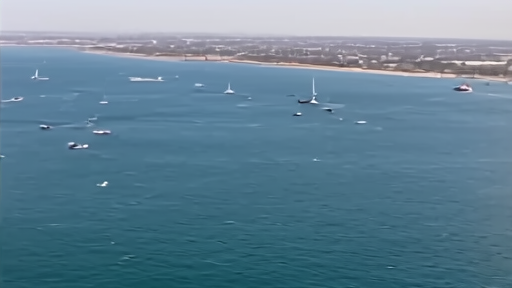
The Iranian military declared a full closure of the Strait of Hormuz at 09:00 local time on June 10, hours after the US Tomahawk barrage struck Bandar Abbas. The declaration turned a de facto disruption — traffic had been declining for weeks under naval posturing — into a de facto blockade of the world's most critical oil chokepoint. [1]
Maritime tracking data showed 4-6 ships in transit through the strait at 14:00 UTC, down from the normal daily average of 80-90 vessels. The surviving traffic consisted primarily of naval escort vessels and a small number of tankers attempting passage under military protection. Insurance premiums for vessels transiting the strait reached $50 million per transit — effectively prohibitive for commercial operators. [2]
The Closure
Iran's military issued a formal notice to mariners at 09:00 local time, declaring the Strait of Hormuz a "restricted military zone" and warning that any vessel entering without authorization from the Iranian Navy would be "engaged with proportionate force." The notice cited "the ongoing American military aggression against Iranian sovereignty" as justification. [3]
The closure built on weeks of escalating restrictions. Since April, Iran had been requiring vessels to submit transit plans 48 hours in advance and had imposed a toll of $2.5 million per passage — a unilateral measure that violated international maritime law but was enforced by IRGC fast-attack craft operating from the Iranian coastline. The June 10 declaration went further, prohibiting all unauthorized transit entirely. [4]
The strait, which connects the Persian Gulf to the Gulf of Oman and ultimately the Indian Ocean, is 33 kilometers wide at its narrowest point, with shipping lanes approximately 3 kilometers wide in each direction. Through this channel passes approximately 20 million barrels of oil per day — roughly 20% of global supply. The economic implications of a full closure are measured not in billions but in trillions. [5]
The Oil Shock
Oil prices reacted immediately. Brent crude, which had already surged to $147 on the US strikes, climbed further to $153 per barrel before settling at $149. West Texas Intermediate followed, reaching $146. Analysts projected that a sustained closure would push prices above $200 within weeks, depending on the duration and the availability of alternative supply routes. [6]
The financial impact extended beyond oil. Natural gas futures spiked 18%, as Gulf states including Qatar — which exports approximately 30 million tons of LNG per year through the strait — faced potential export disruption. Petrochemical and fertilizer prices surged. Global shipping stocks dropped an average of 7%. [7]
The US Strategic Petroleum Reserve, which stands at approximately 380 million barrels, could offset roughly 60 days of full Hormuz closure at current US consumption rates. But the SPR was designed for supply disruptions, not prolonged blockades, and its depletion would create its own political crisis. The Biden administration released 180 million barrels from the SPR in 2022; the current administration has less flexibility and more urgent demands. [8]
The Naval Dimension
The closure was enforced by more than a notice. Iranian naval vessels — including three Kilo-class submarines, several fast-attack craft, and shore-based anti-ship missile batteries — established a picket line across the strait. The IRGC's naval component, which operates separately from the regular Iranian Navy, positioned itself closer to the Iranian coastline, while the regular Navy operated further out. [9]
US naval forces in the region — concentrated around the Hormuz blockade enforcement mission — faced a dilemma. The USS Gridley, which had struck the MV Dhwaj Maritime earlier in the day, was positioned south of the strait. The USS Eisenhower carrier group was in the Arabian Sea. Breaking the Iranian closure would require a sustained naval operation to suppress shore-based defenses — a task that military planners described as "feasible but costly." [10]
The Pentagon's options ranged from a limited operation to clear the shipping lane to a broader campaign to degrade Iranian naval capabilities. The first would be temporary — Iran could re-establish its blockade once US forces withdrew. The second would risk a full-scale naval war in the Persian Gulf, with consequences that extended far beyond oil prices. [11]
For now, the strait is closed. Four to six ships a day transit where eighty did before. The oil price is at $149 and rising. The naval picket is in place. The question is not whether the closure is real — it is — but whether either side can find a way to reverse it without escalating further. [12]
-- CHARLES ASHFORD, London