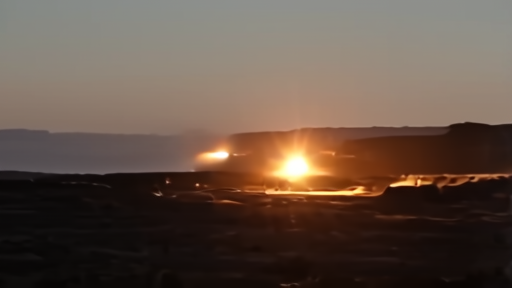
Kuwait's air defense systems engaged seven Iranian Shahab-3 ballistic missiles and armed drones targeting Ali Al-Salem Air Base on June 10, intercepting three before they reached the target. Four missiles penetrated the defenses, striking a motor pool and a logistics building, killing two US Army personnel and wounding nine. [1]
Kuwait's Ministry of Defense described the attack as "an unprecedented violation of Kuwaiti sovereignty" and called on the international community to "take immediate action to prevent further escalation." The statement was notable for its directness — Kuwait, a small state that hosts approximately 13,000 US military personnel, has historically avoided public confrontation with Iran. [2]
The Patriot missile system at Ali Al-Salem, operated by a US Army air defense battery, achieved a 43% interception rate against the incoming Shahab-3s — below the system's advertised effectiveness of 70-90%. Military analysts on X noted that the Patriot's performance has been inconsistent in combat, with a 1991 Gulf War interception rate estimated at 40-50%. The system is most effective against shorter-range missiles and less reliable against the Shahab-3's trajectory. [3]
The strikes damaged two buildings at Ali Al-Salem, including a motor pool containing approximately 20 vehicles and a logistics warehouse. The base remains operational, according to CENTCOM, but flight operations were suspended for approximately six hours while the damage was assessed. [4]
The attack on Ali Al-Salem — a Kuwaiti air base hosting US forces — places Kuwait in an uncomfortable position. The country's treaty obligations require it to permit US military operations from its soil, but it has not authorized offensive operations against Iran. The IRGC's targeting of the base could be read as an attempt to pressure Kuwait into restricting US use of its facilities. [5]