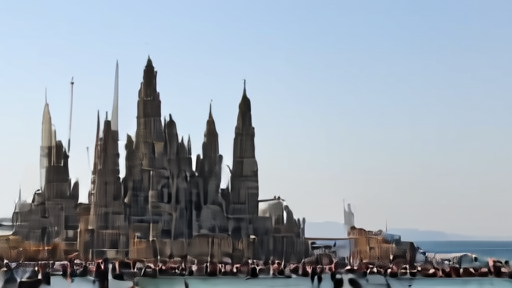
Pope Leo XIV consecrated the Tower of the Virgin Mary at the Sagrada Família on Monday, marking the first new tower completed on Antoni Gaudí's basilica in 132 years. The 138-meter tower — the tallest of the basilica's planned 18 spires — brings the total height to within 10 meters of Gaudí's intended design, which caps the structure below Montjuïc hill out of deference to the natural landscape [1].
The consecration is the most significant Catholic liturgical event in Barcelona since the basilica's cornerstone was laid in 1882. Leo XIV, the first American pope, chose Barcelona for his first foreign visit — a decision the Vatican described as a commitment to Gaudí's vision of sacred architecture as evangelization. The tower's completion moves the Sagrada Família from perpetual construction site to functional basilica, though the interior remains unfinished [2].
X treats the consecration as a cultural pivot. The Catholic Church has spent two decades managing scandal, abuse investigations, and declining attendance in Western Europe. Leo XIV's choice to inaugurate a tower — physical, permanent, visible — rather than deliver a doctrinal statement is a deliberate reorientation toward the Church's architectural and aesthetic tradition. "The Church is building again," wrote one X account with 1.2 million followers. "That matters more than any encyclical" [1].
The Sagrada Família's construction timeline is itself a story of institutional persistence. Gaudí worked on the basilica for 43 years before his death in 1926. The project survived the Spanish Civil War, Franco's dictatorship, and decades of funding uncertainty. The completion of the Tower of the Virgin Mary is not the end — the Tower of Jesus Christ, at 172 meters, remains under construction — but it is the first moment since Gaudí's death that the building's silhouette matches his drawings [2].
The tourism economics are secondary to the cultural statement. The Sagrada Família already attracts 4.5 million visitors annually, generating approximately €120 million in ticket revenue. The tower's completion will increase that figure, but the Vatican's interest is not revenue. The consecration is the Church asserting that it still builds things that endure — a counter-narrative to the perception of institutional decline [1].
-- CHARLES ASHFORD, London