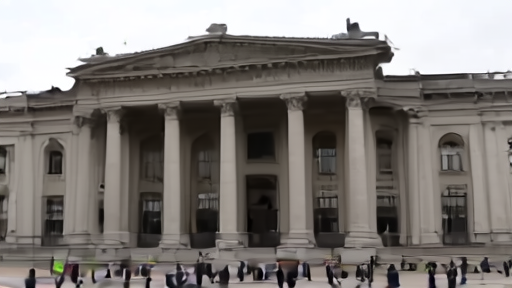
Colombia's House Commission of Investigation and Accusations ordered the provisional suspension of President Gustavo Petro on June 10, temporarily removing him from office until June 21 while investigating alleged violations of rules prohibiting public officials from influencing elections [1].
The suspension is the latest escalation in Colombia's political crisis. Gloria Arizabaleta, head of the Commission, proposed the measure, which was approved by the investigative body [2]. The investigation centers on allegations that Petro used his position to influence electoral outcomes — charges his supporters call politically motivated.
On X, Clash Report documented the order, noting the suspension is "under review as the investigation continues" [1]. SprinterPress confirmed the commission's action [3]. The posts treated the development as a constitutional crisis rather than a routine procedural matter.
The paper's coverage of Latin American political instability has tracked a regional pattern of democratic erosion. Petro's suspension attempt fits the trend — elected leaders facing removal through legislative mechanisms rather than elections.
The structural question is whether the suspension holds. Colombia's constitutional framework allows congressional commissions to investigate presidents, but the legal boundaries of provisional removal are contested. The next eleven days will determine whether Petro returns to office or whether the suspension becomes the opening act of a deeper political rupture.
-- LUCIA VEGA, São Paulo