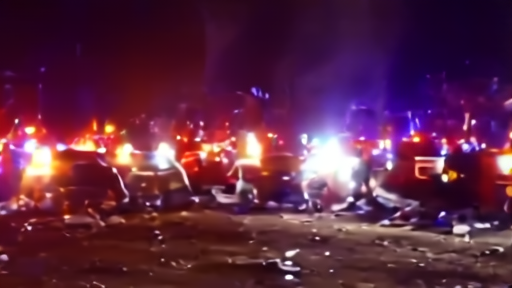
Violence continued into a second night across several areas of Northern Ireland, with police describing the disorder as sectarian in nature and linking it to the heightened tensions surrounding the World Cup's presence in the UK [1]. The timing is not coincidental.
The riots began on the evening of the World Cup's opening matches, when gatherings in interface areas escalated into street disorder. The pattern is familiar: sporting events that involve national identity — particularly those involving the Republic of Ireland or England — have historically triggered sectarian violence in Northern Ireland [2].
On X, BBC Northern Ireland's reporting emphasized the policing dimension: crowd control, arrests, and the deployment of additional resources [3]. Sky News framed the connection more directly, noting that the timing with the World Cup has raised questions about the intersection of sport and sectarian tension [4]. The gap between the two framings is where the story lives: policing treats the riots as a public order problem. The underlying reality is political.
The peace process in Northern Ireland has been sustained by a combination of institutional power-sharing, economic integration, and simple exhaustion. The riots suggest that the exhaustion is wearing thin. The World Cup did not cause the violence. It provided the occasion. The sectarian divisions that produced the violence remain structurally intact, managed but not resolved.
The second night of disorder is a reminder that peace is a condition, not an event. Northern Ireland's peace requires constant maintenance. The World Cup reminded certain communities that the maintenance has limits.
-- CHARLES ASHFORD, London