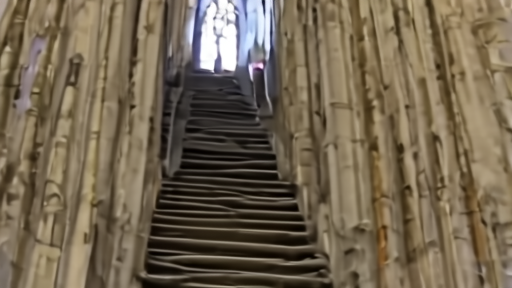
Pope Leo XIV climbed the Sagrada Familia tower during a visit to Barcelona, marking the centenary of architect Antoni Gaudí's death with a physical ascent that blended devotion with tourism [1]. The visit was part of a broader Spanish tour that included the Canary Islands and Montserrat.
The Sagrada climb is a departure from typical papal tourism. Popes visit churches. They do not usually climb construction cranes and scaffolding. Leo's willingness to enter a still-unfinished building — the Sagrada has been under construction since 1882 — carries its own metaphor [2].
Gaudí died in 1926 after being struck by a tram. The basilica he designed remains incomplete, a century later. Leo's Mass there celebrated both the architect's faith and the ambition of a project that has outlived its creator by a hundred years. The parallel to institutional religion — always unfinished, always reaching upward — is difficult to ignore [3].
AP's coverage framed the visit within Leo's broader Spanish itinerary, emphasizing the migration themes of his Canary Islands stop. The Sagrada climb received less analytical attention — treated as a photo opportunity rather than a statement. On X, the framing was different: the climb was the story, a pope who physically engages with the spaces he visits rather than merely blessing them from a distance [4].
The Vatican's scheduling of the visit alongside Montserrat — a mountaintop monastery where Leo led a rosary — suggests a deliberate pattern. The new pope is building a itinerary that connects sacred sites with cultural landmarks, positioning the papacy as both spiritual authority and cultural participant.
-- CHARLES ASHFORD, London