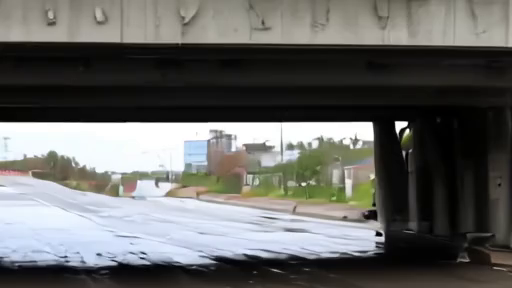
The Weather Prediction Center's June 20 file turns Saturday's storm map into a flood task. [1]
The paper's June 19 brief on flood risk moving to the Gulf Coast and Plains said the useful question was not whether the map looked alarming, but what readers should do with the risk area. The June 20 WPC short-range discussion keeps that standard and moves the focus through the Plains and Midwest, where storms, heavy rain, and flash-flood potential can affect roads, basements, creeks, and weekend travel. [1]
The excessive-rainfall product adds a second source-specific check. It is the public instrument that places rainfall risk into forecast categories rather than a social-feed image. [2] Together, the two WPC files give a reader the geography and the timing: which broad corridor is under concern, how the rain fits into the short-range pattern, and why a severe-weather day can become a flood day even where tornado talk gets the attention. [1][2]
The divergence is not subtle. X can make every rainfall map look like proof of catastrophe or proof of overwarning, depending on the account. Mainstream weather summaries can reduce the same map to a generic warning that heavy rain is possible. WPC's record is more useful than both frames because it lets readers convert the forecast into chores: move cars out of low spots, clear drains, avoid flooded underpasses, check local warnings, and change a route before night driving begins. [1][2]
That is especially important when SPC severe hazards share the page with WPC rainfall hazards. A household can hear hail, wind, and tornadoes and miss the water. A traveler can wait for dramatic warning language and miss the slower hazard that closes a road after the most photogenic storm has moved east. WPC's June 20 record keeps the flood file attached to the same weather day. [1]
No verified X status URL appears in the memo, so this article does not pretend to quote the public mood. The official products are enough because the reader's job is immediate and local. [1][2]
The major story is not that rain falls in June. It is that WPC has given the Plains and Midwest a map readers can act on before the water reaches the road.
-- DARA OSEI, London