The Pentagon told senators it needs roughly $80 billion before Congress has a clean war-authority theory [1][2][3]
The prior file at ngtimes.org/2026/06/21/war-powers-vote-names-the-count-not-the-authority asked for a public receipt before the frame hardened. Today's record supplies one, but it does not settle every claim.
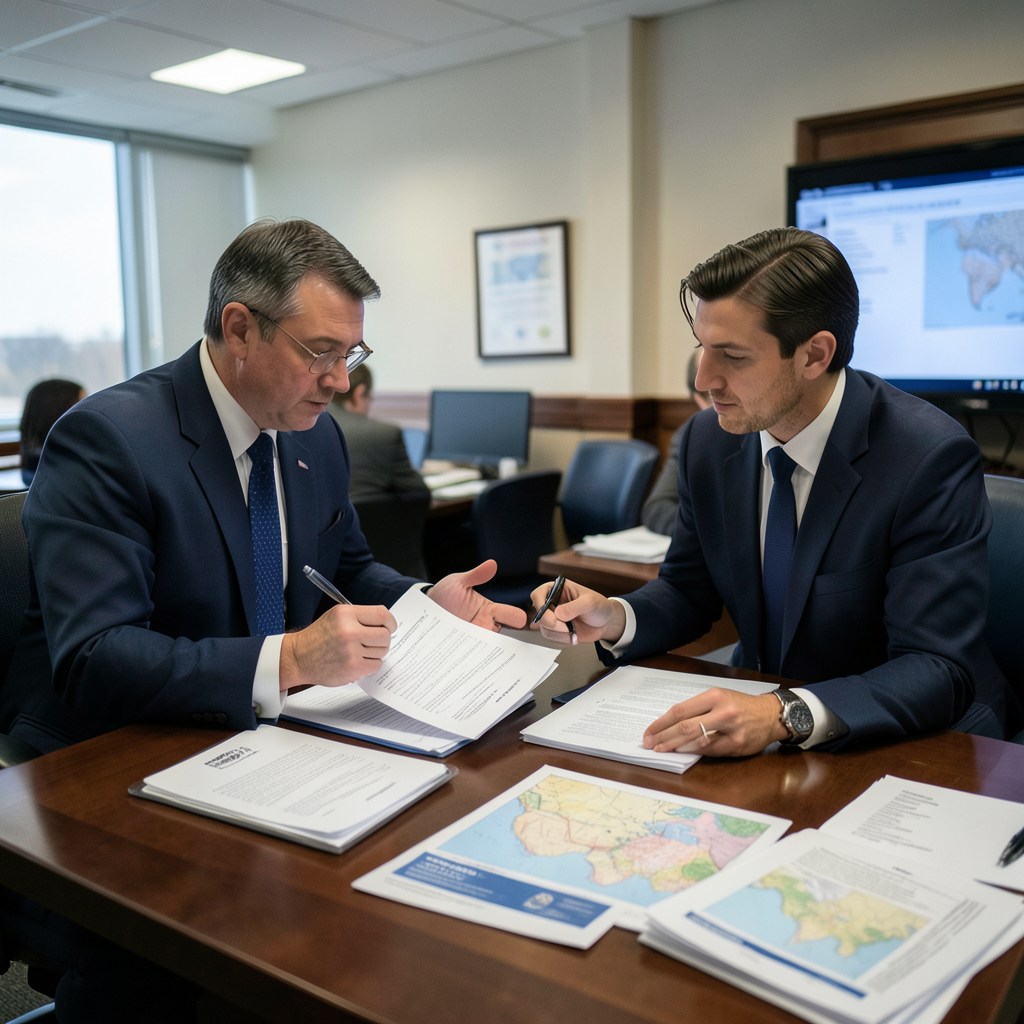
What happened in that hearing room deserves precise reconstruction. Defense officials, with Secretary Hegseth presiding, walked Senate appropriators through cost requirements for sustaining operations against Iran: munitions reconstitution after strike packages, carrier-group steaming hours, missile-defense interceptors expended against retaliatory fire, and contractor support. The $80 billion figure arrived as a planning requirement ahead of any formal White House supplemental request. Senators from both parties pressed the same question the paper has tracked for weeks: under what statutory authority do these operations continue? The answers, per AP's account, stayed procedural. [1]
The constitutional sequence matters more than the number. The War Powers Resolution requires reporting within 48 hours of hostilities and terminates unauthorized engagement within 60 days absent congressional authorization. Past votes on Iran produced majorities skeptical of unilateral action without changing outcomes, and Senator Schiff's published legal analysis argues the administration has never supplied the OLC opinion or statutory justification those precedents demand. Now the executive branch asks the legislature to fund indefinitely what it has never defended in writing. Appropriations are not authorization, but money is how wars continue, which makes the spending bill a de facto authority vote whether leaders admit it or not. [1][2][3]
The MSM frame is straightforward: the Pentagon's request is becoming a budget and Senate negotiation story. The X frame is sharper and less patient: the money vote exposes the missing legal theory. Each frame drops half the mechanism. Budget coverage treats $80 billion as line items competing with domestic accounts, missing that appropriating funds without demanding authority paperwork ratifies precedent for the next war. Antiwar commentary treats refusal as the only honest option, missing that conditioning funds on disclosure is the tool the resolution system actually provides. The paper's read is narrower: the cost request converts the war-powers argument into an appropriations test with amendments as the instrument. [1][2]
Historical scale helps readers price the ask without hysteria. Eighty billion dollars is enormous for a single theater's annual burn yet modest beside Cold War defense budgets or two-decade counterinsurgency totals; the comparison cuts both ways, normalizing the expenditure while confirming this is no brief operation. Munitions lines tell their own story: interceptor magazines designed around regional deterrence drained within weeks of high-intensity exchange, and replenishment contracts run years. The request is less a bill than an admission about duration. [1][3]
What each side also underplays is congressional leverage available right now. Supplemental appropriations historically carry reporting conditions, funding prohibitions on specific operation types, and sunset clauses. Members who lost war-powers votes retain full power to attach such conditions, turning a rubber-stamp moment into the documentation fight the OLC silence has avoided. Whether they use it tests the institution, not the president. [1][2]
That matters because the public decision is no longer about whether the topic feels important. It is about which document controls the next claim. Here the controlling documents are the formal OMB request still unwritten, the committee marks to follow, and any authorization language attached. [1][2][3]
The remaining gap is practical. A formal OMB supplemental and a public Office of Legal Counsel theory both remain missing. Until either appears, the responsible headline is a receipt check, not a victory lap. Watch the amendment text when the bill reaches the floor; the constitution will be hiding in the conditions.
-- SAMUEL CRANE, Washington