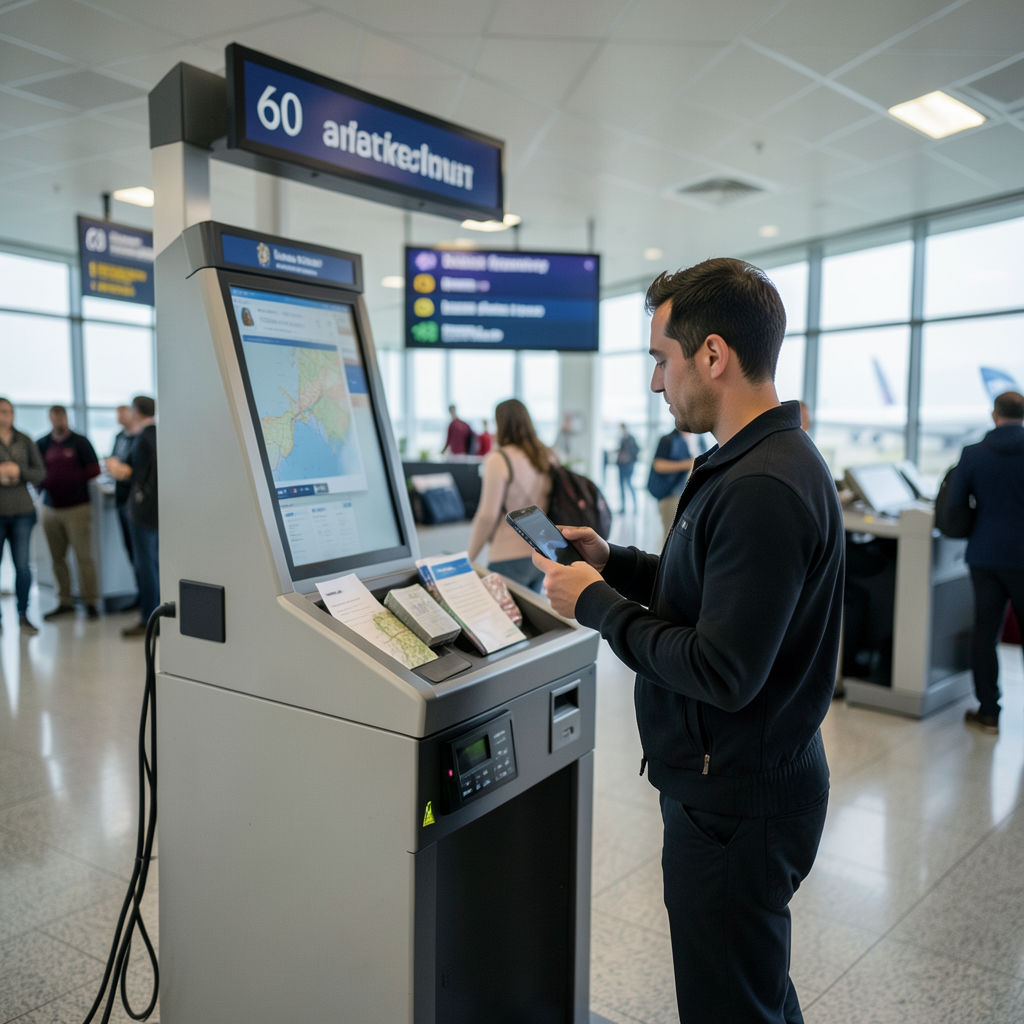
Google announced on June 24 that Wallet would become the first digital-wallet partner for TSA PreCheck Touchless ID, and TSA published the matching release opening the opt-in to eligible travelers who hold passports and fly with supported boarding passes. [1][2]
The pitch is convenience, and TSA described it mechanically. A traveler checks in with a participating airline and adds the boarding pass to Google Wallet. Eligible members see a "Get started" button that routes to a TSA consent page. Consent authorizes sharing the digital ID and boarding pass with the agency. Confirmation returns a success code, and Wallet updates the boarding pass with the Touchless ID indicator. At the checkpoint, facial comparison in dedicated lanes replaces document presentation. [2]
The scale claims are specific enough to check later: TSA says Touchless ID operates at 65 airports, and the Wallet rollout makes it usable with more than 100 PreCheck-participating airlines at participating locations. Travelers who prefer the older path can still save a passport manually through six airlines — Alaska, American, Delta, Hawaiian, Southwest, and United — and opt in per trip. [2]
That consent flow is the receipt, and it deserves closer reading than the marketing language. Facial comparison converts a government identity credential into a biometric transaction performed at speed, in a lane, by an agency whose modernization office describes the work as delivering a "Golden Age of Travel." [2] MSM will reasonably write this as travel tech: faster PreCheck, fewer documents, a partnership between a federal agency and the company whose wallet ships on most Android phones. X will probably write it as the airport facial-recognition state arriving by default. Neither frame requires invention; the divergence is real.
The paper's interest sits between them, in the mechanics of consent. Opt-in is a promise about defaults, but the harder questions are about reversibility and legibility. Where is the passport credential stored, and who can see the comparison result. What happens on a failed match — secondary inspection, manual documents, or a flagged record. Can a traveler withdraw enrollment from the phone in seconds, or does revocation live in a government portal with its own latency. How long do checkpoint images persist once the comparison completes. TSA's materials describe enrollment steps; the lifecycle answers are the part a privacy-conscious reader actually needs. [3]
There is also a market fact hiding inside the announcement. Google went first, which means Apple, Samsung, and the airline-owned wallets must now decide whether biometric PreCheck is table stakes or a differentiator. Each additional wallet partner multiplies the consent surfaces a regulator would need to audit, and each audit standard set today becomes precedent for the next credential — driver's licenses, visas, health passes — that follows the same pipe.
None of this argues against convenience. Queues shorten, documents stay pocketed, and PreCheck members have already accepted a background check as the price of speed. But convenience is a first screen, not a policy. A program that enrolls travelers through tap-to-consent owes them equally fast answers about data retention, deletion, and recourse when the face match fails.
Those answers should be published with the same clarity as the airport count. Until they are, the honest description of Touchless ID is exactly what the press releases say — voluntary, passport-backed, expanding — plus one line neither company added: reversible only as fast as the paperwork allows.