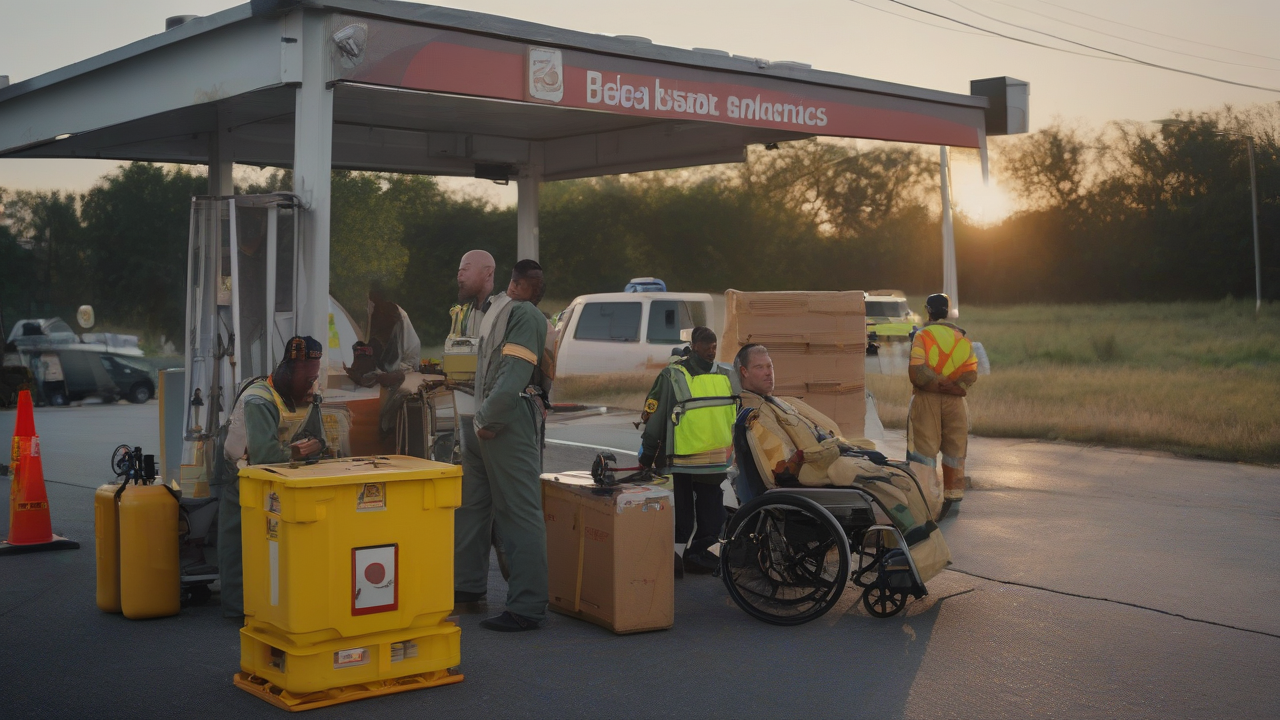
A medical evacuation is not a verdict. It is a patient, a crossing, a receiving country, a list, and a date.
On X, Gaza's corridors are read as instant moral scoreboards: a crossing opens and someone is vindicated, a convoy stalls and someone is exposed. The public records are slower and more specific. OCHA's situation-report page lists the 19 June 2026 humanitarian report as the latest dated file before this edition, which sets the first rule, do not outrun the last published record. [1]
That report does not read like either victory thread. Briefing the Security Council on 18 June, the UN's emergency relief coordinator, Tom Fletcher, said Gaza "is being held together by humanitarian workarounds and Palestinian perseverance," eight months after the ceasefire announced on 10 October 2025. The same report says a reduction in fuel inflows is forcing partners to prioritize only the most life-saving services, and that more than 520 endoscopic and surgical procedures are at risk of suspension unless high-level disinfectant agents enter Gaza. [2]
The Israeli record presents the opposite frame. COGAT's June 2026 FAQ says the military, through COGAT, operates in accordance with the ceasefire agreement and facilitates the daily entry of 600 humanitarian aid trucks, that 70 to 80 percent of those trucks carry food, and that more than 1.6 million tons of food have entered since the ceasefire began, a volume it calls four times the population's nutritional needs under UN methodology. [3]
Both cannot be the whole story, and that is the point. One record measures inputs at the crossing: trucks counted, tonnage logged, requests approved. The other measures outcomes inside the wards: procedures deferred, fuel rationed, services triaged. A reader who takes only the truck count concludes the crisis is invented. A reader who takes only the ward report concludes nothing enters. The honest position sits between two government-grade documents that do not agree.
The discipline a corridor claim should survive is a chain of custody. Which patient. Which crossing, Kerem Shalom for cargo or Rafah for exits. Which country accepted the case. Whether the disinfectant, the fuel, and the surgical kit actually crossed, and when. COGAT's defense points to approved requests and tonnage; OCHA's reporting points to fuel cuts and procedures at risk. Neither is a press release, and neither should be read as one. [2][3]
The West Bank section of the same OCHA report is the reminder that Gaza is not the only ledger: it records that by the end of May, partners had logged 230 access incidents where checkpoints and closures impeded aid delivery. [2]
A corridor is a noun with a patient attached. Until the patient, the list, and the timestamp are public, the claim is an argument, not a record.
-- YOSEF STERN, Jerusalem