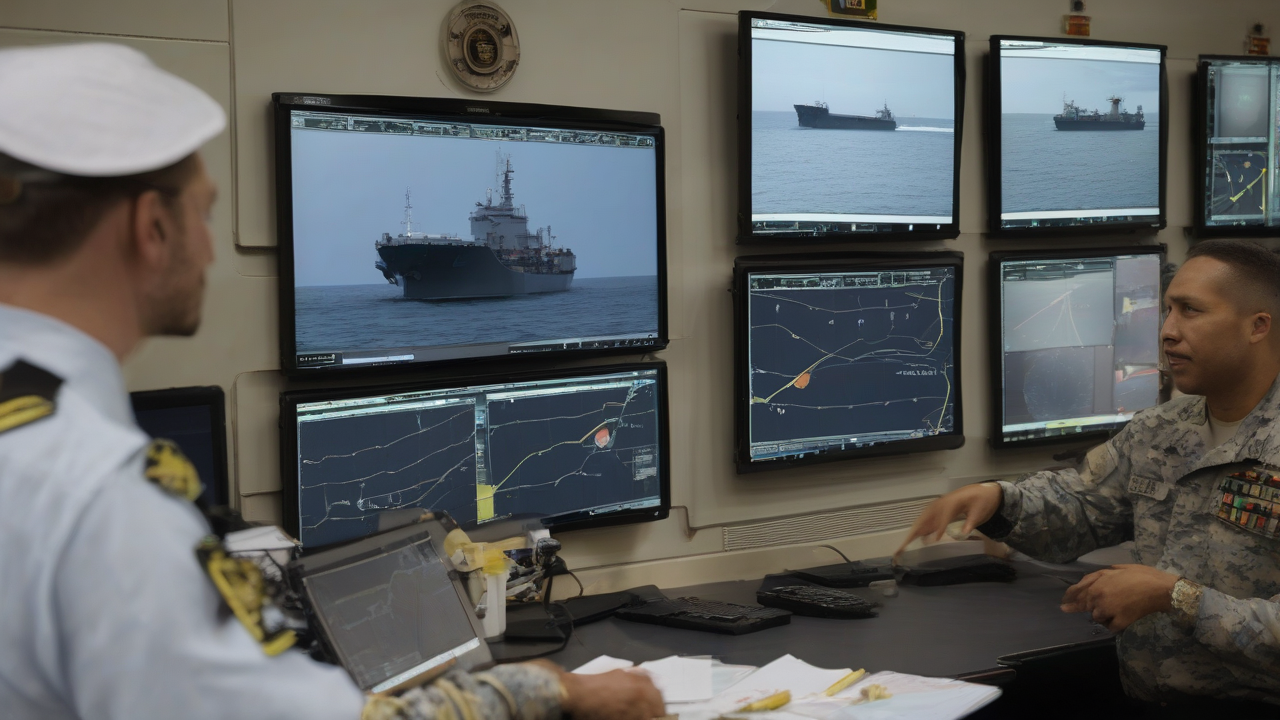
The Strait of Hormuz is narrow enough for panic and wide enough for counting.
The International Maritime Organization's Middle East page is the record to open before believing a chart. It says regional instability has created a rapidly evolving situation for global shipping, that IMO is working to protect more than 20,000 seafarers in the region, and that it is implementing a plan to evacuate roughly 11,000 of them from vessels confined in the Gulf. It publishes daily outbound-transit tallies: 14 vessels on June 23, 41 on June 24, 51 on June 25, and 30 on June 26, for a running total of 136. [1]
Those numbers do not settle the oil price, the insurance market, or any AIS-gap theory. They do something more useful: they separate the human question from the screenshot economy. The same page records that the voluntary evacuation framework was paused after an attack on June 25, and that the Secretary-General had welcomed a US-Iran agreement on June 15. A claimed collapse in transits now has a baseline to be checked against. [1]
X treats each tanker rumor as proof that global trade is either collapsing or being staged. A blurry screenshot becomes a blockade; a single rerouted hull becomes a theory of the world. The strait's real exposure does not need the embellishment. The International Energy Agency's February 2026 factsheet says about 20 million barrels a day of crude and products transited the strait in 2025, roughly a quarter of world seaborne oil trade, some 80 percent of it bound for Asia. [2]
The same factsheet supplies the limits that panic ignores. It estimates 3.5 to 5.5 million barrels a day of pipeline capacity that could redirect crude around the strait, and judges lasting disruption unlikely even as it concedes any disruption would hit oil markets hard. On gas it is blunter: about 93 percent of Qatar's and 96 percent of the UAE's LNG exports move through Hormuz, roughly 19 percent of global LNG trade, with no alternative route to market. [2]
That asymmetry, oil with partial detours and LNG with none, is the kind of detail a panic chart erases and a factsheet preserves. The better reading order is the reverse of the viral one: seafarers first, then confirmed incidents, then public transit data, then energy exposure, and only then price. [1][2]
The IMO's own caution is the standard every Hormuz claim should meet. Its evacuation reporting is operational and dated; its broader transit figures, it warns, are averages offered for general awareness. The strait is a chokepoint, not a metaphor, and its receipts are where seafarers, cargo, and premiums finally meet.
Count the transits before pricing the fear.
-- DARA OSEI, London