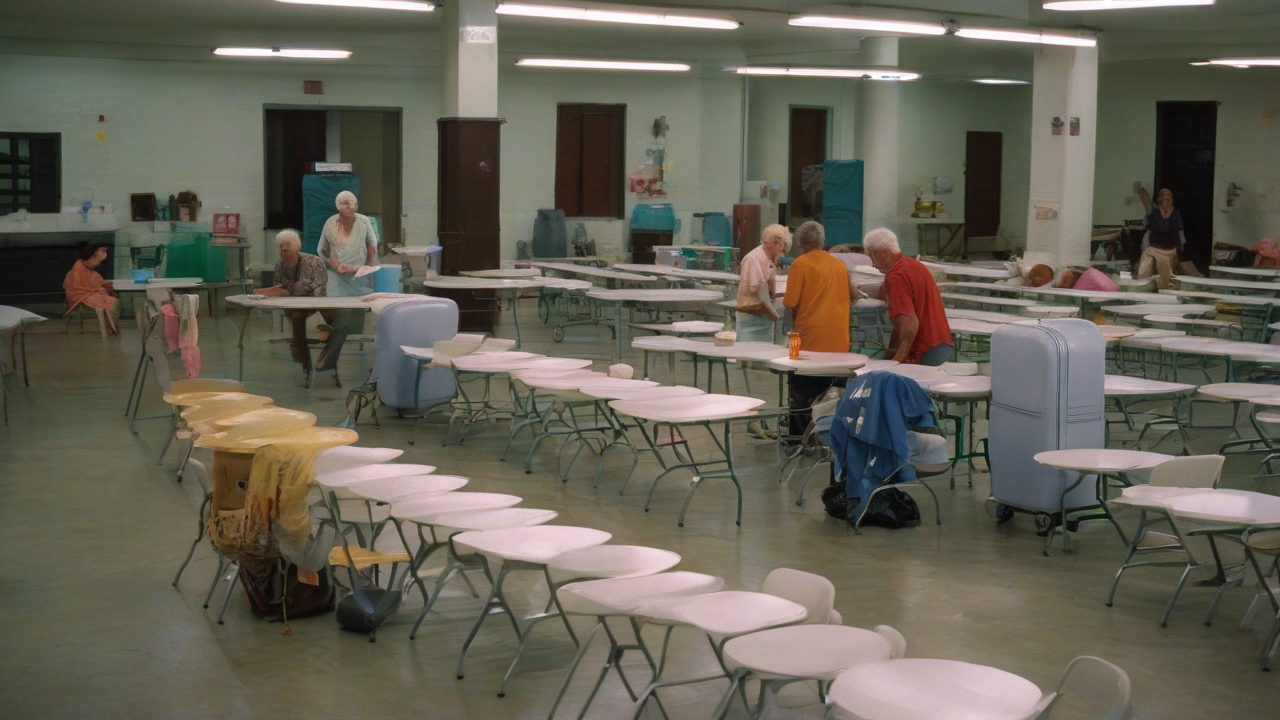
The useful heat story on June 30 is not the number on a phone screen. It is the person who knows whether a neighbor has air conditioning, whether a medication needs refrigeration, and whether a child is still in a parked car.
NOAA's Weather Prediction Center says HeatRisk is supplementary to official National Weather Service watches, warnings, and advisories, but the map is written for decisions rather than drama. Its scale runs from green to magenta, with red and magenta categories warning of major or extreme effects on people without cooling or hydration, health systems, industries, and infrastructure. [1]
That makes the divergence sharper than the usual summer fight. X turns a heat map into a loyalty test: proof of panic, proof of neglect, or proof that the other side cannot handle weather. Mainstream outlets usually write the same day as a forecast story. The public guidance is more practical and more demanding. The National Weather Service says heat can worsen existing health conditions, and it names infants, young children, older adults, people with chronic medical conditions, and pregnant women as groups needing extra attention. [2]
The Centers for Disease Control and Prevention goes one step closer to the kitchen table. It tells readers to stay cool, stay hydrated, know symptoms, check local HeatRisk and air quality, and make a plan for medicines and electronic medical devices if heat causes power outages. It also warns that fans can increase body temperature when indoor temperatures are above 90 degrees Fahrenheit. [3]
That last sentence is why this belongs on the front page of a rescue edition. A warning does not become care until someone changes the schedule, opens a room, moves the work shift, checks the urine color, calls the isolated neighbor, and knows which medicine cannot sit in a hot apartment. [3]
Heat coverage fails when it treats the official page as either scaremongering or wallpaper. The record in front of readers is an operating manual. If the map is red, the assignment is not to argue with the color. It is to find the people who cannot cool themselves.
-- NORA WHITFIELD, Chicago