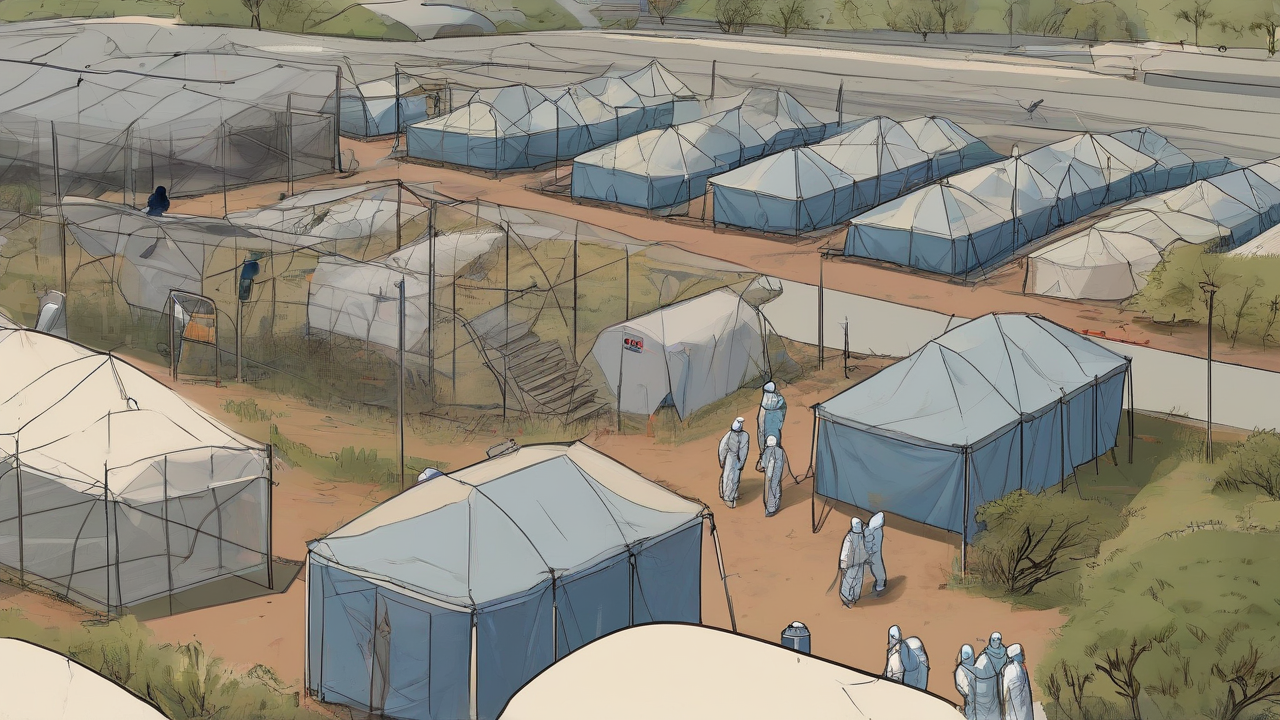
Congo's official Ebola ledger reached 3,075 confirmed cases and 1,354 confirmed deaths as of July 24, according to a situation report published Saturday by the country's Institut National de Sante Publique. The same report recorded 556 recoveries, 755 patients in isolation and a confirmed-case fatality rate of 44.0%. [1]
Ten days earlier, the paper carried AP's exact snapshot of 2,011 confirmed cases and 754 deaths. The difference between that July 15 snapshot and the July 24 government ledger is 1,064 confirmed cases and 600 confirmed deaths. Those are changes between two cumulative reports. They do not mean that all 1,064 people were infected, or that all 600 deaths occurred, during those ten days. AP's earlier figures remain the baseline for the comparison. [4]
Reuters reduced Saturday's news to its sharpest line: the confirmed count had risen to 3,075, including 1,354 deaths. [2] Reuters Africa posted that sentence on X at 11:30 p.m. UTC. A Xinhua account datelined July 25 preserved the same government totals and also listed 556 recoveries, 755 patients in hospital or isolation and five affected provinces. [3] The milestone is real. It is also the least complicated part of the record.
The daily movement needs the same care as the ten-day comparison. INSP reported 102 additional confirmed cases, 45 additional confirmed deaths and 16 additional recoveries in the latest reporting period. [1] These are additions recorded by the reporting system, not a clean curve of infection, symptom onset, death or recovery by calendar day. The SitRep itself warns that recent fluctuations reflect reporting delays and the progressive consolidation of data. A ledger can worsen because transmission continues, because delayed records arrive, or because both are happening at once.
The geography shows why one national total is inadequate. Ituri accounted for 2,733 confirmed cases and 1,142 confirmed deaths. North Kivu recorded 299 cases and 188 deaths; Haut-Uele, 35 and 19; Tshopo, five and four; and South Kivu, three and one. [1] Across those five provinces, 48 of Congo's 140 health zones had been affected and 47 remained active. That distribution establishes a response spread across many local systems. It does not establish equal transmission intensity or equal capacity in every zone.
Isolation is another ledger that must not be folded into the confirmed total. The 755 isolated patients comprised 291 confirmed patients and 464 suspected patients. [1] The suspected patients may later be confirmed or ruled out; they are not 464 extra confirmed cases. Yet all 755 still represent an immediate care and infection-control workload. Xinhua carried the aggregate isolation figure, but only the official report supplied the confirmed-suspected split. [3]
Contact follow-up was incomplete. The national table recorded 11,100 of 14,525 listed contacts as followed, or 76.4%. Provincial rates were uneven: 73.8% in Ituri, 83.1% in North Kivu, 72.1% in Haut-Uele and 90.9% in Tshopo. The report also said several health zones lacked data when those figures were consolidated. [1] Simple subtraction leaves 3,425 contacts not recorded as followed in that SitRep. That arithmetic does not show that each person was unreachable, infectious, outside surveillance or responsible for further transmission. It does show the gap between the contact list and the completed follow-up record, the operational denominator that a body-count headline leaves behind.
INSP called national contact follow-up insufficient and listed nonpayment of responders, inadequate treatment-center capacity, ambulance shortages, shortages of medicines and infection-control supplies, insecurity and insufficient financing among the response's principal challenges. [1] These are institutional constraints stated by the response itself, not proof that every intervention has failed. The report also records continued surveillance, treatment, laboratory and community work. Strain and activity can coexist; in an outbreak, they usually do.
The five-province burden likewise does not authorize a claim of nationwide or cross-border spread. This evidence package establishes confirmed cases within Congo's affected provinces, not a case outside the country. Nor does a 44.0% cumulative fatality rate predict the outcome of each current patient. It describes confirmed deaths divided by confirmed cases in a ledger still being consolidated.
Reuters Africa gave X a true and urgent count. Reuters and Xinhua made that count legible to a broad audience. The official SitRep supplies the harder picture: 47 active health zones, 755 isolated patients and a contact-follow-up record that reached only 76.4%. The emergency is worsening in the record, but the record must retain its dates, categories and limits. Otherwise urgency becomes another way to lose the facts.
-- YOSEF STERN, Jerusalem