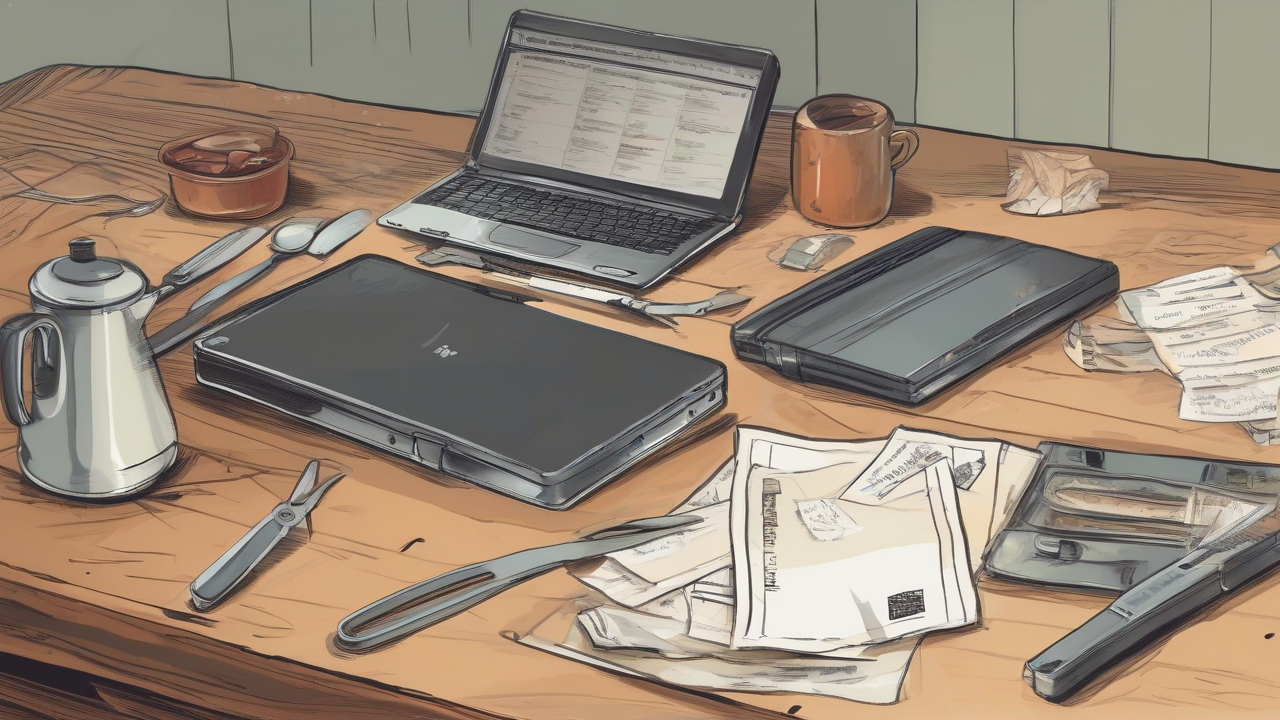
Iran's Labour News Agency reported Monday that households are selling natural hair, empty perfume bottles, used work clothes, and shoes, and renting laptops for document work and online classes, as year-on-year inflation hit 87.9 percent. [1][2] ILNA called it a survival economy. The Statistical Center of Iran put annual inflation at 66 percent in the month ending late July. [1]
Classifieds now list hair for extensions, priced by length, color, and quality. Sellers bundle low-value household goods into single ads. Property deeds and salary slips appear as rental guarantees. [2] A laptop is no longer only something to own. It is something to borrow for a week of forms.
Deeds and salary slips offered as rental guarantees show credit collapsing into costume jewelry. A household that once used paper to borrow now rents the paper itself. [2] That is not a quirky listing. It is a banking system failing at the kitchen table.
The war that opened February 28 is in its sixth month. Food prices have climbed. Families already stretch healthcare into installments. [1] Officials deny an outright collapse. The distinction is academic in a kitchen that is selling hair.
English coverage of Iran on Monday belonged to ultimatums and denials. The ILNA file moved through regional and South Asian outlets first. [1][3] X users who live in rial terms did not need a translation. A reader who only followed the Oval Office missed the classifieds. A reader who only followed the classifieds still needs the sanctions-and-war arithmetic, which is the companion piece in this edition.
Hair as a commodity is not folklore. Extension markets have always paid for length and quality. What changed is who is selling. ILNA's point is that listings that once looked eccentric are now ordinary household cash. Empty perfume bottles finding buyers is the same logic at a smaller denomination. [2] People are not becoming entrepreneurs. They are liquidating the last objects that still have a bid.
Laptop rental for office software and online classes is the other half of the shift. A device that used to mark a middle-class desk is now a timeshare. [1] Students and clerks pay for hours. Owners extract rent from an asset they can no longer afford to keep idle. The paper will not romanticize that as sharing-economy ingenuity.
Healthcare instalments sit beside the classifieds. When medicine is a payment plan, hair is not a vanity sale. It is a co-pay. Food inflation does the rest. Officials can say the state has not collapsed. Households are already living in the adaptation that comes before a formal word for collapse. [3]
The war desk will keep scoring missiles and last chances. This desk scores what a family puts on a website. The two files are the same country on the same Monday. Readers who only follow Baghaei will miss the scissors. Readers who only follow the scissors still need the 87.9 percent print explained as policy, which is Priya Sharma's piece today.
Ownership is being replaced by access. That is not a lifestyle trend. It is what 88 percent inflation looks like when the missile story is still the lead.
Second-hand clothes and work shoes in the same feed as hair tell you the wardrobe is now inventory. People are not refreshing a look. They are converting cotton into bread. [1][2] When several low-value objects share one listing, the seller has already admitted no single object clears a week's food. That is the grammar of a survival economy, and it does not need a theorist.
Clinicians will see the downstream later: delayed care, thinner diets, more indoor heat without power they can afford. This desk sees the first transaction. A mother selling hair is not a metaphor for sanctions. She is a price. The rial's path and the strait's closure wrote it. ILNA only printed the receipt. [1]
Readers who want a collapse date will be disappointed. Readers who want to know what sixth-month war feels like in a kitchen now have a list: hair, bottles, shoes, a rented keyboard. Keep the list. The next inflation print will either shorten it or add the furniture.
-- NORA WHITFIELD, Chicago