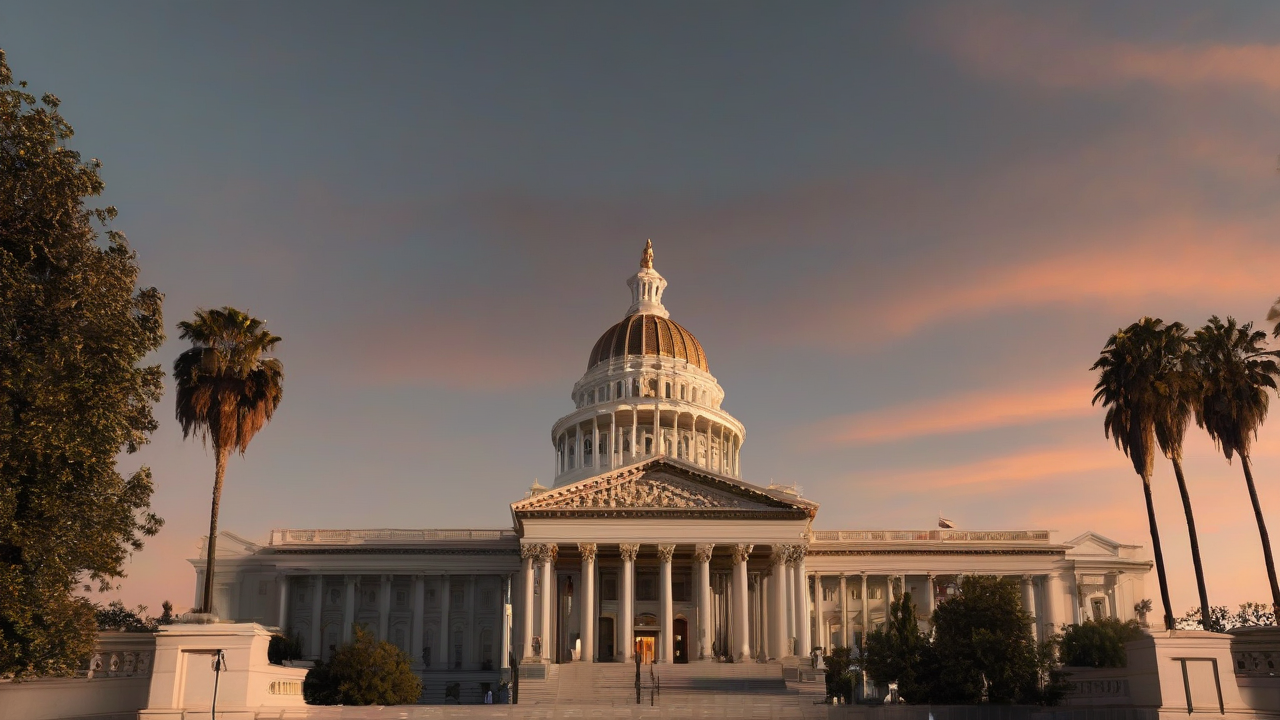
Companies with a stake in California's data-center boom spent millions of dollars lobbying Sacramento in the first six months of 2026, according to a CalMatters analysis of state filings, as seven bills that would regulate the facilities move toward final votes this week. [1] The spending is concentrated, dollar for dollar, at the top: utility giant Pacific Gas & Electric posted its second-highest lobbying quarter since 1999 — behind only 2018, the year of the wildfire later linked to its own equipment. [1]
The fight is happening because public opinion moved first. A May Gallup poll found seven in ten Americans oppose data-center construction in their own communities, and a Public Policy Institute of California poll in July found similar opposition statewide. [1] Hundreds of California cities have considered or passed project bans this year; voters in Monterey Park permanently banned data centers by ballot measure, and Pittsburg reversed prior approvals after public outcry. [1] "The level of awareness is through the roof, and the level of concern and sensitivity is through the roof — it's bipartisan, it's national, and it's across the board," state Sen. Steve Padilla, a Chula Vista Democrat who authored two of the pending bills, told CalMatters. [1]
Big Tech's response has been to spend, not to negotiate publicly. Amazon paid more than $500,000 in the first half of the year to lobby on 33 pieces of legislation, including several data-center bills, after spending more than $1.7 million in California last year. [1] Anthropic — which sent its first Sacramento lobbyists only last year — has spent nearly $90,000 on state influence so far in 2026 and, per the Financial Times, has nearly tripled its federal lobbying spend over the same period; the company told CalMatters it does not support or oppose any specific bill, and is separately interested in working with lawmakers "on AI safety and other relevant issues." [1] PG&E's own spokesperson said less than 5 percent of its $2.86 million second-quarter lobbying spend — about $143,000 — targeted data-center issues specifically, describing the rest as engagement on a "broad scope" of industry matters. [1]
The heaviest lifting, though, is being done by proxies. Filings show Google, OpenAI, Meta and Microsoft are not lobbying California lawmakers directly on data centers this session. Instead, trade groups carry that weight: the Silicon Valley Leadership Group, which represents Apple and Amazon among others, has spent over $100,000 so far and is on pace for its highest annual lobbying total since it began tracking in 2005; the Data Center Coalition, whose members include Google, Microsoft and OpenAI, has logged its second- and third-highest spending quarters ever, directing roughly $60,000 toward opposing nearly every bill on the table. [1] "The groups that have been the strongest opponents of the bills this year include the proxies for the data centers and the tech companies," said Matthew Freedman, senior staff attorney for consumer group The Utility Reform Network. "They serve as a mouthpiece for the tech industry." [1]
Silicon Valley Leadership Group CEO Ahmad Thomas cast the opposition differently, telling CalMatters the industry is responding to "strong anti-AI sentiment" and trying to "ground the conversation in reality" about how much everyday services depend on data-center infrastructure. [1] That framing — public backlash as irrational anti-AI panic rather than a response to specific, quantifiable costs — is the industry's central argument as the bills near votes. It also elides what the seven bills actually target: three measures (SB 1168, SB 886, AB 2383) would shift the cost of new electric infrastructure away from residential ratepayers and onto the data centers that require it; two that cleared the Legislature Thursday (AB 1577, AB 2619) plus a third pending bill (AB 2469) would mandate water- and resource-use disclosures; and SB 887 would require environmental review for new projects, with fast-tracked approval for facilities meeting conservation standards. [1] Under the current regulatory framework, Freedman noted, the cost of expanding transmission lines to serve new data centers is spread across all ratepayers — which is precisely the arrangement these bills would unwind. [1]
Britt Smith, part of a community group fighting a $2 billion Amazon data-center project in Gilroy, rejected the industry's framing outright. "Our future, our safety, is not for sale," she told CalMatters, arguing that corporate opponents are "spending so much because there's so much at stake." [1]
That stake is measured against last year's result, which the industry has reason to hope repeats. In 2025, four similar bills died or were diluted after lobbying, and the only measure Gov. Gavin Newsom signed was stripped down to a single requirement that state regulators study data centers' electricity demand; he vetoed a separate water-disclosure bill, citing concern that regulation could stifle AI growth. [1] Whether 2026's heavier lobbying spend buys the same outcome will be clear by Monday, when this week's Legislature votes determine which bills reach Newsom's desk before the session ends in September — and, advocates and lawmakers told CalMatters, will be watched nationally as a signal for how the same fight plays out in every other state now hosting the AI buildout. [1] Assemblymember Diane Papan, a San Mateo Democrat who authored two of the bills, said the volume of public opposition has already changed the calculus regardless of the final vote count. "We are in a totally different environment this year," she said. [1]
-- THEO KAPLAN, San Francisco