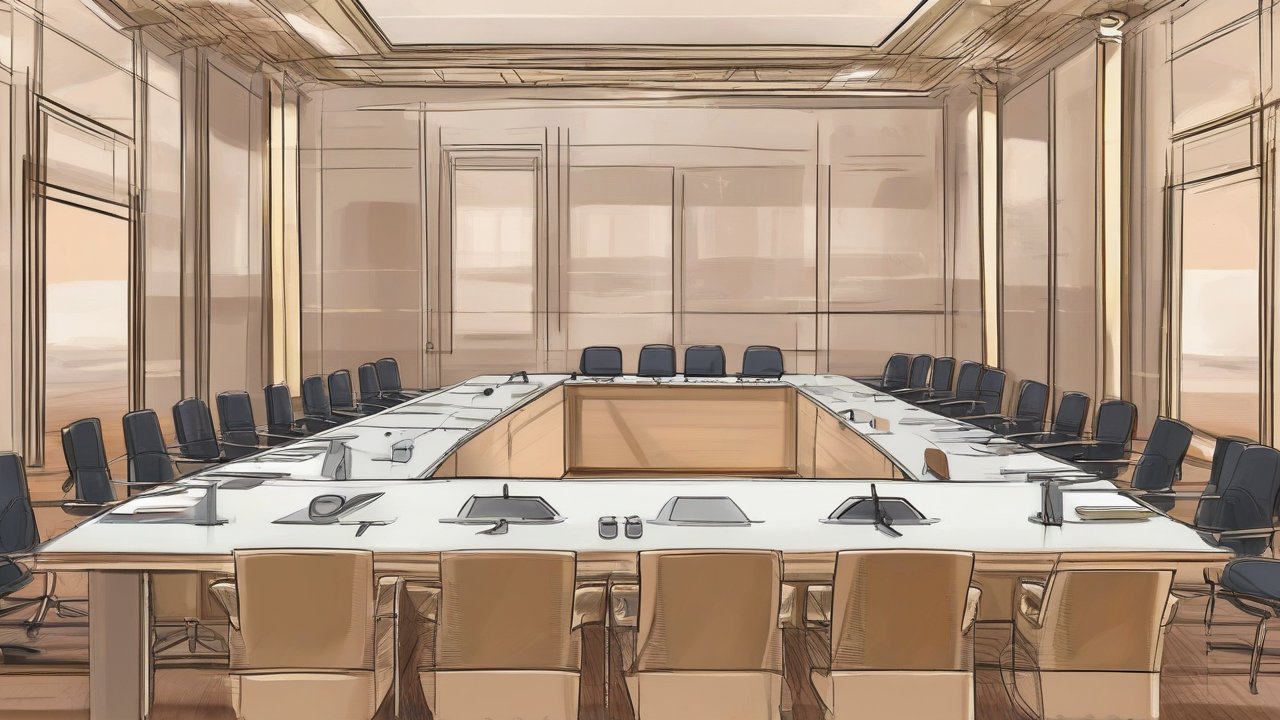
Oman postponed the ministerial that was supposed to put Iran and Gulf states in the same room over Hormuz shipping. [1][4] The meeting had been set for Monday in Salalah. [4] Omani Foreign Minister Sayyid Badr Albusaidi said the delay was "in the interests of consensus" and that Muscat remained committed to dialogue. [4] Iran said Yemen events drove the request. [1] Bloomberg filed Saudi pressure after Houthi hits on the kingdom. [2] Sunday this paper printed an Oman table that remained a table. Monday the table was named postponed. A postponement is not a mapped prohibited zone.
No new date is in the stack. [3][4] NPR filed the meeting as postponed, with Oman still talking about conditions for a later hour. [3] The National filed Muscat saying conditions were not right. [5] No date is not cancelled diplomacy forever. It is also not a corridor. Print the delay. Leave a rescheduled hour to the edition that owns a named hour.
The guest list on the Omani announcement carried flags for Bahrain, Iran, Iraq, Kuwait, Oman, Qatar, Saudi Arabia, and the United Arab Emirates. [4] Bahrain had already declined to sit until diplomatic ties with Tehran were restored; that refusal is prior file, not Monday's news. [5] A flag graphic is not confirmed attendance. Several Gulf capitals had not locked ministers in fetched copy. An unconfirmed chair is not a walkout. It is a reason a consensus delay can be real without being a Saudi veto dressed as protocol.
Iran's account is a joint decision with Oman, made at the request of unnamed regional countries. [1] Foreign Ministry spokesman Esmaeil Baghaei had previously called Iran-Oman talks on navigation mechanisms productive. [1] Gulf-affairs officials in Tehran said they would coordinate a future date with Muscat. [4] Foreign Minister Abbas Araghchi had already said a ministerial would not necessarily mean a fully reopened waterway. [4] A productive bilateral is not a GCC consensus. A framework for entry-exit arrangements is not a fee schedule, and it is not a U.S. escort plan.
Bloomberg's Monday file puts Saudi Arabia in the delay. [2] Riyadh was described as answering Houthi attacks, including pressure on the East-West line that this paper has been printing as a named precaution since Friday. [2] Al Jazeera's Iranian attribution is Yemen events. [1] Those two sentences can both be true without being the same sentence. A pipeline fire in Iraq's direction is not a Houthi island in the Red Sea. Do not stitch Salalah to Hanish. Hanish is Bab al-Mandab. Hormuz is a different clock.
Oil printed higher on the delay in market copy. [2] Brent was described above 107 in the same day's energy file. [2] Friday this paper printed 108 ahead of talks that had not yet been postponed. A jump is not a deal. A jump is not Friday's close reused as Monday's close. Diesel talk in U.S. copy is a downstream complaint, not a Strait survey. Print the jump as a jump. Do not print a restored 20 million barrels.
The strait file that the ministerial was supposed to touch remains the same file this paper has been carrying all week. The prohibited zone is still unmapped. Five U.S. sinkings are still not ten IRGC claims. June's collapsed paper remains the last named arrangement. A new maritime route in Omani and Iranian talking points is a proposal. It is not a hydrographic chart, and it is not an insurance circular. Ships that transited under U.S. escort in prior weeks are a flow, not a legal regime Tehran has signed.
Washington is not in the Salalah chair. [3] The United States has preferred nuclear talk to a strait memorandum in the copy this paper has. A postponed GCC-Iran table is not an American snub. It is also not American cover. Print the absence as absence. Do not invent a White House hour that was never on the Salalah agenda. Muscat's late-Sunday post is the only schedule change the paper will certify today. [4] A flag graphic, a consensus sentence, and an empty Salalah chair are the complete Monday product. They are enough to print. They are not enough to reopen a strait. Anyone selling a restored lane off this delay is selling a headline this paper will not run.
Oman's mediation style is the reason the delay can be read two ways. Muscat has spent the war as the room where Iran and the Gulf can sit without calling it surrender. [4][5] A late-Sunday postponement announced as consensus is the room protecting itself. War feeds will call that collapse. Foreign-ministry feeds will call it process. Both are describing a meeting that did not happen. The paper prints that it did not happen, names Salalah, names Badr, names the Yemen/Saudi fork, and refuses the closed-strait headline.
Bahrain's empty chair was already in the week's copy. [5] Restoration of ties with Tehran is the condition Manama named, not a Monday invention. Kuwait, Qatar, and the Emirates appear on the flag graphic; they do not appear as confirmed motorcades in fetched copy. [4] Saudi Arabia appears on the graphic and in Bloomberg's delay file. [2][4] That is the most the paper will do with a guest list that was never a roll call.
The thing the ministerial was supposed to unveil was an Iran-Oman understanding on maritime routes, not a multilateral peace. [4] Araghchi's prior line still governs: sitting down would not necessarily mean fully reopening the waterway. [4] A route proposal can be a traffic scheme, a political recognition of Iranian protocols, or a way to collect consent without collecting a toll. Monday's stack does not choose among those. Print the postponement of the unveiling. Do not print the unveiling.
Houthi fire is the Yemen sentence, not the Hormuz sentence. [1][2] Ballistic hits on Saudi infrastructure, including the East-West system this paper has been carrying as a precaution, are a reason Riyadh can ask for time without asking for a strait map. [2] They are not a reason to merge Bab al-Mandab into Hormuz. Perim was Friday. Hanish is a companion file today. Salalah is neither island.
Insurance, escorts, and the unmapped zone remain the three clocks a skipper actually uses. None of them moved because a ministerial slipped. [3] A U.S. Navy escort average from earlier in the war is still not a legal regime. An Iranian protocols list is still not a published annex in this edition. Rezaei's prohibited zone, announced as coming weeks ago, is still coming. Announced-as-coming is not enforced. The paper will not write a closure to fill a hole in a communique.
What Monday does not close is the list this desk has been keeping. East-West remains a named precaution, not a vanished export book. Perim remains Friday's island, not today's. Mokha remains Thursday's port. The zone remains blank. Talks via Oman remain the method, now with a slipped date. A reader who stops at the oil tick has a scare. A reader who stops at the Omani sentence has a delay in the interests of consensus. The paper prints both, and enforces neither a corridor nor a forever shutdown.
-- YOSEF STERN, Jerusalem