TL;DR
Kimi Antonelli won the Chinese GP at 19, ignored a team order from George Russell to do it, and arrives in Japan this weekend with Mercedes' internal politics threatening to overshadow the racing.
MSM Perspective
Motorsport.com reports David Coulthard has warned Russell to 'reassert his status' at Suzuka, while The Race describes the Chinese GP win as the moment Antonelli stopped being a prospect.
X Perspective
F1 Twitter is comparing Antonelli to a young Verstappen and debating whether Russell's Mercedes seat is safe — 62% of a GPFans poll says the teenager can win the title.
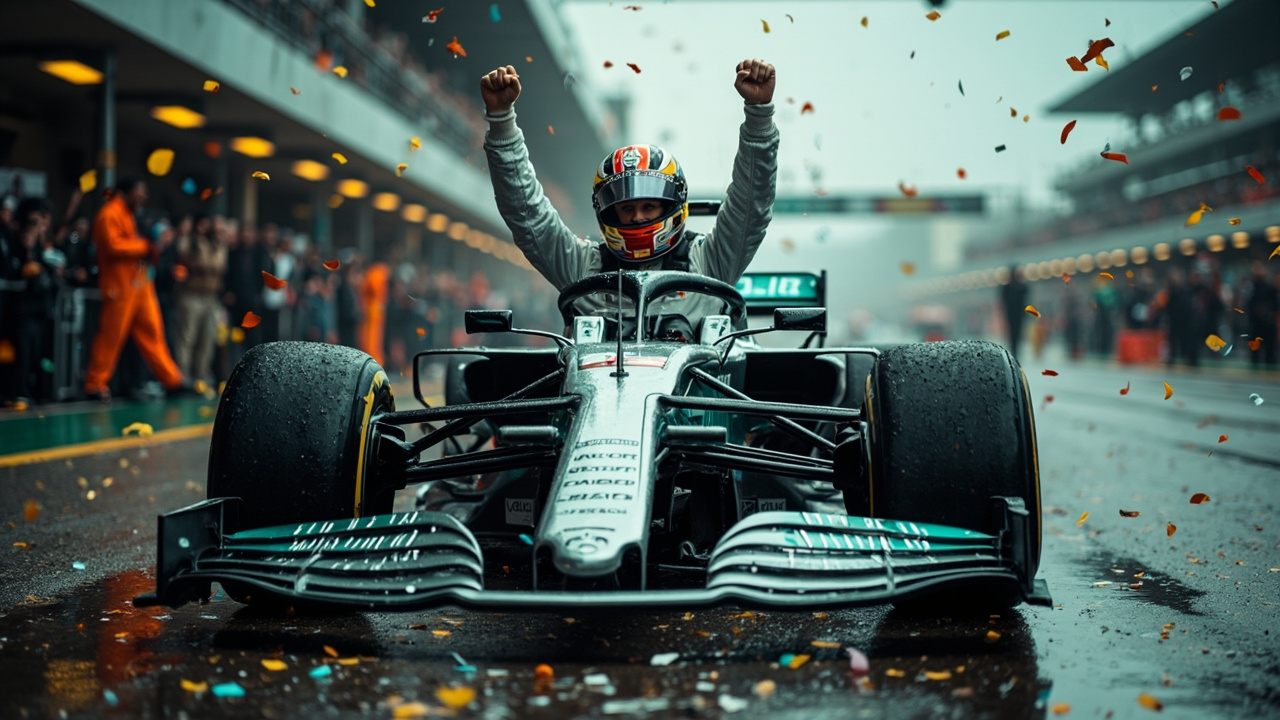
Kimi Antonelli is nineteen years old, has started three Formula 1 races, and has already won one of them — by ignoring a team order from his more experienced teammate. The Italian teenager took the checkered flag at the Chinese Grand Prix on March 15, leading a Mercedes one-two from pole position, and in doing so became the second-youngest race winner in F1 history. [1]
The victory was composed. The politics around it were not. George Russell, Antonelli's teammate and the established Mercedes number one, had communicated through team radio that he expected Antonelli to yield position during a critical phase of the race. Antonelli did not. He defended his lead, repassed Lewis Hamilton's Ferrari after a pit-stop shuffle, and won by 3.4 seconds. David Coulthard, the former F1 driver turned commentator, has since described the moment as the point where the internal Mercedes dynamic changed permanently. [2]
"That was not a rookie drive," Coulthard told GPFans. "That was a driver who has decided he belongs at the front. George now has to reassert himself, or the narrative moves past him." [2]
The narrative is already moving. With four points separating Russell and Antonelli in the championship standings after three rounds, Mercedes faces a situation it has not confronted since the Hamilton-Rosberg wars of 2014-2016: two drivers capable of winning, neither willing to defer, and a team principal in Toto Wolff who must decide how long he lets them race before the competition damages the car.
Antonelli himself has been diplomatically vague. Asked after Shanghai whether he would "avoid" conflict with Russell, he told reporters: "I definitely want to avoid contact. But I want to win races. Both things can be true." The answer was polished enough to have been prepared and honest enough to have been felt. [3]
This weekend's Japanese Grand Prix at Suzuka will test the equilibrium. The circuit rewards car balance and driver confidence in equal measure, and Mercedes has arrived with a special livery — a wolf with yellow eyes on the front wing — that feels less like corporate branding than editorial commentary. Russell needs a win to re-establish the hierarchy. Antonelli needs a result to prove Shanghai was not an outlier.
The larger story is generational. Antonelli was born in 2006, the year Michael Schumacher retired for the first time. He grew up watching Verstappen rewrite the record books and entered F1 already measured against that standard. His karting career was dominant. His Formula 2 season was brief and brilliant. Mercedes signed him as Hamilton's replacement with the expectation that he would need time. He has decided otherwise.
Wolff was visibly emotional on the Shanghai podium, wiping his eyes as the Italian national anthem played. He has spent a decade building Mercedes into the most successful team of the modern era. He may now have built its most dangerous internal rivalry.
-- CHARLES ASHFORD, London
Sources & X Posts
News Sources
X Posts