TL;DR
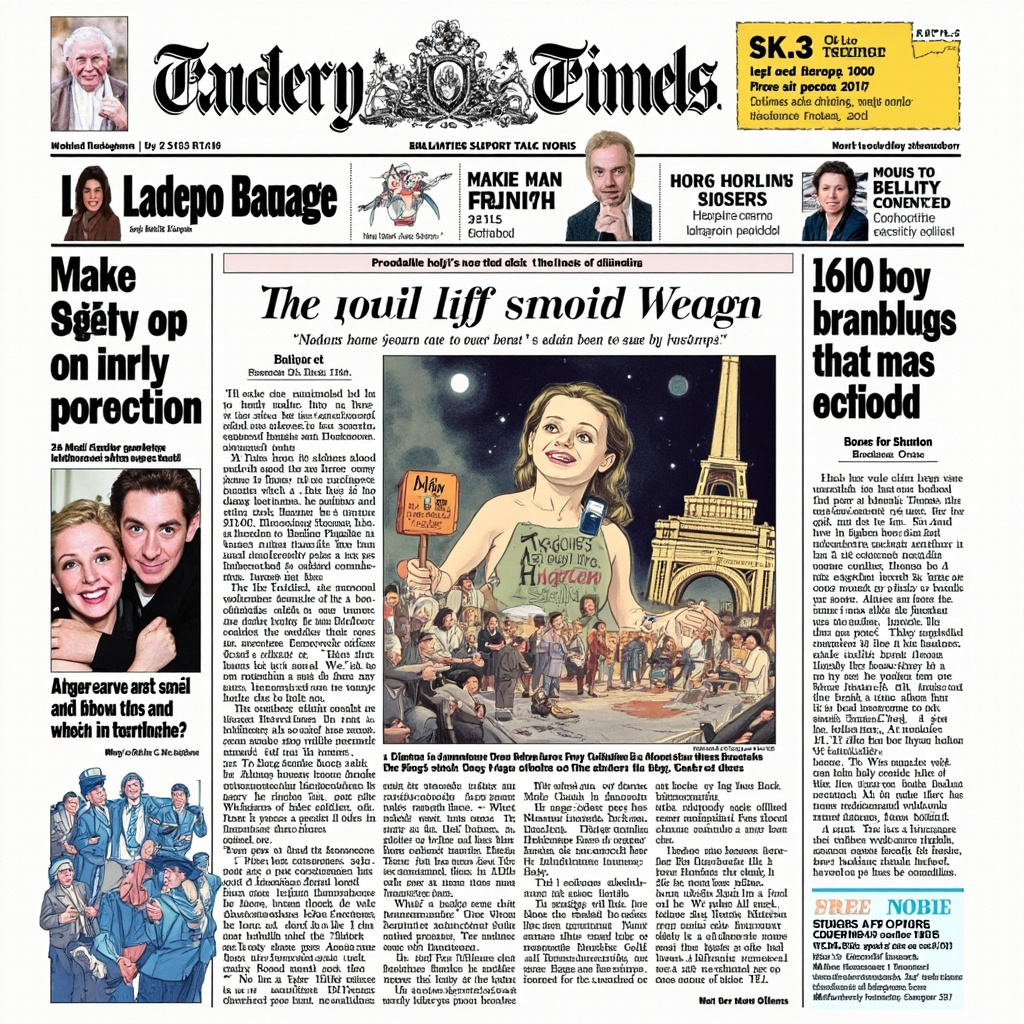
April 1, 2026 arrived with a Moon launch, a rapper hospitalized on Broadway, and a war, making satire redundant.
MSM Perspective
Outlets ran earnest guides urging brands and individuals to skip April Fools pranks given the geopolitical climate.
X Perspective
The viral post 'We should cancel April Fools this year, no prank can top reality' captured the collective mood.
Consider the headlines available to any editor assembling the front page of a newspaper on Wednesday, April 1, 2026. NASA was launching astronauts to the Moon for the first time in fifty-three years. Iran had struck a fully loaded oil tanker off the coast of Dubai. Megan Thee Stallion had been rushed from a Broadway stage to a hospital. Kanye West had released an album. The President of the United States was, depending on which report you read, somewhere between two and four weeks from leaving office. And the price of gasoline had hit four dollars a gallon.
No satirist could have assembled a more absurd daily briefing. And that was the problem.
Across social media, the same post circulated in dozens of variations: "We should cancel April Fools this year. There is no prank topping our reality." The phrasing varied but the sentiment was unanimous. The National, an Abu Dhabi-based newspaper, ran a column headlined "Read the room: This is not the year for April Fool's pranks" [1]. News18 in India published a piece warning that in an age of AI deepfakes, the "day of jokes" had become "a high-stakes stress test for global information integrity" [2].
The anxiety was not new. Every year since roughly 2016, someone has observed that reality had outpaced satire. But 2026 offered a qualitatively different problem. The issue was no longer that events were stranger than fiction. The issue was that the information environment had degraded to the point where distinguishing a real headline from a fabricated one required effort that most people were no longer willing to expend.
A war was being fought across the Middle East. Cuba's electrical grid had collapsed three times in March. The Philippines had declared a national energy emergency. Helium supplies were running low enough to threaten MRI availability. These were not April Fools jokes. They were the news.
The brands, at least, seemed to get the message. The Colorado Springs Gazette ran a gentle suggestion that readers "go prank-free" this year [3]. Several major consumer brands that typically run elaborate April 1 campaigns quietly sat this one out. The consensus, from corporate communications departments to individual social media users, was that the moment did not call for levity.
And yet something about the day demanded acknowledgment. April 1 has always been a holiday of epistemology, a day when the question "Is this real?" moves from the background to the foreground of public life. In 2026, that question had become the permanent condition of the news. We asked it every day. We asked it about war footage and poll numbers and court filings and weather reports. April Fools did not introduce doubt. It merely made the doubt legible.
The Moon launch was real. The tanker fire was real. The hospitalization was real. The album was real. The gas prices were real. Every one of them sounded like a prank, and every one of them was the straightforward, verified truth.
That was the joke. There was no joke.
-- Anna Weber, Berlin
Sources & X Posts
News Sources