TL;DR
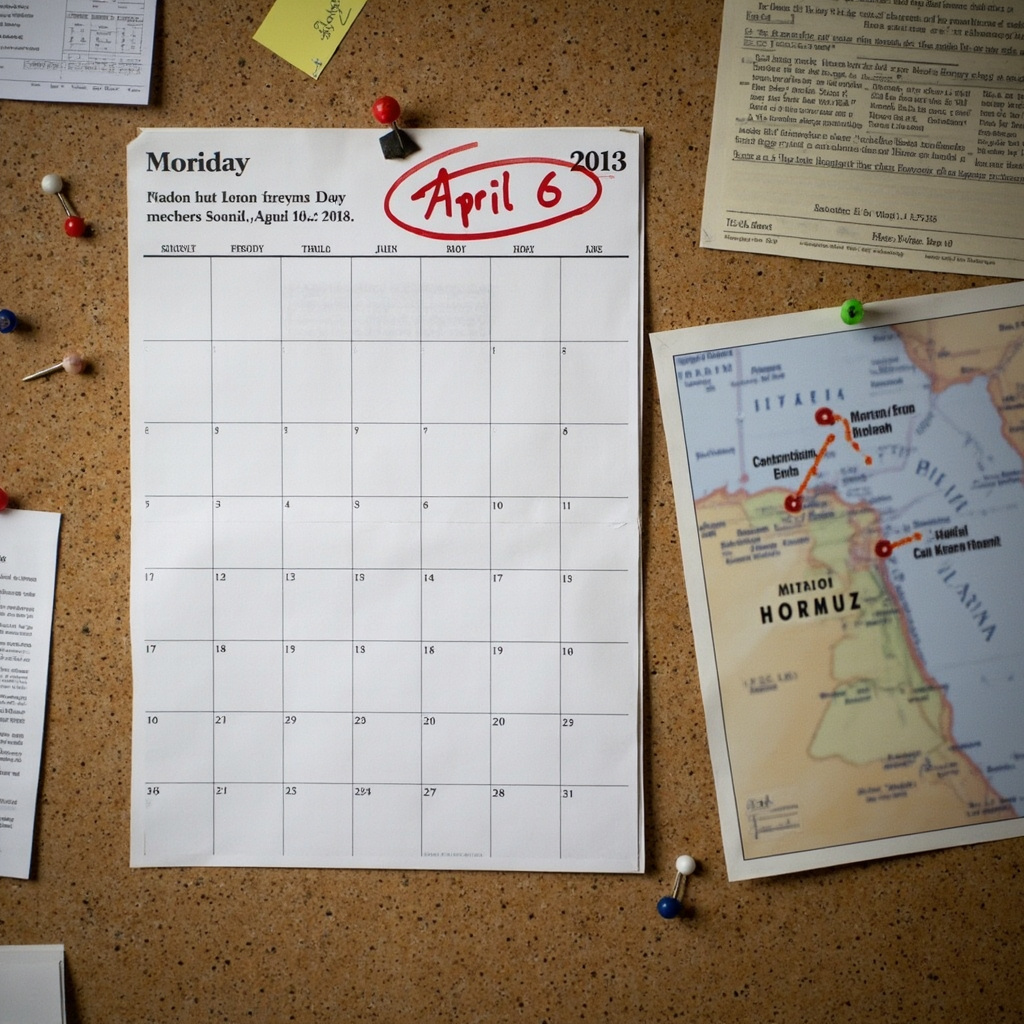
Trump's April 6 deadline for Iran to reopen the Strait of Hormuz is four days away with no credible diplomatic channel in sight, raising the prospect of strikes on Iranian energy infrastructure.
MSM Perspective
Major outlets frame the April 6 date as the most consequential deadline of the war, with reporting focused on whether diplomatic backchannel contacts are real or performative.
X Perspective
X analysts and OSINT accounts track the deadline clock with growing fatalism, noting Trump has extended deadlines before but that each extension narrows the political space for another.
The clock reads four days. On April 6 at 8:00 P.M. Eastern, Trump's latest deadline for Iran to reopen the Strait of Hormuz expires, and with it the pause on strikes against Iranian power plants and energy infrastructure [1].
The deadline has already been extended twice — first from a 48-hour window on March 21, then from March 27 to April 6 — each time with Trump citing "progress in talks" [2]. But Iran's government has denied that any direct negotiations have taken place, and Tehran's parliament speaker said this week that Iran is "waiting for American soldiers to enter on the ground so they can set them on fire" [3].
No credible intermediary has publicly confirmed active backchannel discussions. Oman, which brokered previous U.S.-Iran contacts, has offered its services but received no formal mandate from either side. The Swiss embassy in Tehran, which handles U.S. interests, has not issued any statements suggesting diplomatic traffic.
The April 6 date matters because Trump has tied his credibility to it. A third extension would signal that the deadline framework is performative. Following through would mean strikes on energy facilities that could send oil past $150 per barrel and draw the war into a new phase that even administration hawks have privately described as unpredictable.
Four days. No channel. No off-ramp in sight.
-- TARIQ HASSAN, Doha
Sources & X Posts
News Sources
X Posts