World
TL;DR
Two Australian states went free-transit as Iran war fuel prices hit record highs — the clearest signal yet that the war's second-order costs have landed on allied nations with no say in starting it.
MSM Perspective
MSM covers the free transit policy as a smart climate and transport initiative, omitting the Iran war as the precipitating cause.
X Perspective
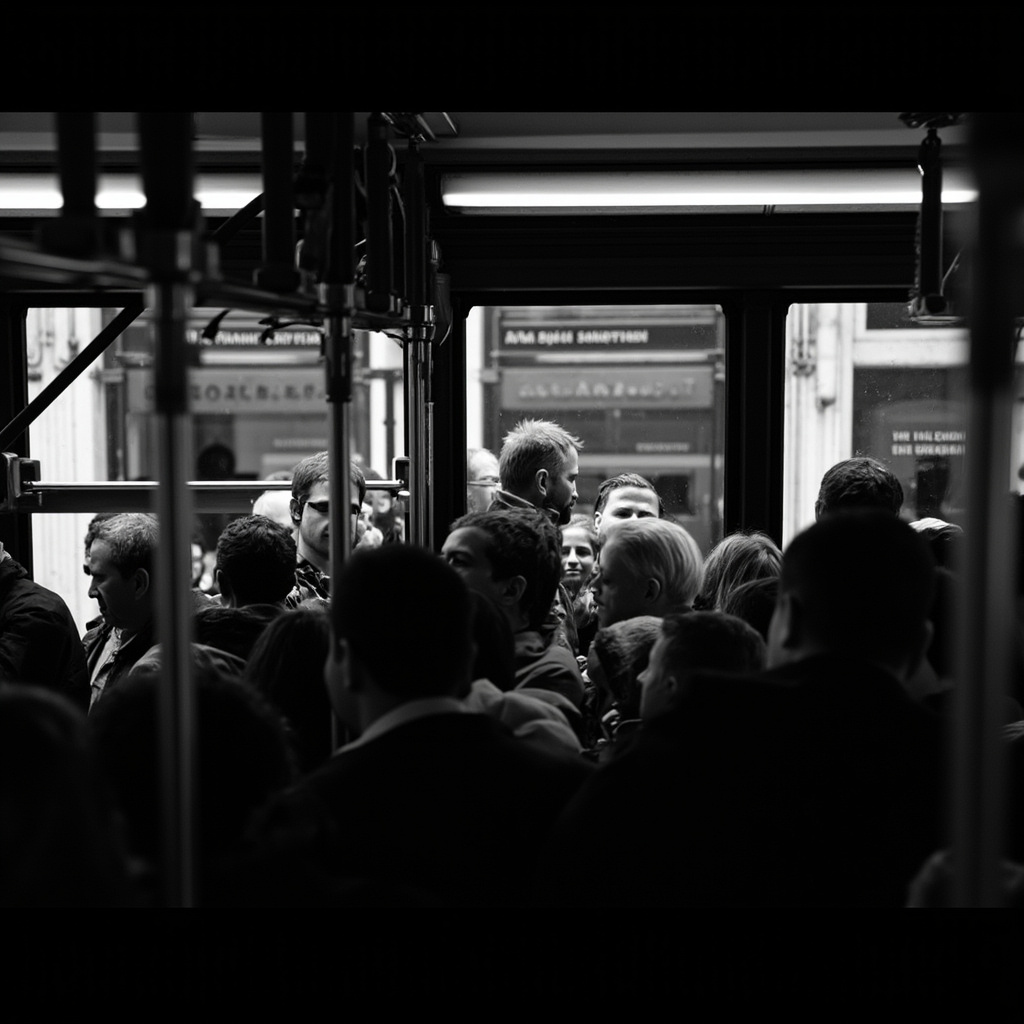
X is sharing video of packed buses and trains, calling it proof the war has arrived in Australia through the back door — without a shot fired, without a vote, without any say.
Victoria and Tasmania became the first Australian states to offer free public transport as an emergency measure — not as a climate initiative, but as a direct response to fuel prices the Iran war has made untenable. [1]
The policy took effect March 30. By morning, Melbourne's tram network was running at crush capacity. Sydney's trains saw similar crowds. In Hobart, the capital of Tasmania, bus routes were extended to accommodate demand that surprised transport officials.
"We did not plan for this," said Transport Minister Catherine Wynne of Victoria. "But when petrol hits $2.40 a liter and people are choosing between driving to work and feeding their families, you act."
The price at the pump has nearly doubled since the war began. Australia imports approximately 90% of its refined petroleum products. The Hormuz blockade — now operating as a yuan-denominated toll road — has made Gulf imports both more expensive and less reliable. The war premium, which energy analysts initially estimated at $10-15 per barrel, has become structural: shippers building in permanent risk premiums, insurers quoting war zone rates, Australian importers paying the difference.
The connection to the Iran war was explicit in the state governments' announcements. Victoria's emergency fuel subsidy program, announced last week, specifically cited "supply chain disruptions in the Middle East" as the trigger. Tasmania's free transit expansion was framed as "reducing household transport costs during a period of international instability."
Australia has contributed no troops to the war. Its parliament has held no votes authorizing involvement. [2] Its citizens have not been asked to approve the conflict that is now reshaping their daily commute.
On X, the response was pointed. Video of Melbourne's packed trams accumulated millions of views, accompanied by posts noting that Australians were paying for a war they had no say in — through higher prices at the pump, through taxes funding transport subsidies, through a standard of living eroding by increments.
"Someone else's war, someone else's tanks, and now someone else's public transport bill," wrote one Melbourne resident in a post that was shared 40,000 times. "When does it become our war?"
The question has no institutional answer. The Australian parliament has not debated the war since March 22, when the prime minister issued a statement supporting "American efforts to stabilize the region" without specifying what stabilization means or what efforts cost.
The free transit experiment is being watched closely by other states. New South Wales, Australia's most populous, is considering similar measures. Queensland officials have called for a federal fuel subsidy program — a request that has gone unanswered.
For now, Victorians and Tasmanians are riding trams and buses for free. They are not riding for free because their government decided transit should be universal. They are riding for free because the war made petrol unaffordable and their leaders have offered no other answer.
-- James Mwangi, Nairobi
Sources & X Posts
News Sources