TL;DR
ABC's most reliable spring franchise got swapped for an American Idol rerun and the network still hasn't said what fills the hole next week.
MSM Perspective
Deadline reports the Idol rerun replacement and frames it as ABC scrambling with no viable Plan B for the rest of the spring schedule.
X Perspective
Bachelor Nation is oscillating between grief and gallows humor, with the American Idol slot-fill being treated as the network equivalent of a funeral wreath.
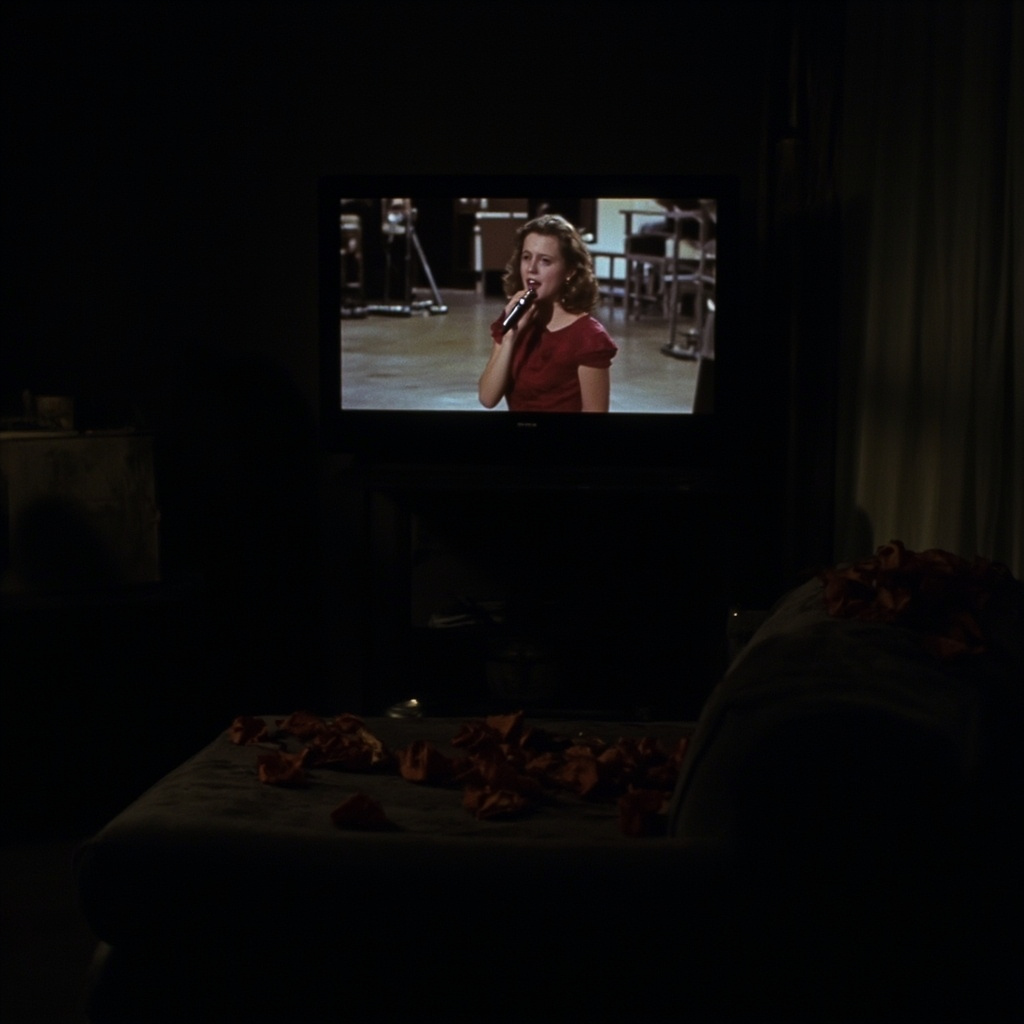
On Sunday night, at 8 PM Eastern, in the prime-time slot where Season 22 of The Bachelorette was supposed to premiere, ABC aired a rerun of American Idol. Not a special. Not an emergency broadcast. A rerun — Season 24, Episode 4, a show that had already aired the previous Sunday. The network's twenty-five-year-old romance franchise, which this paper covered when ABC pulled the entire filmed season three days before its premiere, was replaced by a talent competition people had already seen. [1]
The optics were extraordinary. American Idol ran from 8 to 10 PM in the Bachelorette's exact time slot, a two-hour block of programming that cost ABC nothing to produce and that the network promoted with all the enthusiasm of a substitute teacher handing out worksheets. The ratings, when they arrive, will be dismal. They were always going to be dismal. The question was never whether ABC would lose viewers on Sunday night but how completely, and whether the network had any plan at all for the weeks that follow. [2]
It does not appear to have one. Deadline reported the Idol rerun as a one-week measure, but ABC has not announced programming for the following Sunday, or the Sunday after that, or any of the Sundays through late May that the Bachelorette was supposed to fill. The spring scheduling cycle in network television is a complex architecture of advertising commitments, audience flow, and contractual obligations that takes months to assemble. ABC dismantled it in an afternoon. [1][3]
The financial mathematics are grim. USA Today estimated that the cancellation exposed Disney, ABC's parent company, to losses in the tens of millions when production costs, lost advertising revenue, and promotional spending are combined. A single season of The Bachelorette costs between $25 million and $35 million to produce. The advertising sold against it — upfront commitments negotiated the previous May — represents additional revenue that must now be made whole through "make-good" slots on other programming, or refunded. "Can ABC get a refund?" USA Today asked in a headline that managed to be both flippant and precise. [4]
The answer, practically speaking, is no. The season was filmed. Taylor Frankie Paul distributed her roses, conducted her eliminations, and reportedly accepted a proposal. The footage exists in ABC's content management systems, finished and scored and colour-corrected, which is the cruelest detail: the product is complete, paid for, and permanently unsalvageable. [4]
The underlying cause — a 2023 video published by TMZ on March 19 showing Paul assaulting her then-partner in front of a child — has not been adjudicated. A police investigation is ongoing but no charges have been filed. Paul posted a response on social media that acknowledged the video without apologising for its contents. The legal landscape remains fluid, the moral landscape less so. [5]
Five contestants from the cancelled season are reportedly considering legal action against ABC, according to TMZ. Their grievance is comprehensible if legally uncertain: they signed contracts, paused careers, and submitted to a production process that exposed their personal lives to cameras, and the network pulled the show for reasons unrelated to anything they did. The franchise has always demanded vulnerability from its contestants. It has rarely accounted for what happens when the institution itself is the source of the breach. [6]
What Sunday night's Idol rerun revealed is not merely a scheduling crisis but a structural one. The Bachelorette is — was — ABC's most reliable spring performer, a show that delivered consistent ratings in a landscape where consistency is nearly extinct. Its absence does not create a single empty slot. It creates a cascade of downstream scheduling problems: the Bachelor in Paradise summer season that feeds off Bachelorette contestants, the social media engagement cycle that drives streaming numbers on Hulu, the entire parasocial ecosystem that the franchise has spent a quarter century cultivating.
An American Idol rerun cannot replace any of that. It was not meant to. It was meant to fill a silence, and it filled it the way silence is always filled on network television: with something nobody asked for, at a volume nobody wanted, in a slot that used to mean something else entirely.
-- MAYA CALLOWAY, New York
Sources & X Posts
News Sources
X Posts