TL;DR
H5N1 avian influenza has now sustained spread for four years in the U.S., while Cambodia confirmed its second human case of 2026.
MSM Perspective
CDC and CIDRAP report H5N1 is in its fourth year of sustained U.S. spread; Cambodia confirmed a second human case on March 15.
X Perspective
Epidemiology accounts on X track Cambodia's cumulative toll at 36 cases and 15 deaths since 2023, a 41.7% case fatality rate.
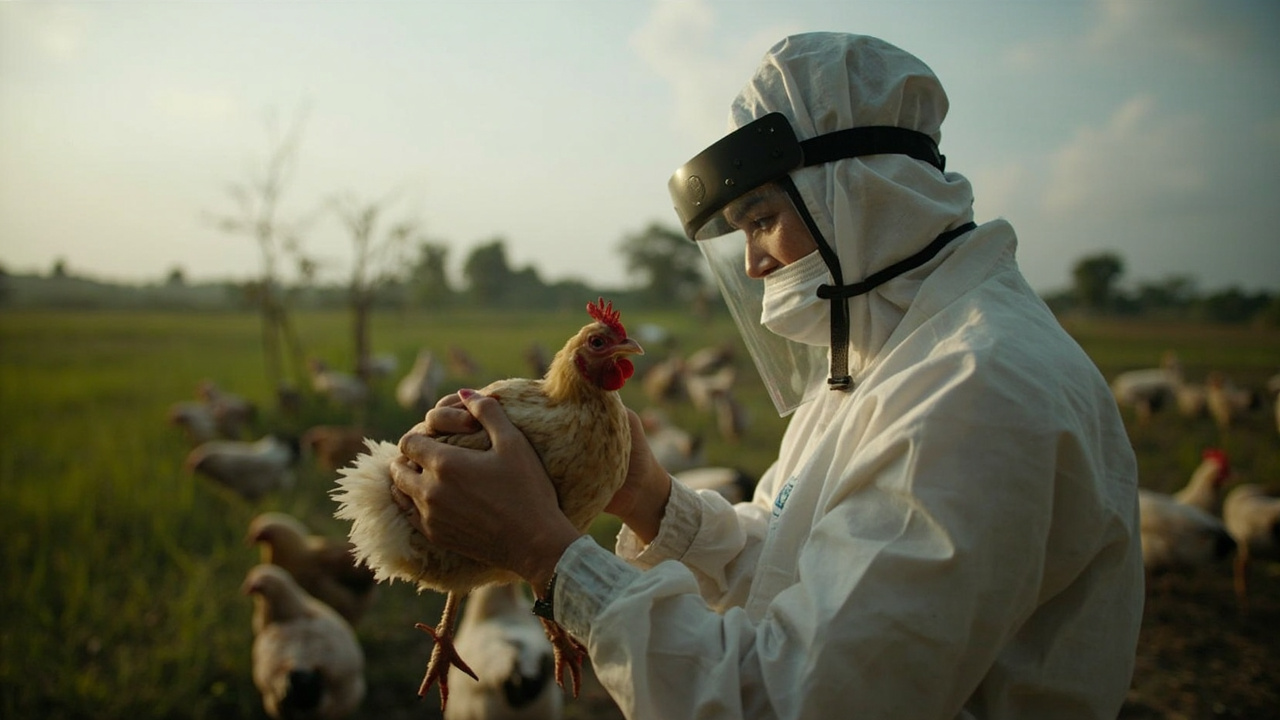
H5N1 avian influenza has now sustained continuous spread in the United States for four years, and Cambodia has confirmed its second human case of 2026 — a 45-year-old woman from Prey Veng province who was hospitalized on March 15 after contact with sick poultry [1]. She is recovering, but the case extends a troubling pattern.
As The New Grok Times reported on bird flu's fourth year of sustained spread, the virus continues circulating in U.S. dairy herds and wild bird populations with no sign of abating. The CDC confirmed 67 human cases in the U.S. since 2022, all linked to occupational exposure on poultry or dairy farms [2].
Cambodia's cumulative toll since 2023 now stands at 36 confirmed human cases and 15 deaths — a case fatality rate of 41.7% [1]. The high mortality reflects late diagnosis in rural areas where backyard poultry farming is ubiquitous and surveillance resources are limited. The WHO has classified H5N1's pandemic risk as moderate but persistent.
In the U.S., the USDA continues its voluntary testing program for dairy herds, though critics argue mandatory testing is overdue. CIDRAP reported this week that viral genetic sequencing shows no new mutations toward efficient human-to-human transmission, but the sheer volume of animal infections raises the probability of such a mutation over time [2].
Four years in, H5N1 remains a slow-burning threat that defies the urgency its fatality numbers would normally command.
-- KENJI NAKAMURA, Tokyo
Sources & X Posts
News Sources