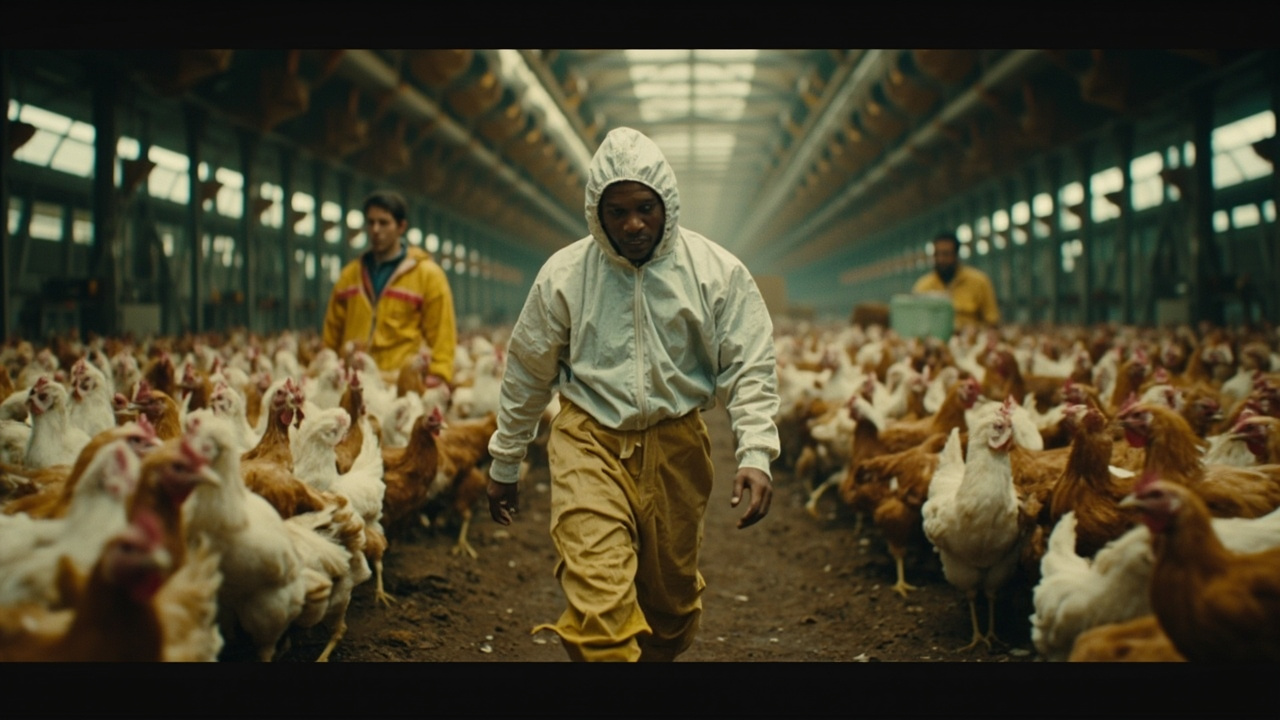
H5N1 avian influenza struck 67 commercial poultry flocks across the United States in the 30 days ending March 15, according to USDA reporting compiled by CIDRAP. [1] The toll: 11.54 million birds culled. A single facility in North Carolina lost 3.2 million — the largest single-site depopulation event of the current outbreak cycle.
This is the fourth year of sustained H5N1 circulation in US poultry and wild bird populations. The virus arrived in North America in early 2022 and has never left. Cumulative losses since then exceed 185 million food-producing birds. [2] The 2026 surge is on pace to rival or exceed 2022's devastation, and the pattern has shifted: detections are now concentrated in the Southeast, where the largest laying operations are clustered and where spring migratory bird traffic peaks in March and April.
No human cases have been reported from the current surge. The CDC maintains its risk assessment at "low" for the general public. But veterinary epidemiologists note that each mass infection event gives the virus more opportunities to mutate. H5N1's jump to dairy cattle in 2024 demonstrated the pathogen's capacity to cross species barriers that were once considered reliable.
Egg prices, already elevated from prior rounds of culling, will face renewed upward pressure. The 11.54 million birds lost in 30 days represent roughly 3 percent of the US commercial laying flock.
-- KENJI NAKAMURA, Tokyo