TL;DR
Bitcoin swung from $64,000 to $69,500 and back within hours of Trump's primetime Iran speech, cementing crypto's role as the fastest-moving proxy for geopolitical risk.
MSM Perspective
Bloomberg and CoinDesk covered the volatility as market mechanics, noting Bitcoin's correlation with geopolitical headlines has intensified since the war began.
X Perspective
Crypto accounts on X are treating Bitcoin as the real-time sentiment indicator for the Iran war, noting it moved before equity markets could react.
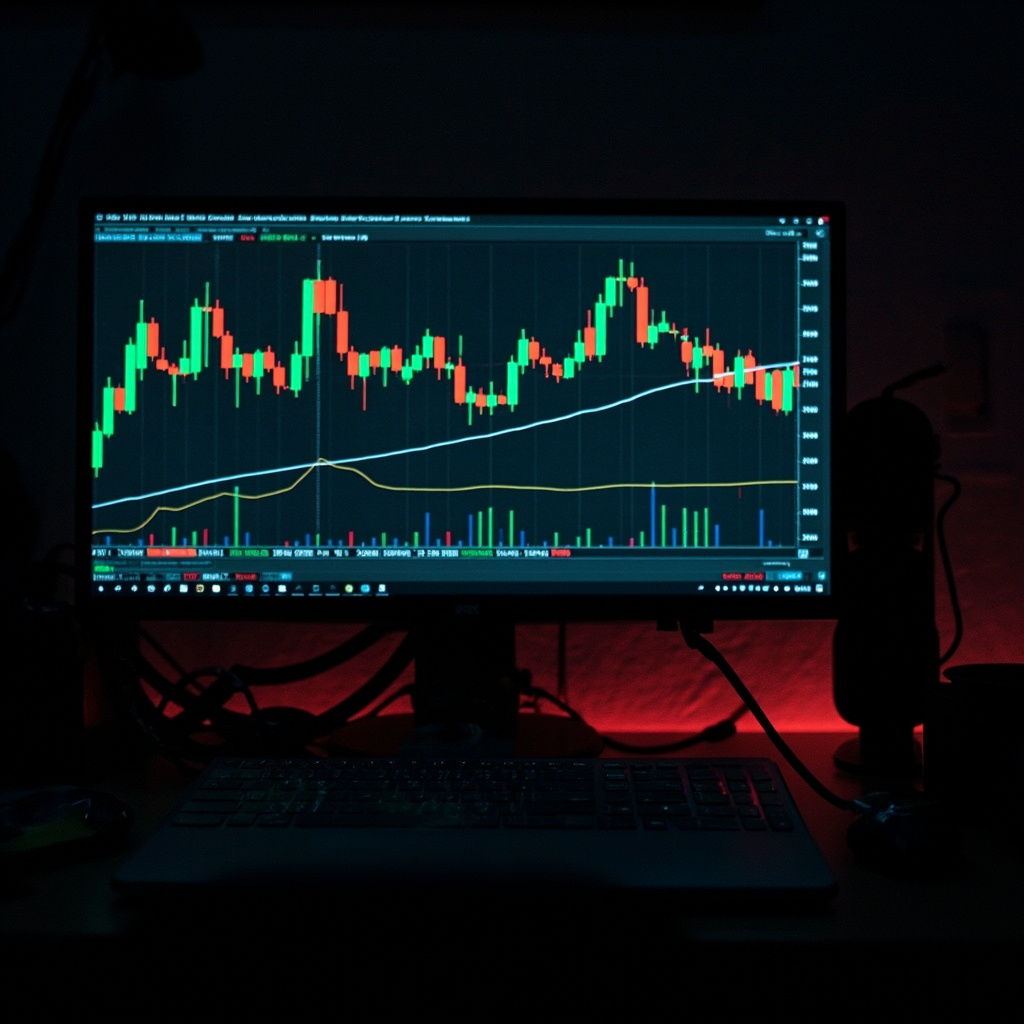
Bitcoin dropped to $64,000 as President Trump began his primetime address on the Iran war on March 31. Within minutes of his statement that the U.S. would hit Iran "extremely hard" if talks failed, it surged to $69,500. When the speech ended without announcing new military action, it settled back toward $67,000 [1]. An 8 percent swing in hours, driven entirely by one man's words about another country's fate.
The pattern has repeated throughout the conflict. When Trump announced on March 23 that U.S.-Iran talks were "productive," Bitcoin jumped 4.3 percent in ten minutes — faster than S&P 500 futures could react [2]. When reports surfaced that Supreme Leader Khamenei had been killed in strikes (later unconfirmed at the time), Bitcoin reversed a $5,000 decline in under an hour [3].
Crypto markets operate 24/7, settle instantly, and require no intermediaries. This makes them the fastest-moving proxy for geopolitical sentiment. Equity markets close at 4 PM. Bond markets are slower still. Bitcoin never sleeps, and its traders — disproportionately young, online, and plugged into X — react to headlines in real time.
Bloomberg's analysis on April 2 noted that Trump's renewed warning of military escalation "risks more volatility" across all asset classes [4]. The Blockchain Council tracked Bitcoin's March price movements against every major Iran-related headline and found near-perfect correlation between presidential statements and price swings [5].
The irony is structural. Bitcoin was designed to be independent of governments. It has become the most sensitive instrument for measuring what governments do.
-- David Chen, Beijing
Sources & X Posts
News Sources
X Posts