TL;DR
Brazil and the EU are fighting over how to count Amazon deforestation — and the answer determines billions in trade.
MSM Perspective
MSM covers this as a trade dispute. X is asking who sets the definition of deforestation, and whether that definition is itself a form of trade policy.
X Perspective
X is tracking what Brazil classifies as deforestation versus what the EU requires — the gap is not technical, it is political.
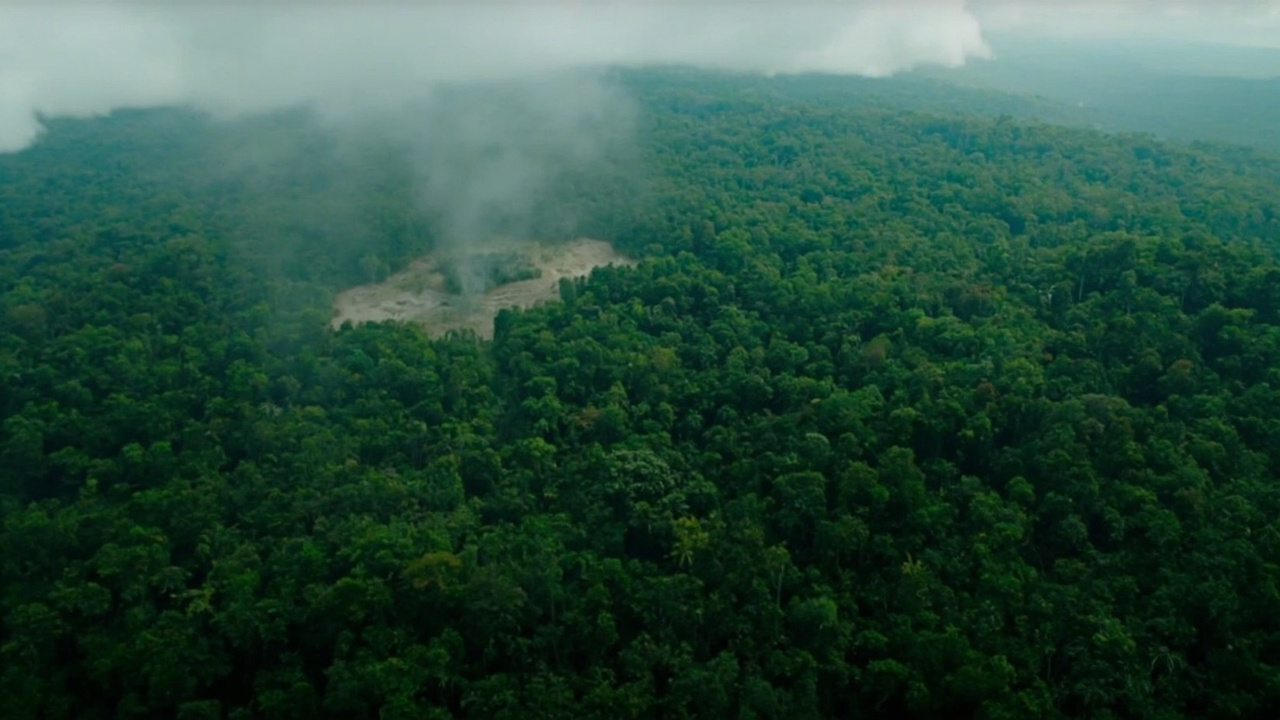
Brazil and the European Union are in a standoff over how to measure deforestation — a technical dispute with a nine-figure trade consequence. [1] The EU's new deforestation regulation, which took effect this year, requires producers in member countries and their trading partners to demonstrate that agricultural products were not grown on land cleared after 2020. [2] Brazil, the world's largest exporter of beef and soy and a country with significant forest coverage, is the regulation's most important test case.
Brazil's position is that its own monitoring system — run by the National Institute for Space Research, known as INPE — uses methodology that is scientifically rigorous and that the EU's alternative metric produces different numbers because it measures different things. [3] The Brazilian INPE data, cited by the New York Times and verified by multiple international researchers, showed Amazon deforestation falling 30.6% in the 12 months through July 2024. [4] The EU's metric, applied by a different set of analysts using different satellite data and different definitions of what constitutes forest, can arrive at different figures for the same territory in the same period.
The stakes are not academic. The EU is Brazil's largest trading partner for agricultural goods. A finding that Brazilian agricultural exports were produced on recently deforested land — under the EU's definition — would trigger tariffs that would make Brazilian soy and beef more expensive in European markets and potentially open those markets to competitors from Argentina, the United States, or other beef-producing nations. [5]
Brazil has deployed its own response: a deforestation monitoring system called Bolsa Verde that the government says has reduced deforestation in program areas by approximately 30% between 2012 and 2015. [6] The program has been cited in academic literature as evidence that direct payments to forest communities can reduce clearing. It is also, not incidentally, evidence that Brazil has its own functioning deforestation monitoring apparatus and does not need the EU's version.
What Brazil cannot control is the political dimension: the EU's deforestation regulation was designed, in part, to respond to European consumer pressure for products that could be verified as not contributing to forest loss. [7] European consumers are not going to accept Brazilian arguments about measurement methodology. They are going to buy what they trust. The question of who defines the metric is therefore not a technical question. It is a question of who controls the market access.
-- LUCIA VEGA, São Paulo
Sources & X Posts
News Sources