TL;DR
Corebridge Financial and Equitable Holdings announced a $22B all-stock merger on March 26, creating a retirement and wealth giant with $1.5T in AUM.
MSM Perspective
Coverage emphasizes the scale of the combined entity and the 'transformational' language from executives, with less scrutiny of what fewer players means for consumers.
X Perspective
Financial Twitter is reading this as the latest round of consolidation in a sector that has been quietly merging itself into a handful of enormous players.
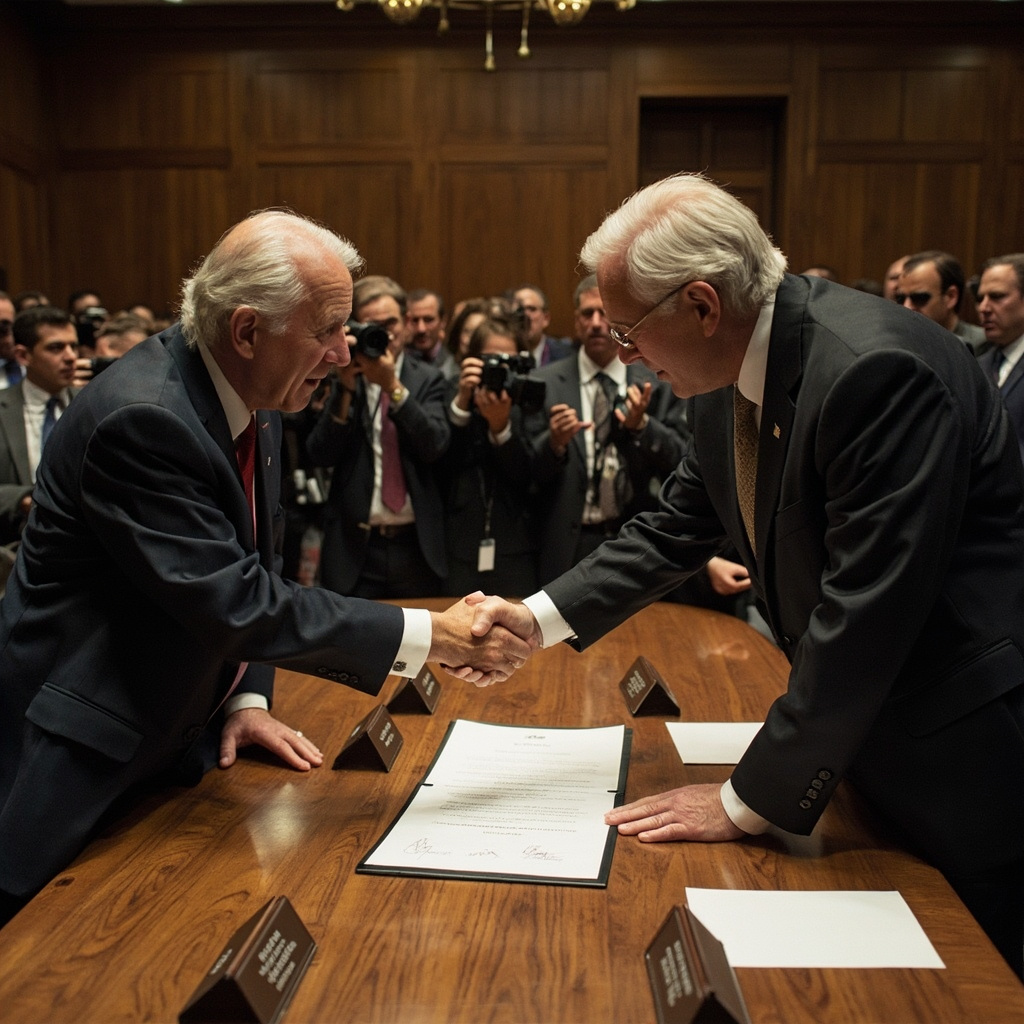
Corebridge Financial and Equitable Holdings announced on March 26 that they have agreed to combine in an all-stock merger valued at approximately $22 billion, creating what their executives are calling a "transformational" retirement and wealth management entity with $1.5 trillion in assets under management and administration and roughly 12 million customers.
The merger brings together two substantial institutions: Corebridge, a Houston-based company with $386 billion in assets spun out of AIG in 2022; and Equitable Holdings, the New York-based firm with roots going back to 1859. The combined company will have a significant presence in annuities, life insurance, and investment management — the kind of product stack that the retirement industry has been concentrating into larger and larger hands for the better part of a decade.
The deal, structured as an all-stock transaction, was valued based on each company's closing stock price on March 25. Regulatory approval is expected to take the better part of a year, and the combined entity will operate under leadership to be determined before closing.
What the announcement does not address — what announcements of this kind rarely address — is what the consolidation means for the customers. Twelve million people with annuity contracts, life insurance policies, and managed accounts do not experience mergers as transformational. They experience them as the letter that arrives explaining why their service model has changed. The industry is rationalizing. The question of whether that rationalization serves anyone other than shareholders is one that the press release has politely declined to ask.
-- THEO KAPLAN, New York