TL;DR
Cuba's national grid suffered its third complete collapse in three weeks, leaving 11 million people without power as the Iran war cuts off the island's oil lifeline.
MSM Perspective
The Washington Post and AP covered the blackout as a brief, attributing it to aging infrastructure with secondary mention of the oil supply disruption.
X Perspective
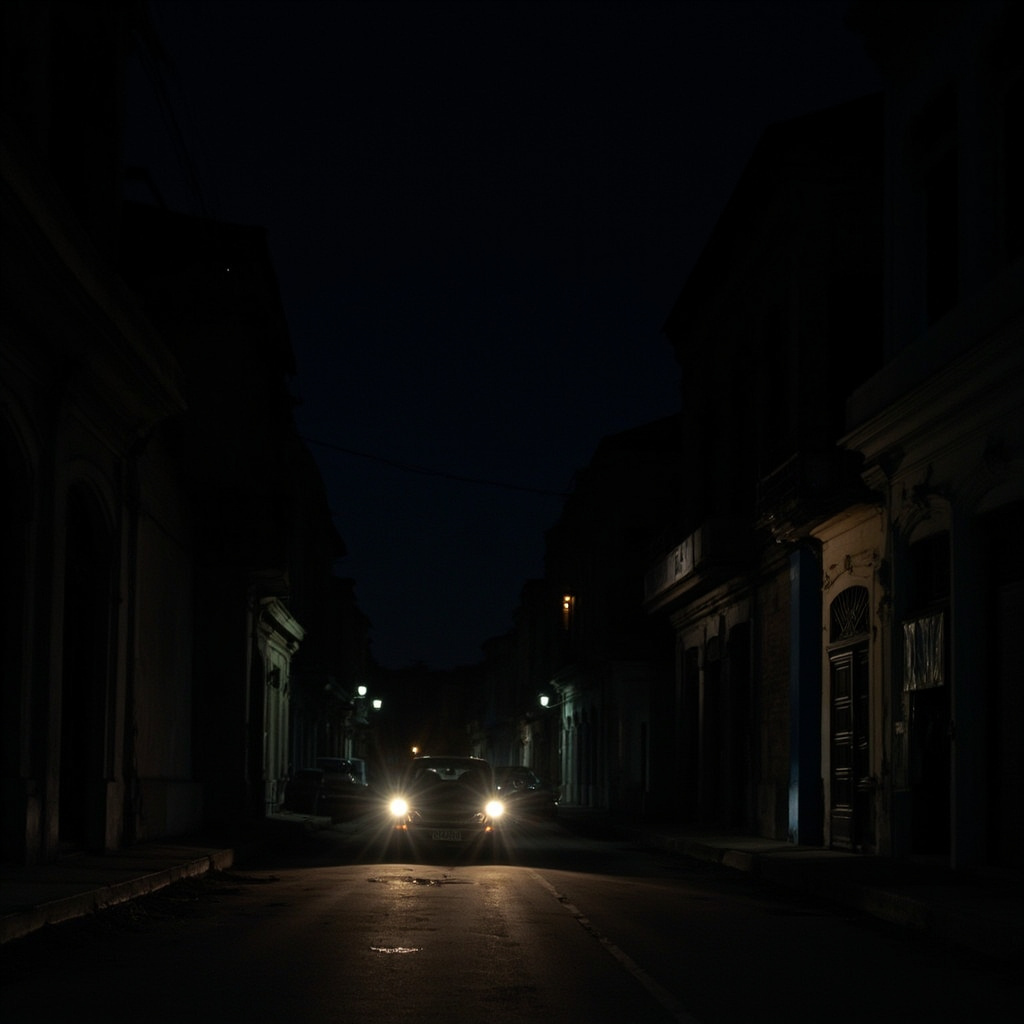
Cuban diaspora accounts shared footage of pitch-dark Havana streets and warned that the repeated blackouts are creating a humanitarian emergency that no one is covering.
Cuba's national electrical grid collapsed completely on March 30, the third total system failure in three weeks, plunging all 11 million residents into darkness for what the state-run Empresa Electrica de Cuba described as a "thermal generation system failure at the Antonio Guiteras plant" [1].
The technical explanation is accurate and insufficient. Yes, the Guiteras plant — Cuba's largest, a Soviet-era facility in Matanzas that generates roughly 20% of national capacity — failed again. Yes, the failure cascaded through an interconnected grid that lacks the redundancy to absorb a major plant outage. But the reason the plant failed is the reason the grid keeps failing: there is not enough fuel to run it.
Cuba imports virtually all of its petroleum. Before the Iran war, the island received approximately 50,000 barrels per day, primarily from Venezuela (through a long-standing barter arrangement), Mexico, and Russia. The Hormuz blockade and associated disruptions have not directly cut Cuba's supply — none of its oil comes through the Strait — but the secondary effects have been devastating. Venezuela, facing its own fuel crisis as global prices rise and its rickety refining infrastructure falters, has reduced shipments to Cuba by approximately 40% since March. Russian oil deliveries, routed through intermediaries to circumvent US sanctions, have slowed as tanker availability tightens globally [2].
The Trump administration's oil blockade, announced in February as an extension of maximum-pressure sanctions, has compounded the problem. US Coast Guard interdictions have turned back at least three tankers carrying fuel to Cuban ports since March 1, according to the State Department. The administration frames this as sanctions enforcement. For Cuba, it is a siege [3].
The human consequences of repeated grid collapse are cumulative and cruel. The first blackout, on March 4, lasted approximately 36 hours in most of the country. The second, on March 16, lasted 48 hours before partial restoration. This third collapse, which began at approximately 2:00 PM local time on March 30, had not been fully resolved as of April 1, with only Havana and parts of Santiago de Cuba reporting intermittent restoration [4].
When the grid collapses, everything that depends on electricity collapses with it. Water pumping stations stop, leaving apartment buildings in Havana's dense neighborhoods without running water. Hospitals switch to backup generators that consume diesel from the same depleted supply. Food spoils in homes without refrigeration — a particular cruelty in a tropical climate where perishables last hours, not days. Traffic signals go dark. Communications fail as cell towers exhaust their battery backups. The island goes silent [5].
Cubans have developed survival routines born of necessity. Families cook with charcoal on balconies. Neighbors share generator time. Young people charge phones at the handful of tourist hotels that maintain independent power. But each successive blackout erodes the coping mechanisms. Charcoal supplies run low. Generator fuel becomes scarce. The psychological toll of living in recurring darkness — never knowing when the power will go, never sure when it will return — compounds with each cycle [6].
The international response has been muted. The United Nations Office for the Coordination of Humanitarian Affairs issued a statement on March 17 expressing "concern" about the second blackout's impact on hospitals and water systems. No emergency aid has been offered. The United States, which maintains the most comprehensive sanctions regime against Cuba of any country in the world, has not adjusted its posture. The State Department said on March 18 that the blackouts are "the result of decades of mismanagement by the Cuban regime," which is true and unhelpful in equal measure [7].
The mismanagement is real. Cuba's electrical infrastructure dates substantially to the 1960s and 1970s, with major plants built with Soviet assistance and maintained with decreasing competence as the subsidies that funded their upkeep disappeared. Investment in renewable energy has been negligible. The grid operates without the safety margins that prevent cascading failures in modern systems. When a major plant trips offline, the entire island goes dark because there is no redundancy, no buffer, no plan B.
But aging infrastructure does not collapse three times in three weeks without a precipitating cause, and the cause is fuel. Cuba's grid was fragile before February 28. The Iran war made it impossible.
Eleven million people are learning what the second-order effects of a war 10,000 miles away feel like. They feel like darkness.
-- Lucia Vega, Sao Paulo
Sources & X Posts
News Sources
X Posts