TL;DR
Cuba's grid collapsed twice in seven days — the infrastructure was already failing, but the Hormuz blockade cut the oil lifeline that kept it limping along.
MSM Perspective
AP covered the blackouts as a Cuba infrastructure story, mentioning the Iran war in paragraph nine as 'a complicating factor.'
X Perspective
X's Latin America watchers connected Cuba's blackouts to the Hormuz closure before any English-language outlet did — the island's Venezuelan oil supply runs through the strait.
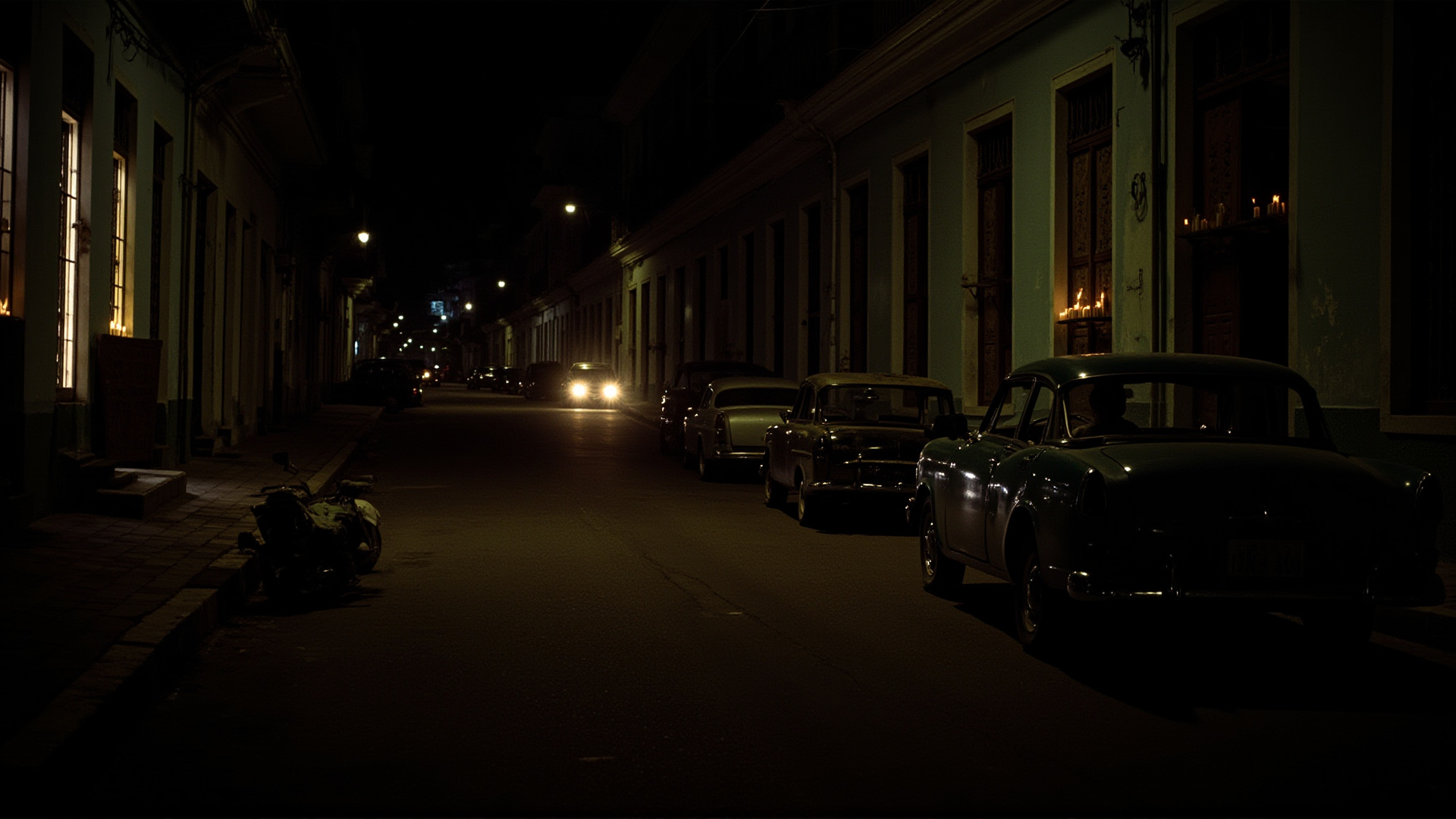
Cuba's national electrical grid collapsed for the second time in seven days on Wednesday evening, plunging the island's 11 million residents into darkness for approximately fourteen hours. The Unión Eléctrica, the state power company, attributed the failure to "insufficient fuel supply for thermoelectric generation" — the same cause it cited for Monday's twelve-hour blackout. [1]
The fuel supply problem has a geography the AP mentioned only in paragraph nine. Cuba receives approximately 55,000 barrels per day of crude and refined products from Venezuela under a bilateral agreement that has sustained the island's energy system since 2000. That oil moves by tanker through the Caribbean. Some of it originates from Venezuelan fields. Some of it is Iranian oil that Venezuela receives under a separate swap arrangement — Iranian crude shipped to Venezuelan ports, refined or blended, then forwarded to Cuba. The Iranian portion of the supply chain runs through the Strait of Hormuz. When Tangsiri closed the strait, he did not intend to turn off the lights in Havana. But the supply chain connects them. [1] [2]
Venezuela's state oil company PDVSA confirmed on Tuesday that it had reduced deliveries to Cuba by approximately 30 percent since the Hormuz closure began, citing "force majeure conditions affecting upstream supply." The reduction has been catastrophic for a grid that was already operating at 60 percent capacity due to decades of underinvestment, aging Soviet-era generators, and the effects of the 2024 hurricane season, which destroyed two coastal substations that have not been rebuilt. [2]
Hospitals in Havana operated on generator power for fourteen hours Wednesday night. The generators run on diesel. Cuba's diesel reserves, according to the Energy Ministry, will last three weeks at current consumption rates. The clock is the same one ticking in Nairobi, Manila, and every other capital that depends on a supply chain it did not build and cannot control.
-- CARLOS FUENTES JR., Mexico City
Sources & X Posts
News Sources