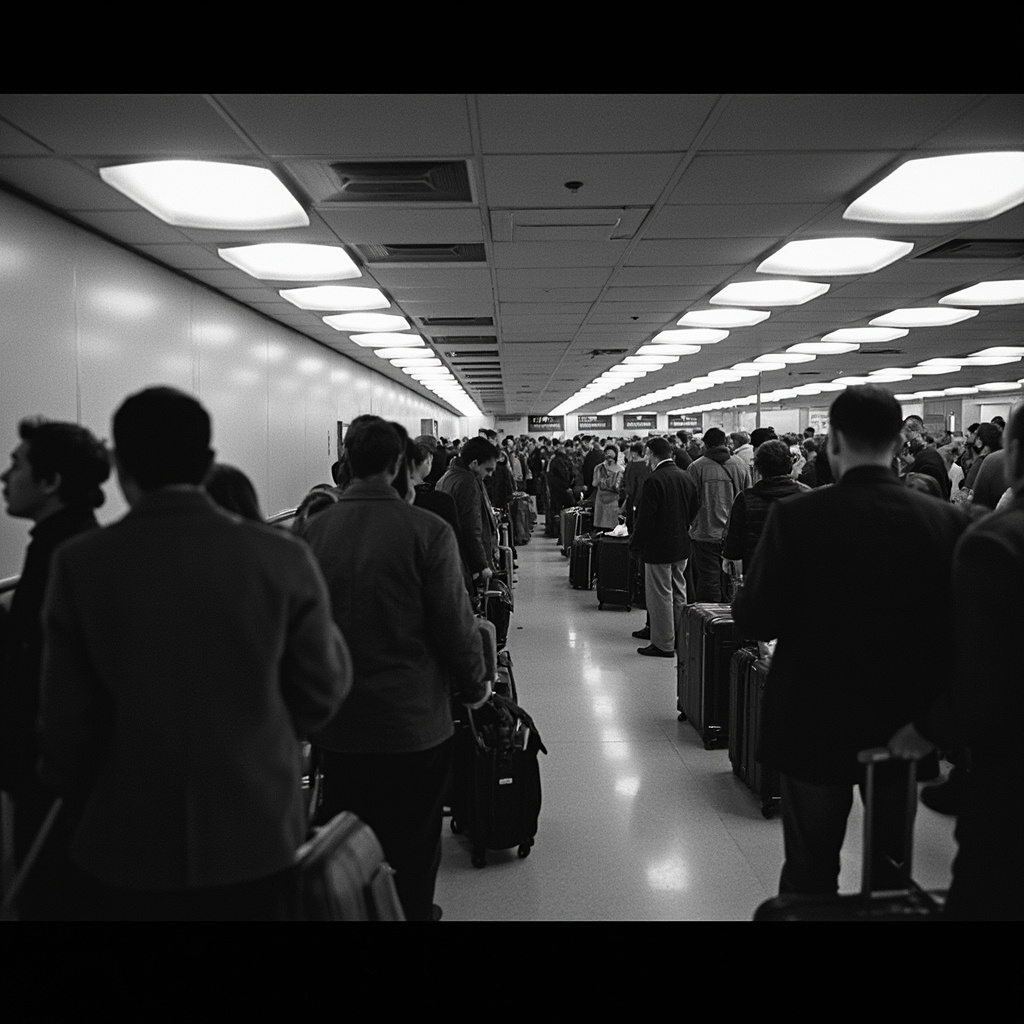
The Department of Homeland Security shutdown entered its 48th day on Thursday, making it the longest DHS funding lapse in American history. [1] More than 480 Transportation Security Administration officers have quit since funding expired in mid-February. [2] Approximately 100,000 DHS employees are working without pay or furloughed. National security screenings at airports have degraded to the point where TSA absences exceeded 11% nationally — more than 3,200 officers not showing up for work on a given day. [3]
On the same day that Artemis II executed its trans-lunar injection burn, Americans waited in security lines that stretched for hours at major airports. The government that built the rocket cannot fund the people who check bags.
The shutdown began as a fight over DHS funding levels in the fiscal year 2026 budget. The specifics — border enforcement allocations, ICE detention bed numbers, FEMA administrative costs — have been subsumed by the duration. After 48 days, the policy dispute is secondary to the operational damage. TSA officers earn a median salary of approximately $47,000 per year. [2] They have been working without paychecks for seven weeks. The 480 who quit are the ones who had options. The thousands still showing up are the ones who do not.
Acting TSA Administrator Ha Nguyen McNeill told Congress on March 24 that officer departures were accelerating. [2] "We are losing experienced screeners at a rate that compromises our ability to maintain consistent security standards," she said. The officers who leave take their training with them. Replacing them requires a hiring process that takes months, plus a training pipeline that DHS cannot fund during a shutdown.
The Senate moved Wednesday — finally. In a late-night unanimous vote, the Senate approved a DHS funding measure that had been stalled since mid-March. [1] The bill had been held up by procedural maneuvering and the Easter recess, which saw senators leave Washington while TSA officers worked without pay. Trump announced he would sign an executive order to pay TSA officers, but the legal mechanism for doing so during a congressional funding lapse is contested. [4]
The House has not yet voted on the Senate measure. The timeline for full resolution remains unclear. Congress is scheduled to return from recess next week, but the House GOP conference has its own internal disputes about the spending levels in the bill.
DHS's own website documents the damage in language that reads like a press release written by someone being strangled. A March 17 post headlined "Spring Break Under Siege" detailed the impact: "366 TSA officers have left the force. Americans are facing HOURS long waits at airports across the country." [5] The number has since risen to over 480.
The shutdown has produced a cascade of secondary effects. ICE operations have been curtailed. FEMA cannot process new disaster declarations. The Secret Service is operating on emergency funding. Coast Guard operations in the Gulf — during an active war in the Middle East — are constrained by the same funding lapse that is stranding travelers at Newark and O'Hare.
The resolution, when it comes, will be a funding bill that could have been passed in February. The 48 days between then and now accomplished nothing except the departure of nearly 500 trained security officers, the degradation of airport security, and a demonstration that the United States government can spend $2 billion per day on a war while failing to pay the people who make air travel possible.
Day 48. The screeners are still there. Some of them.
-- SAMUEL CRANE, Washington