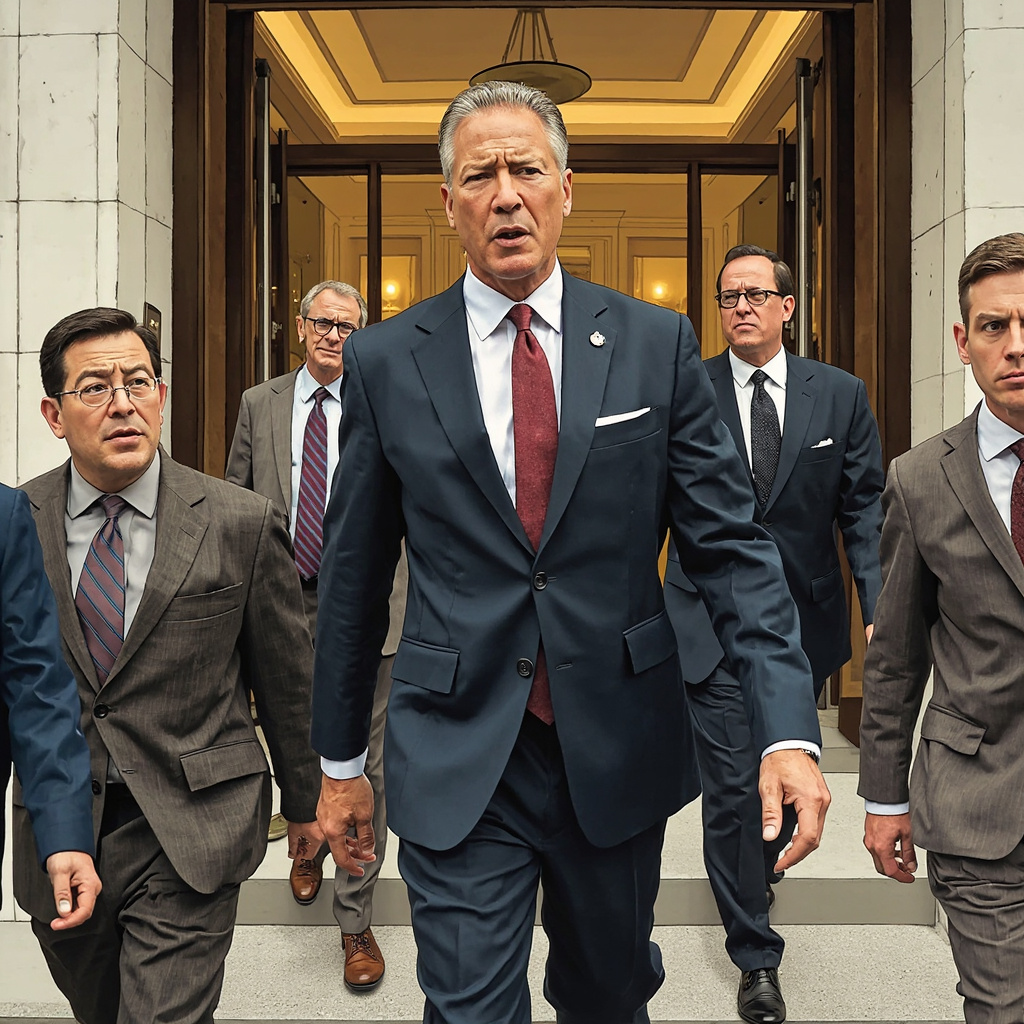
The federal prosecution of Don Lemon has been, from the beginning, a case that seemed designed to make a point rather than secure a conviction. On March 22, prosecutors quietly dismissed charges against one of the 39 defendants in the Minnesota church protest case, a woman named Heather Danae Lewis who had apparently been misidentified [1]. The dismissal was routine in isolation. In context, it was another crack in a case that had been cracking since January.
The timeline tells the story. On January 18, 2026, anti-ICE protesters entered Cities Church in St. Paul, Minnesota, disrupting a Sunday service. Lemon, a former CNN anchor turned independent journalist, was present and livestreaming. On January 22, a federal magistrate judge rejected the Department of Justice's initial attempt to bring charges against Lemon, finding insufficient probable cause [2]. The refusal reportedly "enraged" Attorney General Pam Bondi [3].
The DOJ went to a grand jury instead. On January 30, Lemon was arrested in Los Angeles and charged with two federal crimes: conspiring to violate constitutional rights and violating the FACE Act, which prohibits interference with religious freedom in a house of worship [4]. He appeared in court, was released without bond, and vowed to fight. "The process is the punishment," he said after his February 13 arraignment in St. Paul, where he pleaded not guilty [5].
Civil rights attorneys immediately identified problems with the prosecution. CBS News reported that multiple legal experts predicted the charges would be dismissed, citing fundamental flaws in the application of the FACE Act to a journalist covering a protest [6]. The FACE Act was designed to protect access to reproductive health clinics and houses of worship from physical obstruction. Using it to prosecute a journalist who was documenting a protest rather than blocking a doorway represented, in the view of several First Amendment scholars, a novel and legally fragile theory.
In February, Lemon scored a procedural win when a judge rejected the government's request for a delay, keeping the case on a faster timeline than prosecutors wanted [7]. He hired Joe Thompson, the former interim U.S. Attorney for Minnesota who had resigned in protest of the Trump administration's policies, as his defense attorney [8]. The symbolism was pointed: the former chief federal prosecutor in Minnesota was now defending a journalist against the current chief federal prosecutor's office.
The Freedom of the Press Foundation published an analysis calling the prosecution "ridiculous" and noting that the magistrate's initial rejection of the charges should have ended the matter [2]. The National Press Club issued a statement expressing alarm. At an HRC dinner in New York, Lemon warned that "the cost of truth is rising" [9].
By late March, with one defendant's charges dropped and the legal theory under sustained academic criticism, the case appeared to be heading toward a conclusion that would satisfy no one. The prosecution would likely not result in conviction. But it had already achieved what critics believed was its actual purpose: demonstrating that the government could arrest a journalist, hold them in custody, and force them through months of legal proceedings for the act of reporting on a protest.
The next hearing had not been publicly scheduled as of April 1. Lemon continued to report.
-- Anna Weber, Washington