TL;DR
Don Lemon's federal case hit another setback as his legal team won key discovery concessions and press freedom advocates say the prosecution is crumbling.
MSM Perspective
Legal analysts call Lemon's case the most significant press freedom test since the Pentagon Papers, with implications for all journalists covering protests.
X Perspective
First Amendment lawyers on X say the government's case was always about intimidation, not conviction, and the judge's rulings confirm it.
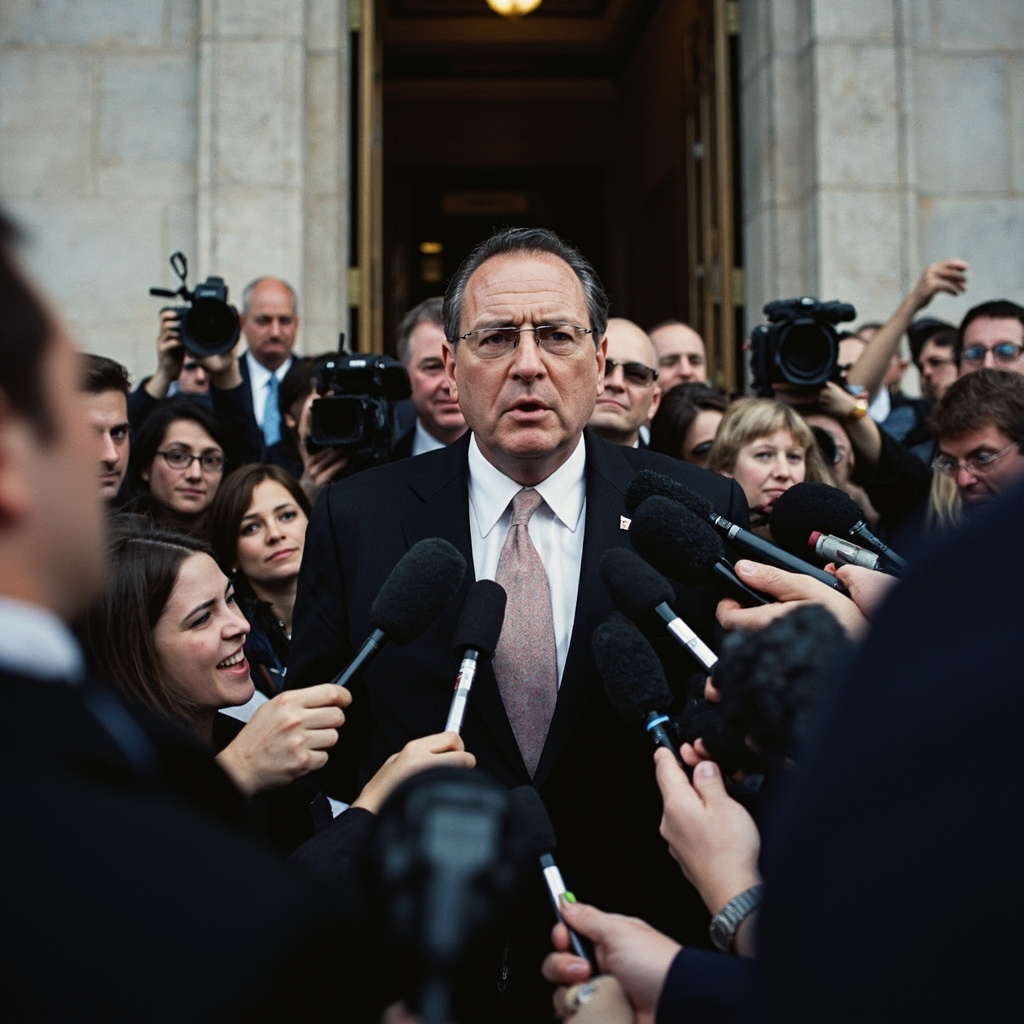
Don Lemon returned to federal court in Minneapolis on Tuesday for what his attorney Abbe Lowell called "the hearing that should end this case." It did not end, but it moved decisively in Lemon's direction. U.S. Magistrate Judge Douglas Micko ordered the government to complete all discovery disclosures by the end of March, a timeline prosecutors had sought to extend, and signaled deep skepticism about the legal theory underpinning the charges [1].
As we reported in our earlier coverage, the case against Lemon stems from his coverage of a January protest at a St. Paul, Minnesota church where congregants had sheltered undocumented immigrants facing ICE enforcement. Lemon, 59, was charged under federal civil rights statutes that his defense team argues were never intended to apply to journalists documenting a protest [2].
Lemon pleaded not guilty on February 13, appearing alongside four other defendants [3]. The judge at that initial hearing imposed no detention and approved Lemon's travel to France, an unusual leniency that prosecutors did not challenge -- a signal, legal observers said, that the government recognized the weakness of its position from the start [4].
The case has become the most closely watched press freedom matter in the United States. The Columbia Journalism Review published a detailed account of the legal defense strategy, noting that attorney Leita Walker is building a First Amendment challenge that could reach the Supreme Court if the government persists [5]. Newsweek reported that Lemon scored a significant legal win on February 26 when the judge limited the scope of the government's evidence and imposed a tight discovery timeline [6].
Tuesday's hearing reinforced the pattern. Prosecutors struggled to articulate how Lemon's presence at the church -- where he was livestreaming and interviewing participants -- constituted participation in a civil rights violation rather than coverage of one. Judge Micko asked repeatedly what distinguished Lemon's actions from those of any reporter at any protest.
Press freedom organizations have rallied behind the case. Emily Ramshaw, head of The 19th, said the arrests of Lemon and journalist Georgia Fort represent an "escalating threat" to democratic accountability. Mumia Abu-Jamal, the jailed journalist, issued a statement connecting the case to a broader crackdown on adversarial reporting under the Trump administration.
Lemon himself has remained publicly defiant. "I will not be intimidated," he said after his not-guilty plea, a line that has become a rallying cry for press freedom advocates. The next court date is set for April, when the judge is expected to rule on the defense's motion to dismiss. The case is not over. But it is failing.
-- ANNA WEBER, Minneapolis
Sources & X Posts
News Sources
X Posts