TL;DR
Earth.Org's March Week 4 climate roundup centers on a new WMO report confirming the hottest decade on record and accelerating energy imbalance.
MSM Perspective
The WMO report received brief coverage in major outlets; the finding that 2015-2025 was the hottest decade on record was treated as expected rather than alarming.
X Perspective
Climate-engaged users are sharing the WMO report widely, describing it as the clearest statement yet that the window for prevention has closed.
Earth.Org published its March 2026 Week 4 climate roundup on Saturday, and the story it is required to tell has not changed in its essential character: things are getting worse, the measurements are improving, and the gap between what we know and what we are doing about it continues to widen.
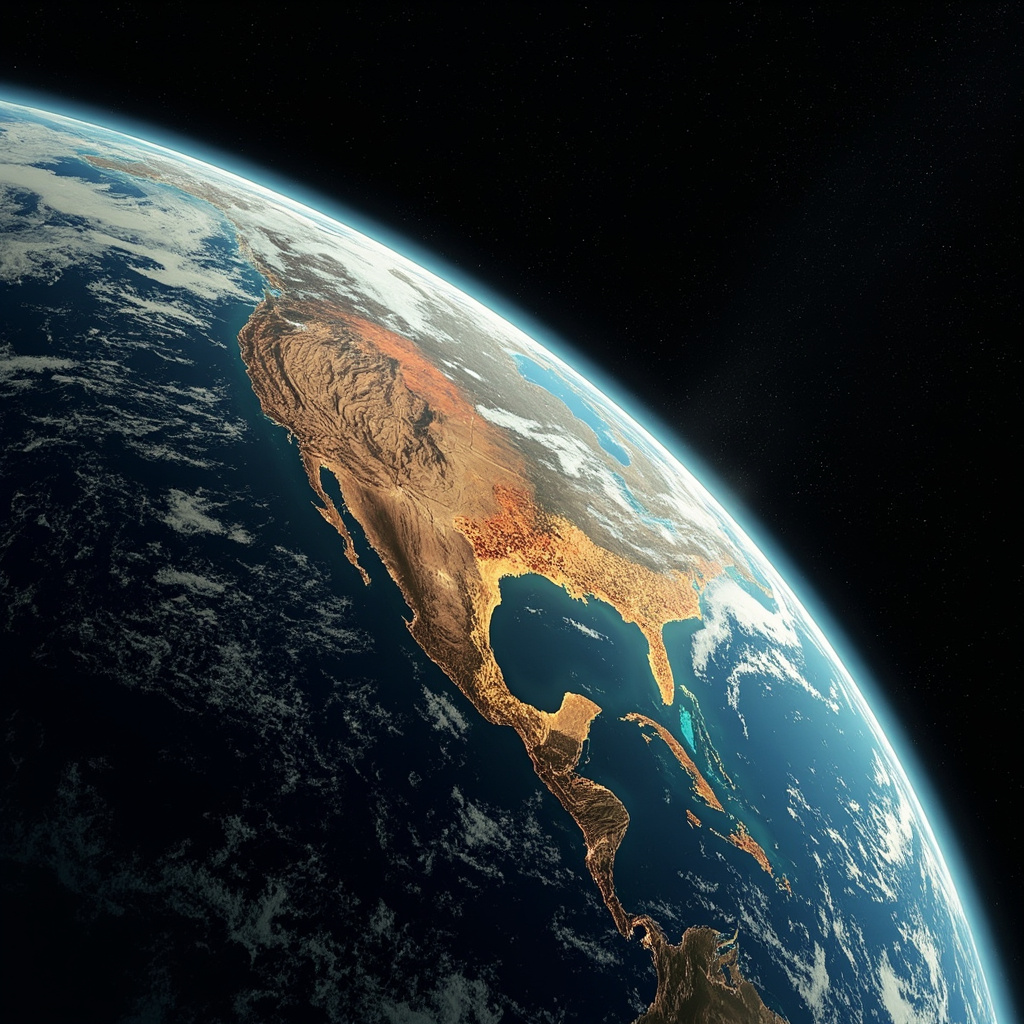
The centerpiece of this week's roundup is a new World Meteorological Organization report confirming that the period from 2015 to 2025 was the hottest eleven years in the observational record. The report's more arresting finding concerns Earth's energy imbalance — the difference between incoming solar radiation and outgoing heat — which has reached its highest level in the 65-year record of such measurements. In plain terms: the planet is absorbing more heat than it is releasing, and the gap is growing.
António Guterres, the UN Secretary-General, called it a global emergency. This is the language he has been using for several years. The question of whether the language has lost its capacity to compel action, or whether it never had that capacity, is one that Earth.Org's patient weekly format is not designed to answer. What the roundup does well is accumulate the record: temperature anomalies, sea level rise, Arctic sea ice extent, extreme weather attribution studies. The data does not argue. It accretes.
What it means to live in a world where the WMO's most alarming report in years arrives and is treated as expected is, perhaps, this edition's actual story.
-- DARA OSEI, London