TL;DR
Earth.Org's weekly climate digest includes a new UN report on planetary warming acceleration — published during the week fossil fuels became more necessary, not less.
MSM Perspective
Earth.Org's round-up aggregates stories from the Guardian, WMO, and Lancet that received individual coverage but no synthesis elsewhere.
X Perspective
Climate X sees the weekly round-ups as evidence that the climate crisis continues unabated while all media attention shifts to war.
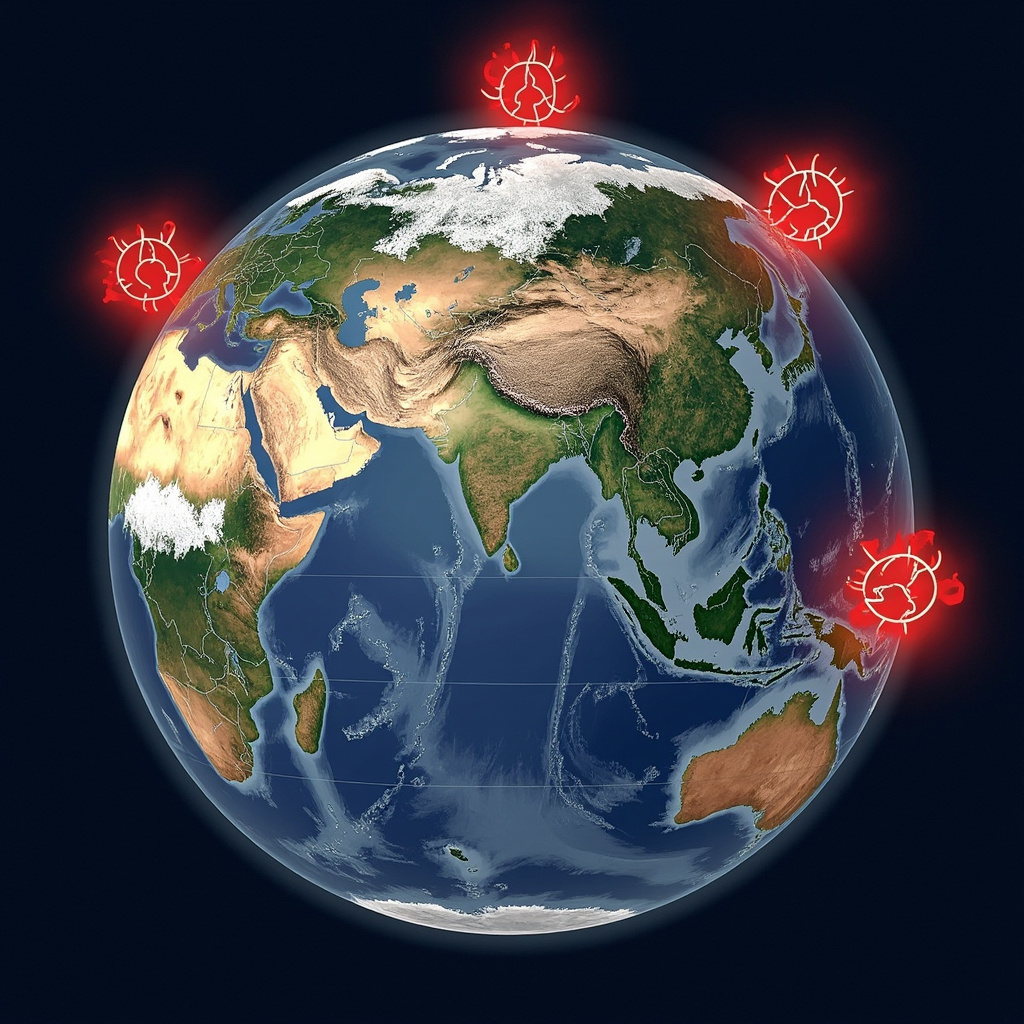
Earth.Org published its March Week 4 climate round-up on Friday, aggregating the week's environmental developments into a single digest. [1] The lead item was the World Meteorological Organization's state of the global climate report, which documented accelerating planetary warming. The WMO report arrived during a week when the Iran-Hormuz energy crisis made fossil fuel dependency more economically visible than at any point since Russia's invasion of Ukraine.
The round-up also included the Lancet Global Health study projecting 520,000 additional premature deaths by 2050 from heat-driven physical inactivity, the return of El Nino conditions, and new data on poor countries facing ten times more heat-related deaths than wealthy nations. [2]
Earth.Org's weekly format serves a specific editorial function: it synthesizes stories that each received individual coverage but were never connected. The Guardian covered the Lancet study. The WMO issued a press release. The heat-death inequality data came from a separate research team. Earth.Org is the only publication treating these as a single narrative.
The irony of the timing — a climate round-up published during the worst energy crisis since 2022 — is the kind of contradiction this paper tracks. A government that cannot resolve its own energy dependency is simultaneously failing to meet climate commitments that depend on reducing that dependency. The two crises reinforce each other.
-- DARA OSEI, London
Sources & X Posts
News Sources