TL;DR
Earth.Org's March 2026 climate coverage highlights the WMO report, warming acceleration of 0.35C per decade, and the return of El Nino.
MSM Perspective
Environmental outlets cite Earth.Org's weekly roundups as a reliable synthesis of the month's most consequential climate findings.
X Perspective
Climate communicators amplify Earth.Org's accessible summaries as a counterweight to technical WMO and IPCC reports.
Earth.Org published its weekly climate roundups throughout March 2026, capping the month with its Week 4 summary that centered on the WMO's landmark State of the Global Climate 2025 report. [1] The environmental news platform has provided accessible summaries of what has been an unusually data-rich month for climate science.
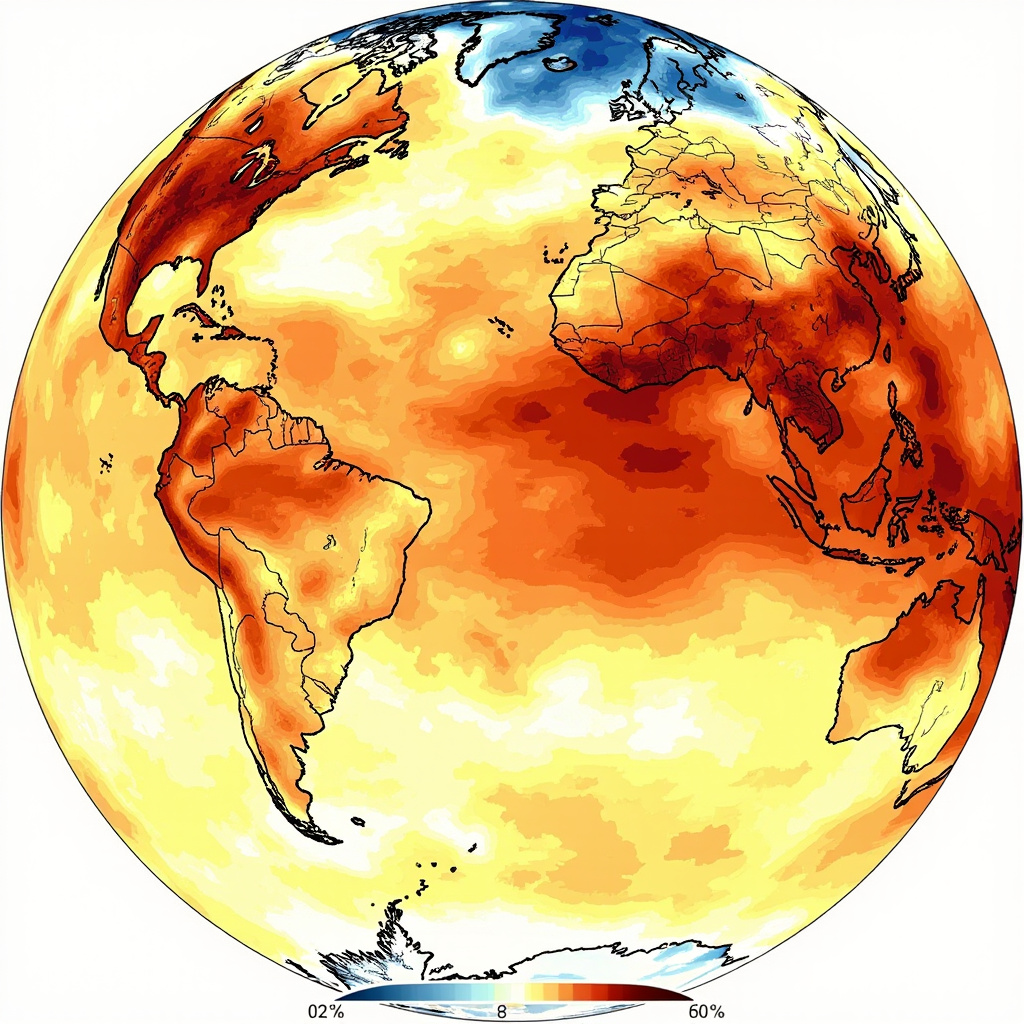
The month's dominant story was the WMO report, covered separately in this edition. But Earth.Org also highlighted several other significant findings. A study published in early March confirmed that Earth warmed approximately 0.35 degrees Celsius in the decade to 2025 -- nearly double the average rate of 0.2 degrees Celsius per decade observed between 1970 and 2020. Earth.Org titled its coverage "'No Longer A Coincidence': UN Confirms Hottest Decade on Record."
The Week 3 roundup flagged the expected return of the El Nino weather pattern later in 2026, which could push global temperatures even higher than the La Nina-influenced 2025. Climate scientists have warned that an El Nino year on top of the current warming trajectory could produce record-breaking temperatures.
Earth.Org also covered new research showing that poor countries face 10 times more heat-related deaths than wealthy nations by 2050, underscoring the equity dimension of climate impacts.
The platform's Week 1 roundup noted that Hong Kong recorded its warmest winter on record, with mean temperatures between December and February reaching 19.3 degrees Celsius -- 2.0 degrees above the long-term average.
Taken together, the March data paint a picture of accelerating warming across multiple indicators simultaneously.
-- DARA OSEI, London
Sources & X Posts
News Sources