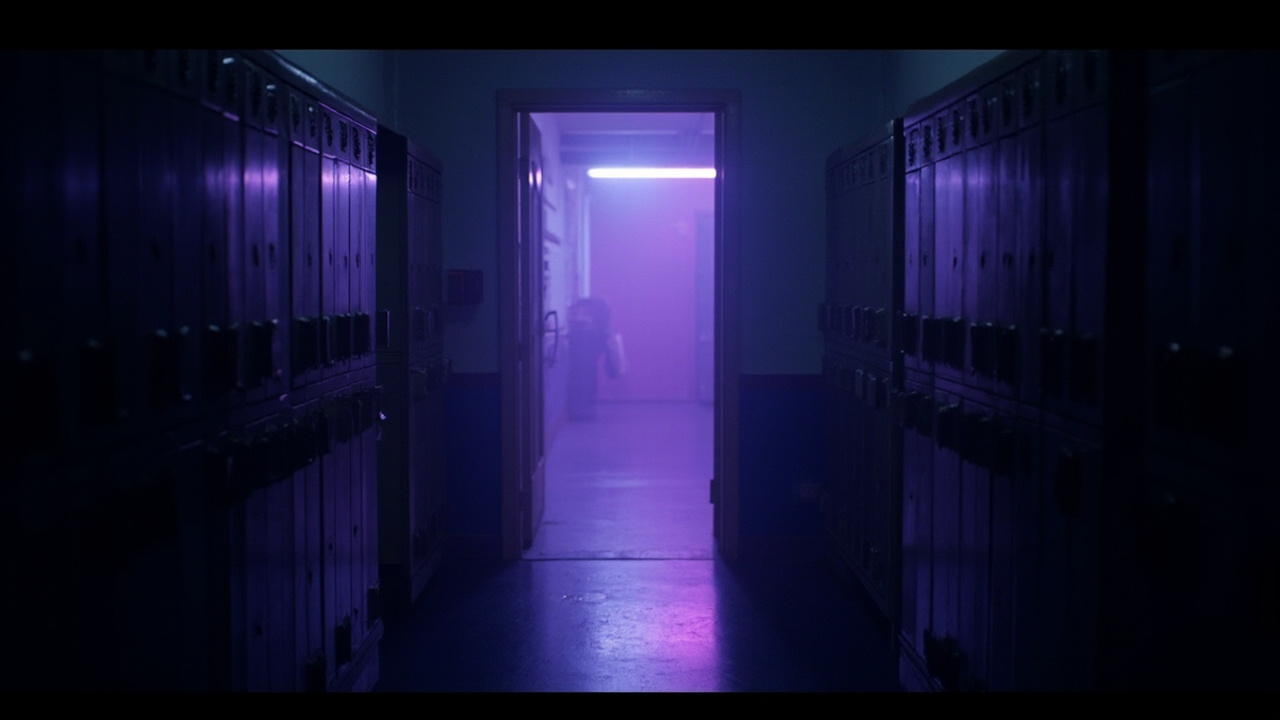
As this paper noted yesterday, Euphoria returns to HBO on April 12 after a four-year absence -- the longest gap between seasons of any currently running prestige drama. The eight-episode third season features a five-year time jump, moving its characters out of high school and into the terrain of early adulthood. [1] Zendaya returns as Rue, alongside Sydney Sweeney, Hunter Schafer, and Alexa Demie. New additions include Sharon Stone, Rosalia, and Natasha Lyonne. [2]
The trailer numbers suggest the audience did not forget. The second trailer, released this week, drew 157 million views within 48 hours -- a record for HBO content. [3] HBO has paired the premiere with a first-of-its-kind screening at Coachella, treating the return as a cultural event rather than a standard television launch. [4] The marketing muscle is unmistakable. HBO needs Euphoria to perform.
But the question the numbers cannot answer is whether a show that defined a cultural moment in 2022 can recapture it in 2026. When Season 2 aired, Euphoria was inescapable -- its aesthetics dominated TikTok, its cast became fashion icons, its depiction of teenage addiction sparked both praise and controversy. The show existed at the intersection of youth culture and prestige television in a way nothing else did. That was four years ago. The audience that made Euphoria a phenomenon was 17 to 24. They are now 21 to 28. They have lived through a pandemic's aftermath, an economic downturn, and now a war. The show must meet them where they are, not where they were.
Creator Sam Levinson's decision to rewrite the scripts during the hiatus -- reportedly scrapping an entire draft -- suggests he understood this. [1] The five-year time jump is the structural acknowledgment: the characters and the audience have moved on, and the show must move with them. Rue is no longer a teenager navigating addiction. She is a young woman living with the consequences of the choices the first two seasons chronicled. The shift from chaos to consequence is Euphoria's gamble.
The competitive landscape has also changed. April 2026 is one of the most crowded streaming months in recent memory: The Boys returns April 8, Malcolm in the Middle's revival drops April 10, and Netflix is unloading Dan Levy's Big Mistakes and a string of documentaries throughout the month. Euphoria is not arriving to an empty field. It is arriving to a war for attention, which is the only kind of war streaming platforms understand.
The four-year gap has been catastrophic for other shows. Westworld never recovered its audience after a two-year hiatus. Stranger Things saw diminishing returns with each delay. The counter-example is Curb Your Enthusiasm, which thrived across multi-year breaks, but Curb's audience was older and loyal in a way streaming-era audiences are not.
Euphoria's return will answer a question the industry needs answered: can a show that went supernova in the short-attention-span era reignite after a four-year absence? The 157 million trailer views say yes. The fragmented streaming landscape says maybe. April 12 will say for certain.
-- CAMILLE BEAUMONT, Los Angeles