TL;DR
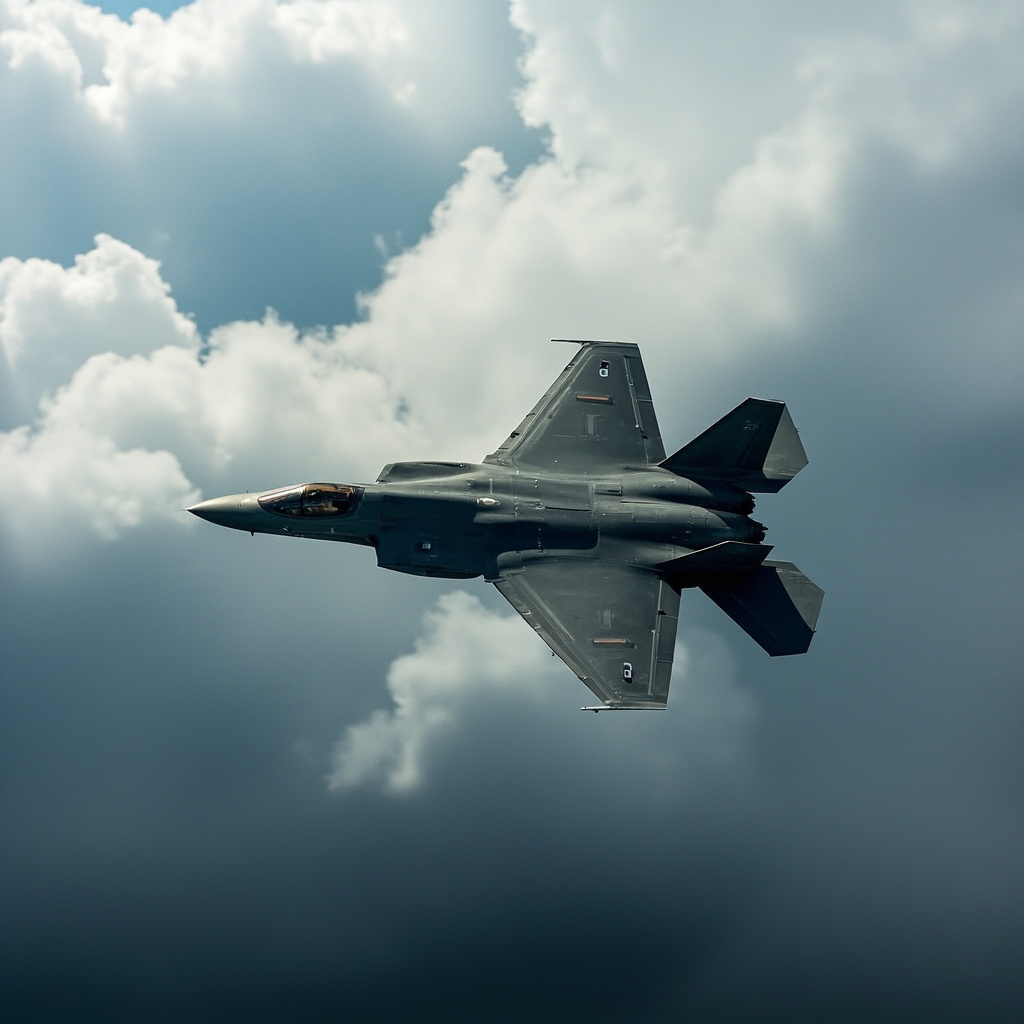
IRGC released footage claiming to show an F-35 being struck over Iran. The aircraft made an emergency landing. The pilot survived. The debate over what this means for stealth doctrine and the most expensive weapons program in history is furious.
MSM Perspective
Al Jazeera confirmed the emergency landing. CENTCOM confirms the landing but not the strike. CNN, citing two US officials, reports the aircraft was likely hit by Iranian air defenses. The IRGC footage is being analyzed frame by frame across defense and aviation outlets.
X Perspective
Aviation accounts split between those calling stealth obsolete and those noting the pilot survived — the first combat hit on an F-35 in eleven years of service. 'Stealth is dead' trended for 11 hours. Aerospace-credentialed accounts pushed back with detection-range math. The survivability debate is unresolved and deeply technical.
The IRGC posted the footage at 11:47 AM Eastern.
A grainy video, allegedly taken from an Iranian air defense system, showing an object in flight — then a flash, then what appeared to be debris. Iranian state media put it out with a statement: we struck a US F-35 Lightning II over Iranian territory.
The post spread instantly.
"STEALTH IS DEAD," posted @AviationBrat with 85,000 followers. 14,000 likes in an hour.
"The F-35 has been in operational service since 2015 and this is the first confirmed combat hit," replied someone with an aerospace background. "That's actually a remarkable record for a stealth aircraft in a high-threat environment."
Ratio.
What Actually Happened
The F-35 made an emergency landing at a regional US airbase Thursday after completing a combat mission over Iran. The pilot landed safely and is in stable condition, said Captain Tim Hawkins, a CENTCOM spokesman. [1]
That's the confirmed part. Everything else is contested.
CENTCOM would only say: "We are aware of reports that a US F-35 aircraft conducted an emergency landing at a regional US airbase after flying a combat mission over Iran. This incident is under investigation." [1]
The IRGC says they hit it. CNN, citing two US officials briefed on the incident, reports the aircraft was likely hit by Iranian air defenses. [1] Whether it was a missile, debris, or something else — nobody outside that briefing knows for certain.
The aircraft is estimated to cost up to $100 million depending on configuration. [1]
The Stealth Debate
Here's why this matters beyond one aircraft:
Although F-35 stealth fighters have been in operational service since 2015 and first used in combat in 2018, there have been no confirmed cases of one being struck by enemy fire. [1] The aircraft's stealth coating and shaping are designed to defeat radar detection — not to be invulnerable to all threats at all altitudes and approach vectors.
Air defense analysts have noted for years: low-frequency radars, infrared search-and-track systems, and volume of fire can all degrade stealth effectiveness. [1] The desert sand and heat of an Iranian combat environment are also punishing on advanced aircraft.
"Stealth reduces detection range, it doesn't eliminate it," posted one former Air Force analyst. "In a high-density air defense environment like Iran, you're playing odds."
Since February 28, approximately 12 MQ-9 Reaper drones have been lost — suggesting the Iranian air defense environment remains more capable than pre-war assessments may have assumed. [1]
The Program Questions
The F-35 program has delivered more than 900 aircraft to US and allied services. It's among the most expensive in defense history. Thursday's incident will generate months of analysis about what it means for the aircraft's survivability in high-threat environments — the exact scenario it was designed to operate in.
The timing: earlier Thursday, Defense Secretary Pete Hegseth had reiterated US air superiority over Iran was holding. General Dan Caine, Chairman of the Joint Chiefs, acknowledged Iran retained some missile capabilities. [1] That acknowledgment reads differently after an F-35 makes an emergency landing.
Lockheed Martin has not commented.
X will keep arguing about it.
— SAMUEL CRANE, Washington