TL;DR
The Fed held at 3.25-3.75% in March and faces a trap: cutting risks embedding oil-driven inflation, raising risks tipping a war-stressed economy into recession.
MSM Perspective
Reuters and USA Today covered the March 18 hold decision; the futures market's shift toward pricing a hike — not a cut — has emerged as the bigger story.
X Perspective
X's financial community is debating whether the Fed's paralysis is wisdom or cowardice — futures markets now price a 52% chance of a rate hike by year-end.
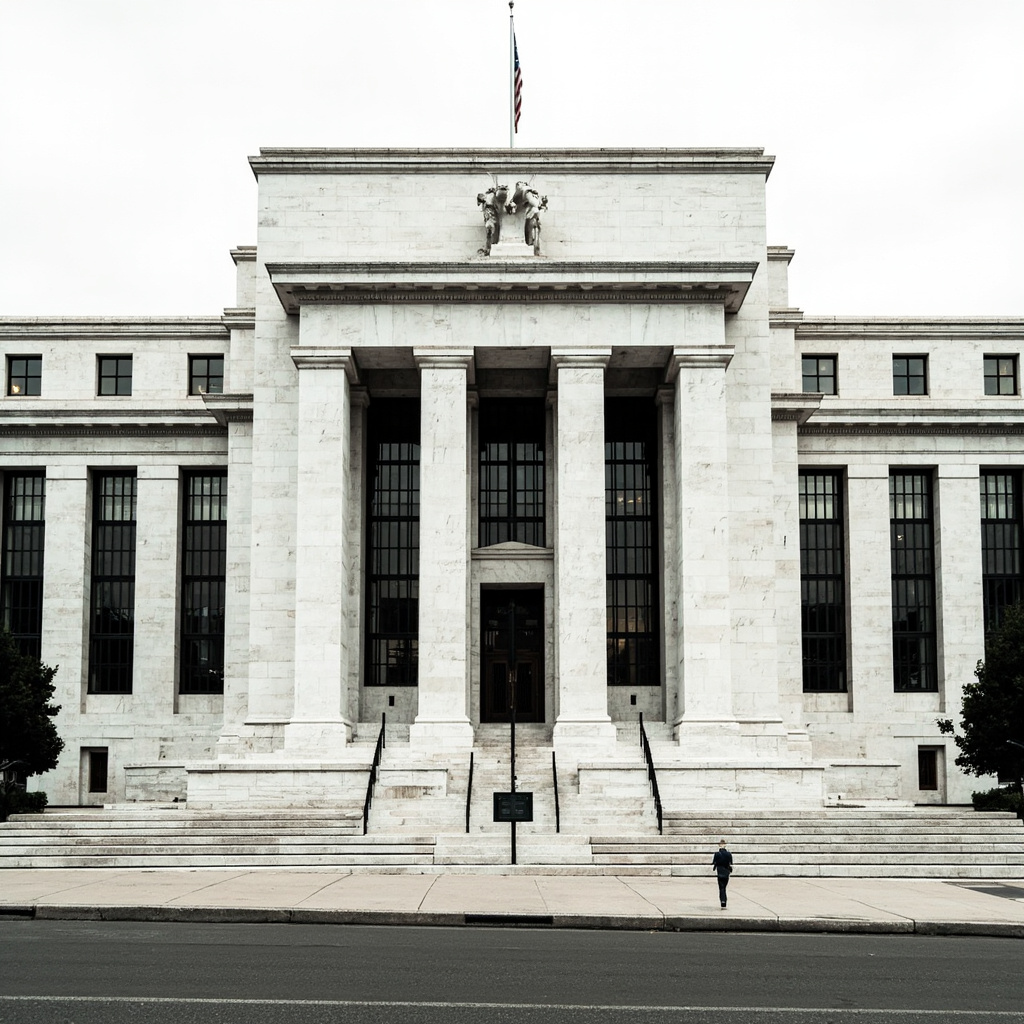
The Federal Reserve held its benchmark rate at 3.25-3.75 percent at its March 18 meeting, citing uncertainty from the Iran war and rising oil prices. It was the expected decision. The subsequent twelve days have made the Fed's position worse, not better. [1] [2]
Oil is now above $102. Gas has crossed $4 nationally for the first time since 2022. The futures market, which as recently as February was pricing two rate cuts in 2026, has shifted: traders now assign a 52 percent probability to a rate hike by year-end. [3] The Fed projected one cut in 2026 at its March meeting. The market has repriced past that projection in the opposite direction. [1]
This paper reported the March 18 hold as a decision made under conditions the Fed called "highly uncertain." Those conditions have not resolved. They have sharpened into a specific trap: cutting rates would accelerate inflation that $102 oil and $4 gas are already generating; raising rates would add a recession risk to an economy already absorbing a war-driven energy shock.
Powell's characterization — "well positioned to wait" — was accurate on March 18. It becomes less accurate as each week without resolution makes the Hormuz disruption more structural and less temporary. A temporary oil shock can be looked through. A permanent one cannot. The question the Fed's next meeting must answer is whether $107 Brent is a spike or a floor. [2] [4]
The evidence accumulating since March 18 suggests it is a floor. The April 6 deadline is seven days away. If it extends again, the Fed's "wait" posture collides with a quarterly inflation print that will require a response.
-- HENDRIK VAN DER BERG, Brussels
Sources & X Posts
News Sources