TL;DR
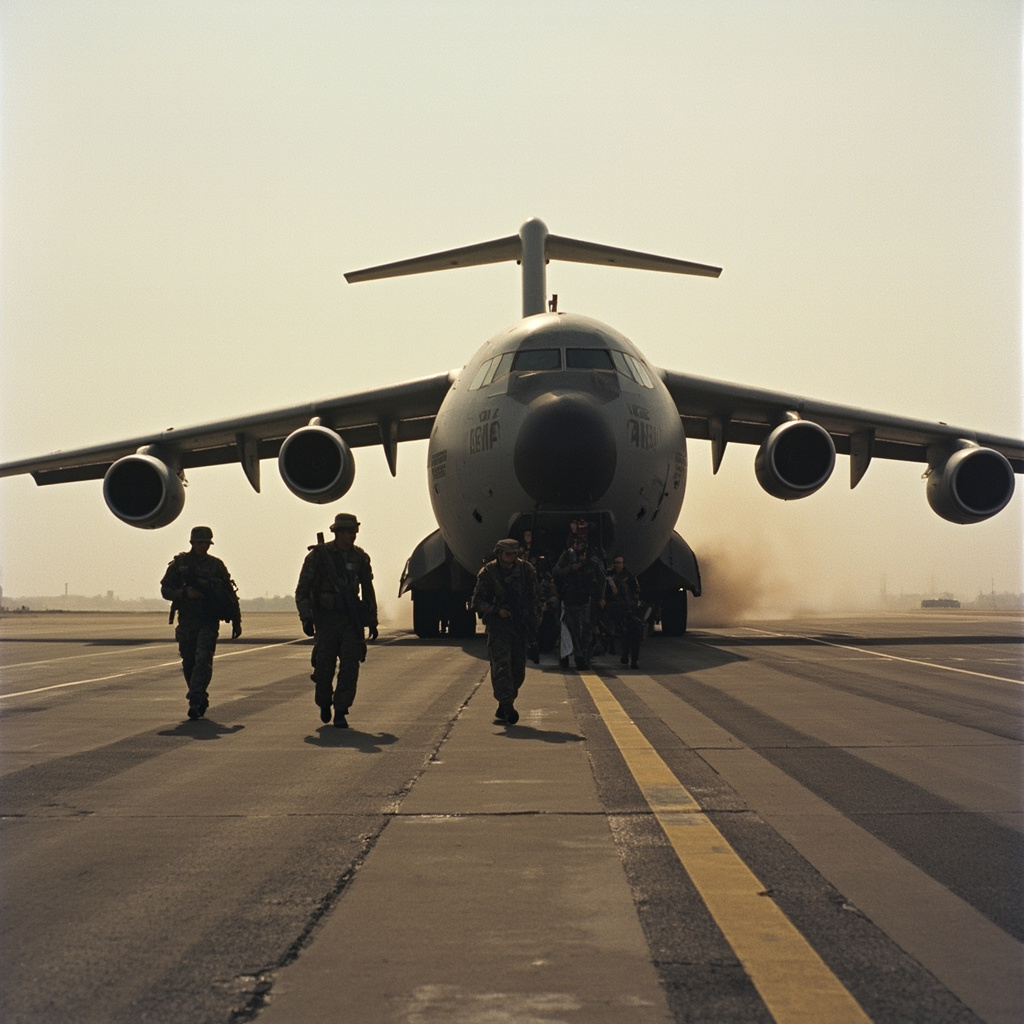
Approximately 5,000 Marines from the 11th and 31st MEUs and soldiers from the 82nd Airborne Division are deployed to the Iranian theater.
MSM Perspective
Pentagon reporters note the troop deployment is the largest since Iraq, with the 82nd Airborne's involvement signaling rapid-deployment contingencies.
X Perspective
Military trackers see the 82nd Airborne deployment as preparation for a Kharg Island seizure operation, consistent with Trump's FT interview.
Approximately 5,000 U.S. Marines from the 11th and 31st Marine Expeditionary Units are now in the Persian Gulf region, joined by soldiers from the 82nd Airborne Division, according to Pentagon reporting confirmed by CBS News and multiple defense correspondents [1].
The deployment represents the largest concentration of American ground forces in the Middle East since the Iraq War drawdown. The 82nd Airborne — the Army's primary rapid-deployment division — was ordered to deploy in mid-March, with roughly 2,000 to 3,000 soldiers moving to the theater. Combined with Marine forces already in position, total U.S. ground strength exceeds 50,000 troops when naval and support personnel are included.
The force composition tells a story. The 82nd Airborne specializes in airfield seizure and rapid vertical envelopment — exactly the capability needed for an operation against Kharg Island, Iran's primary oil export terminal. The Marine Expeditionary Units provide amphibious assault capability. Together, they represent a combined-arms package for contested littoral operations.
Trump's Financial Times interview Monday, in which he floated "taking the oil in Iran" and specifically mentioned Kharg Island, provides the political context for a military capability that is already in position. No final decision on ground operations has been announced, but the force structure is consistent with planning for such operations.
The Pentagon has not commented on specific operational plans. Defense officials have stated only that forces are positioned to "protect American interests and allies in the region."
The troops are in position. The question is what they are positioned for.
-- SAMUEL CRANE, Washington
Sources & X Posts
News Sources