TL;DR
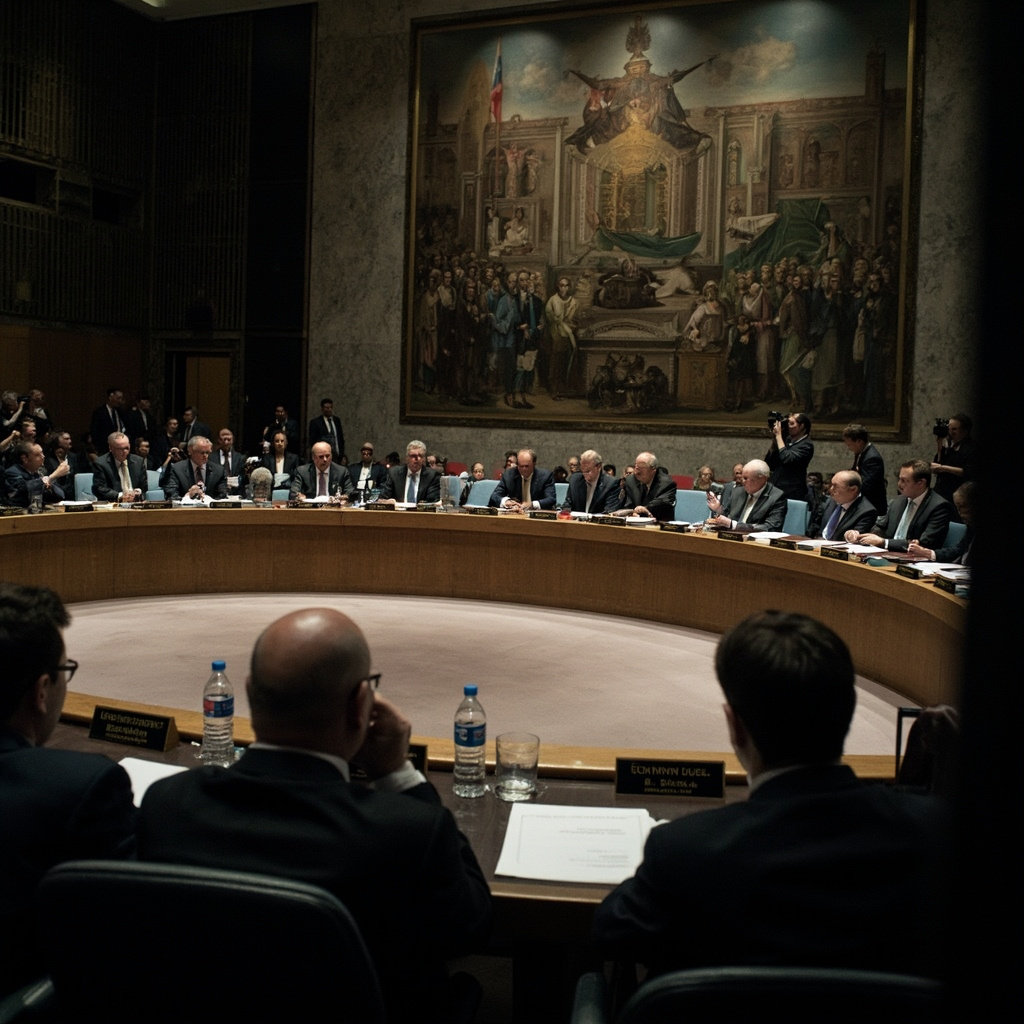
France requested an emergency UN Security Council meeting Monday after three UNIFIL peacekeepers were killed in southern Lebanon.
MSM Perspective
Diplomatic press treats the French request as a significant escalation in European opposition to the conduct of the war, particularly regarding civilian protection.
X Perspective
The UNSC meeting will accomplish nothing — the US holds the presidency and will block any binding resolution, making the exercise purely symbolic.
French Foreign Minister Jean-Noel Barrot requested an emergency United Nations Security Council meeting Monday after three UNIFIL peacekeepers were killed in southern Lebanon, bringing total peacekeeper casualties to unprecedented levels since the force's establishment [1].
The three peacekeepers died when an "explosion of unknown origin" destroyed their position in southern Lebanon, according to UNIFIL's official statement. The deaths follow a pattern of escalating dangers to the 10,000-strong peacekeeping force as fighting between Hezbollah and Israel intensifies in parallel with the broader Iran war.
"The safety and security of UN peacekeepers must be fully respected at all times, in accordance with international law. Any harm to peacekeepers is unacceptable," Barrot said in his formal request. Canada joined France in condemning the killings, calling them "a grave violation of international law".
The emergency meeting faces an immediate structural obstacle: the United States holds the Security Council presidency for March 2026. Any binding resolution condemning attacks on peacekeepers or demanding a ceasefire would require American abstention at minimum, which is unlikely given Washington's active role in the conflict.
Nine Lebanese soldiers have also been killed since March 2 in Israeli strikes on Lebanon, further complicating the security environment for international forces.
France contributes troops to UNIFIL and has historically treated attacks on peacekeepers as a red line. The emergency request signals that Paris is moving from quiet concern to overt diplomatic opposition — a trajectory that parallels Spain's airspace decision and Belgium's parliamentary debate.
-- CHARLES ASHFORD, Paris
Sources & X Posts
News Sources