TL;DR
Qatar's helium exports died with the Hormuz blockade — now hospitals worldwide face MRI scan delays because the magnets need liquid helium to function.
MSM Perspective
Al Jazeera and Euronews reported the helium supply crunch as a direct consequence of the Hormuz blockade, with healthcare and semiconductor industries both at risk.
X Perspective
X science and healthcare accounts are calling helium 'the war casualty nobody talks about' — a gas most people associate with party balloons is now a critical medical supply chain failure.
The war in Iran has produced an unexpected medical casualty: liquid helium, the invisible gas that keeps hospital MRI machines running.
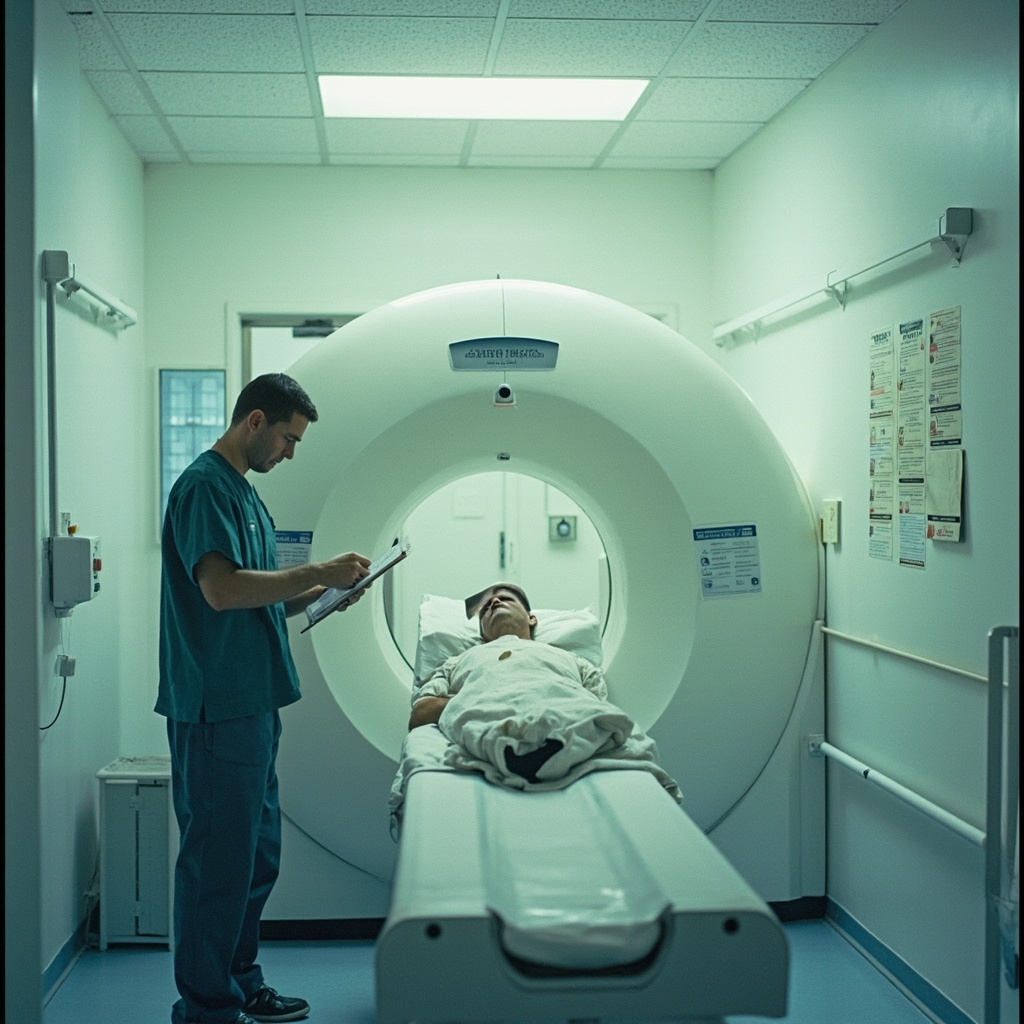
Most MRI scanners require approximately 1,500 liters of liquid helium to cool their superconducting magnets to near absolute zero — minus 269 degrees Celsius. Without helium, the magnets cannot function. Qatar is one of the world's largest helium producers, and its exports were effectively halted when Iran closed the Strait of Hormuz in early March [1].
The impact is now reaching hospitals. In India, where thousands of MRI machines depend on imported helium, facilities are reporting scan delays and rising costs. Manufacturers have warned of supply disruptions within 15-20 days of their current inventory [2]. European hospitals face similar pressure, with Euronews reporting that the supply crunch "puts MRI services at risk" across the continent [3].
Helium prices have roughly doubled since the war began. The gas cannot be synthesized — it is extracted from natural gas deposits, and Qatar's reserves are among the world's largest. With the Strait of Hormuz effectively blocking maritime exports from the Persian Gulf, the world's helium supply chain has a chokepoint problem identical to its oil supply chain [4].
Newer MRI machines use "zero boil-off" technology that recycles helium, reducing dependency. But the vast majority of installed MRI scanners worldwide are older models that require regular helium refills. For those machines, and the patients waiting for scans, the war is no longer abstract [5].
-- Nora Whitfield, Chicago
Sources & X Posts
News Sources
X Posts