TL;DR
The Iran war disrupted Qatar's helium exports, doubling prices and threatening MRI availability at hospitals worldwide.
MSM Perspective
Medical and business outlets tracked the supply chain from Qatar's disrupted exports to hospital radiology departments.
X Perspective
X users warned that no helium means no MRI machines, connecting the war directly to diagnostic healthcare.
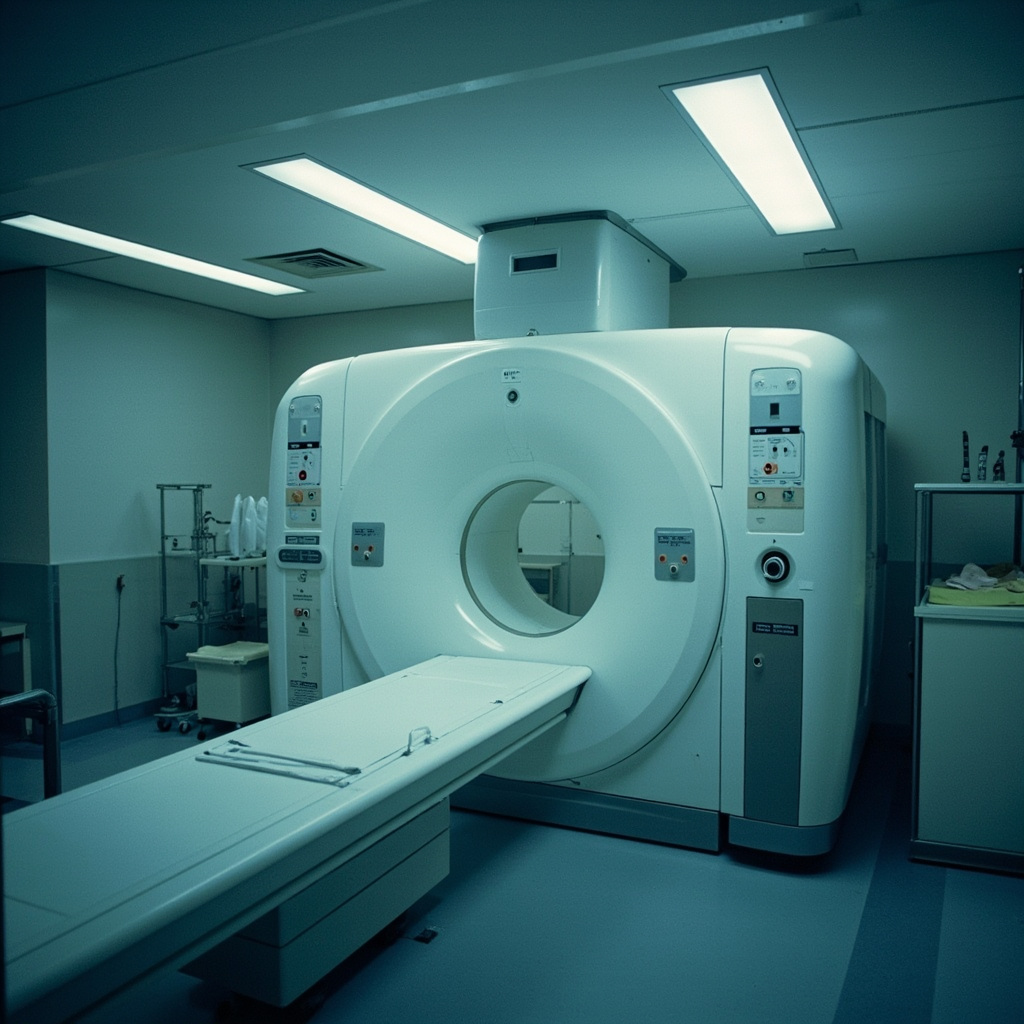
The supply chain that keeps an MRI machine running is, under normal conditions, invisible. Liquid helium cools the superconducting magnets that make magnetic resonance imaging possible. Without helium, the magnets warm, the machine shuts down, and a diagnostic tool that costs a hospital between $1 million and $3 million becomes a very expensive piece of furniture.
In late March 2026, that supply chain became visible. Qatar, the world's second-largest helium producer, had seen its exports disrupted by the broader Strait of Hormuz crisis. Shipments were expected to fall by approximately 14 percent, amounting to a loss of more than 300,000 cubic feet [1]. Helium prices had doubled since early 2026. Indian MRI manufacturers warned they had barely 15 to 20 days of inventory left [2].
Al Jazeera reported on March 26 that the war between the U.S., Israel, and Iran could cause MRI scan delays globally, connecting the military conflict to its downstream medical consequences for the first time in mainstream coverage [3]. Forbes followed with a piece noting that higher helium prices could make "MRIs relatively unaffordable compared to a year ago" [4].
The physics of the problem were unforgiving. MRI magnets operate at roughly 4 Kelvin, or minus 269 degrees Celsius. Maintaining that temperature requires a continuous supply of liquid helium. While newer MRI systems use less helium than older models, the installed base of machines worldwide still depends on regular refills. Gasworld, an industry publication, urged MRI owners to check their magnet and helium inventory immediately, calling the situation "critical" [5].
The geography of helium production made the shortage particularly acute. The United States produced more helium than any other country, but much of its output went to domestic industrial and semiconductor use. Qatar's helium plants, co-located with its massive LNG facilities, had historically supplied the surplus that kept global medical imaging running. With Qatari exports constrained, hospitals in India, Southeast Asia, and parts of Europe found themselves competing for a shrinking pool.
On X, the connection between war and healthcare was drawn with increasing urgency. One widely shared thread calculated that at current disruption rates, helium prices could reach $2,000 or more per thousand cubic feet, roughly four times early-2026 levels [6]. Another post noted that "ASML's EUV scanners will be the last machines on Earth to lose helium. Party balloons will be the first to go." Between balloons and semiconductor fabrication sat the hospital radiology department.
The Radiology Business trade publication reported that some providers were already rationing scans, prioritizing urgent diagnostic imaging over routine screenings [6]. This was, in practical terms, the beginning of triage driven not by medical judgment but by commodity scarcity.
Helium is not manufactured. It is extracted from natural gas deposits. It cannot be synthesized or substituted in MRI applications. The shortage would last as long as the supply disruption lasted, and the supply disruption would last as long as the war lasted.
-- Priya Sharma, Mumbai
Sources & X Posts
News Sources
X Posts