TL;DR
Twenty-three million cubic meters of magma have accumulated beneath Svartsengi — the largest volume since the eruption sequence began — and the threshold keeps rising.
MSM Perspective
The Icelandic Meteorological Office confirms the magma volume is the highest recorded since eruptions began in 2023, while Iceland Monitor notes the eruption threshold has risen.
X Perspective
Volcano tracking accounts are posting daily accumulation charts — the consensus is that this will be the largest eruption in the sequence when it finally breaks through.
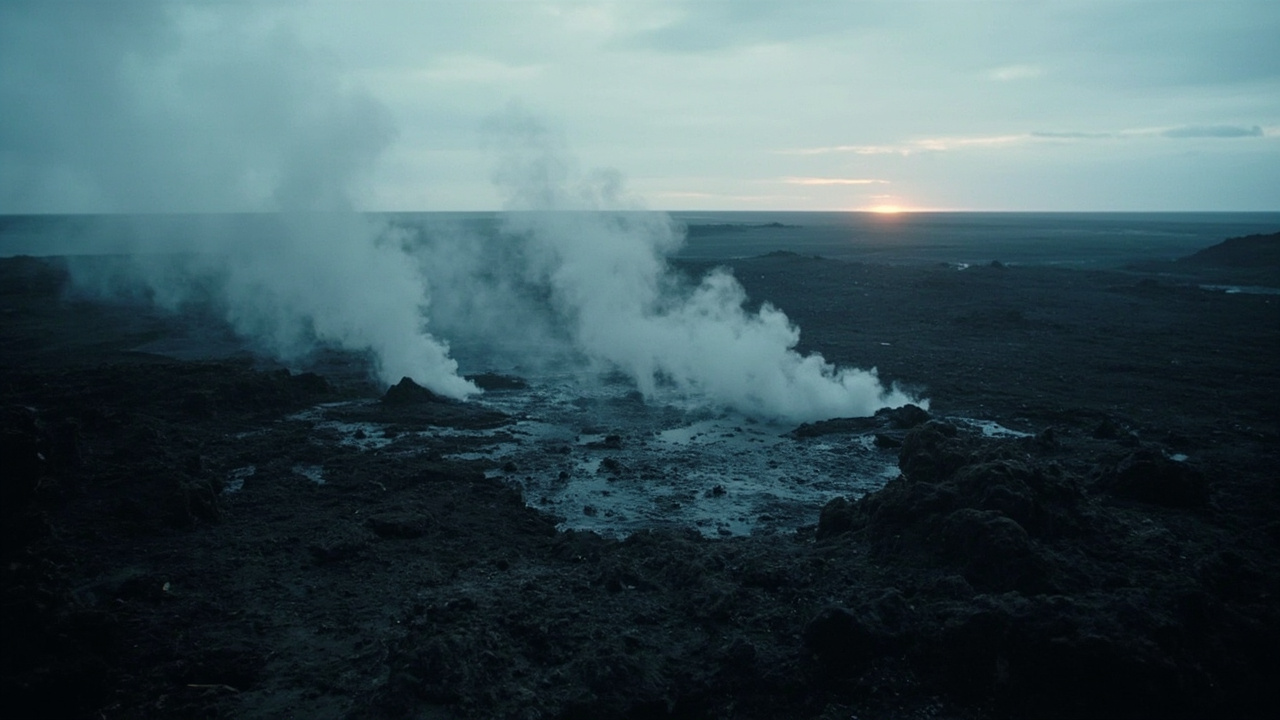
The magma beneath Svartsengi continues to accumulate. The Icelandic Meteorological Office estimates approximately 23 million cubic meters have gathered since the last eruption — the largest volume recorded since the Reykjanes Peninsula eruption sequence began in 2023. [1]
The number is significant for what it implies. In earlier cycles, eruptions occurred at lower magma volumes. The eruption threshold has risen since March 2024, meaning more magma is now required to break through the crust. Each successive pause allows additional material to accumulate, and each successive eruption has the potential to be larger than its predecessor. [2]
The inflow rate is slow but constant — roughly half a million cubic meters per day. Scientists at IMO have emphasized the uncertainty: with slow accumulation, predicting timing becomes more difficult. The breakout could come in days. It could take weeks.
The Reykjanes Peninsula has been watching this cycle for over two years. Grindavik, the town nearest the volcanic system, was evacuated in late 2023 and has not been fully reoccupied. The Blue Lagoon tourist facility has operated on an intermittent closure protocol. The infrastructure for managing eruptions is practiced. The wait for the next one is not comfortable.
-- Hendrik Van Der Berg, Brussels
Sources & X Posts
News Sources