TL;DR
West Asia conflict has disrupted helium supply to India, leaving hospitals with days of MRI coolant remaining.
MSM Perspective
Mainstream outlets report supply fears are real but note helium-free MRI technology may ease long-term pressure.
X Perspective
Indian medtech observers say the crisis exposes dangerous dependence on imported helium for critical diagnostics.
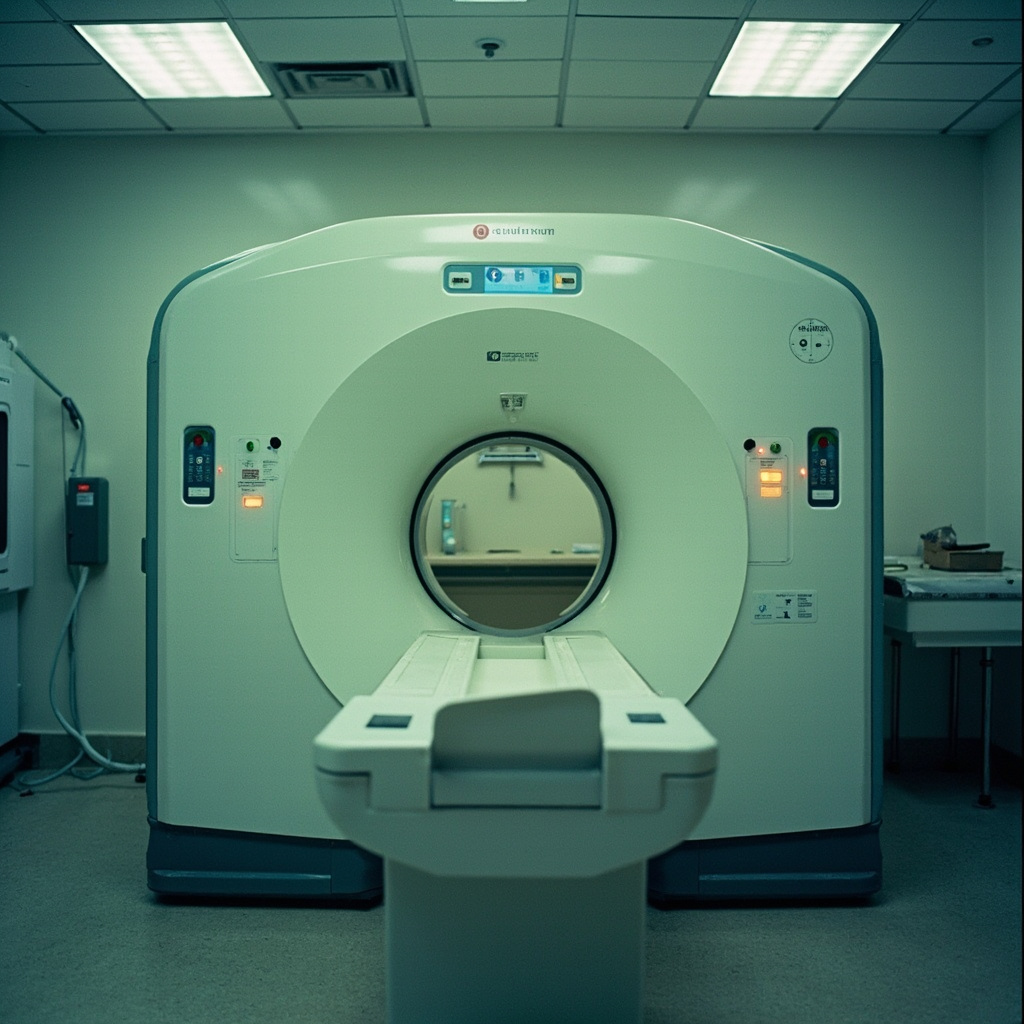
India's hospitals and diagnostic centers are running dangerously low on liquid helium, the essential coolant for MRI superconducting magnets, as West Asia conflict disrupts global supply chains. Some facilities report reserves measured in days rather than weeks [1].
Helium prices have roughly doubled since tensions escalated, and the supply squeeze is already pushing up MRI scan costs for patients across the country [2]. The Financial Express reports that liquid helium supply snarls have hit both the healthcare and semiconductor sectors simultaneously [3]. India imports nearly all of its medical-grade helium, with Qatar and other Gulf producers accounting for a major share of supply.
The situation is compounded by a physical constraint: helium evaporates in approximately 45 days, making long-term stockpiling impractical. Hospitals that cannot secure regular refills face the prospect of shutting down MRI machines entirely, forcing patients to seek scans at facilities that still have supply.
There are signs of a structural shift. India's first fully indigenous helium-free 1.5T MRI scanner, developed by Bengaluru-based VoxelGrids Innovations, was unveiled in late 2025, and manufacturers like Philips and Siemens report surging orders for their dry-magnet systems. India Today reported that some analysts believe the fears may be overblown for the broader MRI network, though individual facilities are clearly feeling the pinch [4].
For now, the crisis underscores India's vulnerability in a supply chain it does not control.
-- Priya Sharma, New Delhi
Sources & X Posts
News Sources