TL;DR
Indian hospitals face 15-20 days of helium inventory as West Asia tensions disrupt Qatar's Ras Laffan supply hub, threatening MRI diagnostic services.
MSM Perspective
Indian financial media is covering the cost angle; the humanitarian dimension of potential MRI disruptions for rural and lower-income patients is largely absent.
X Perspective
The helium shortage story illustrates how wars fought in one region become healthcare crises in another — a supply chain lesson in human cost.
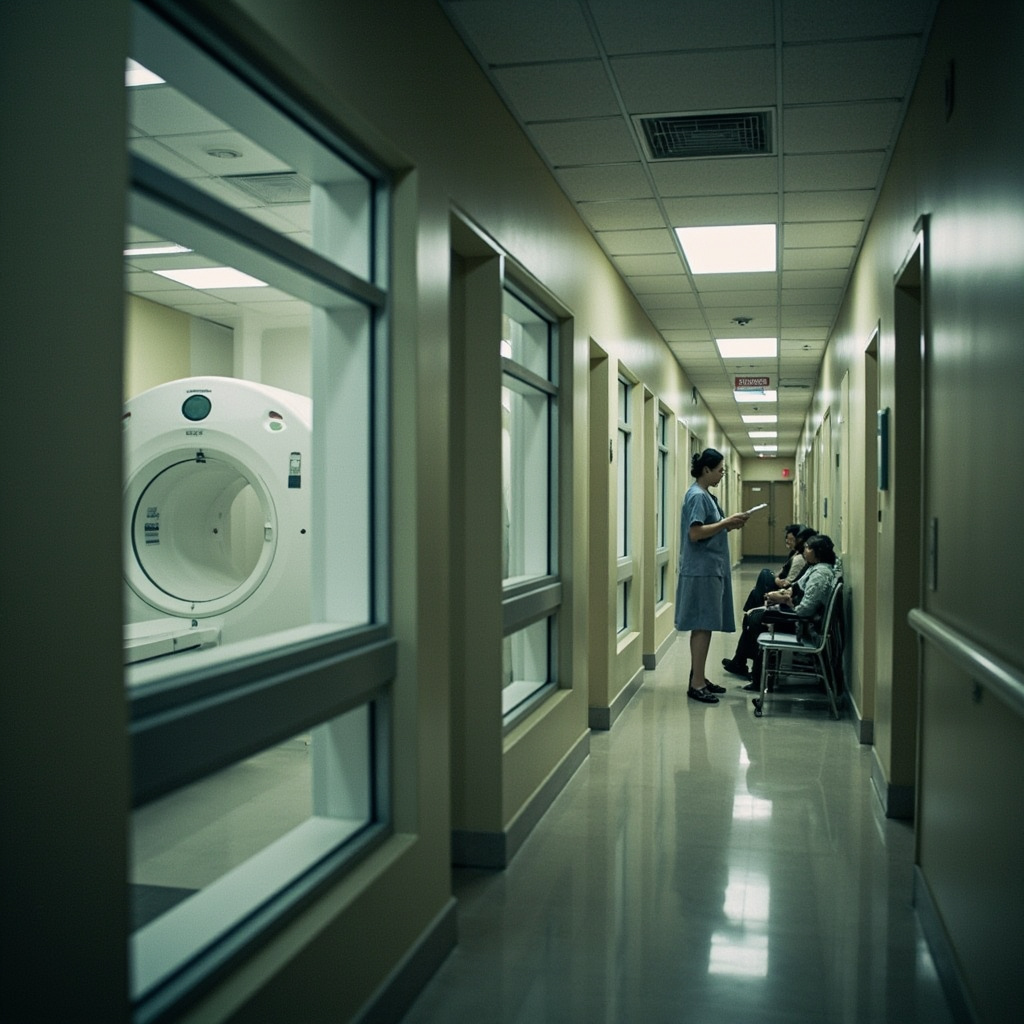
Indian hospitals are operating with approximately 15 to 20 days of liquid helium inventory, and the geopolitical arithmetic that produced this situation has not improved. Disruptions at Qatar's Ras Laffan processing hub — linked to the ongoing conflict in West Asia — have tightened global helium supply chains, and India's 5,000 to 7,000 MRI machines, which rely on liquid helium to cool their superconducting magnets to near absolute zero, are now acutely vulnerable.
The situation is not yet a crisis in the sense that MRI services have ceased. Industry sources contacted by Indian media have been cautious, noting that most hospitals maintain some buffer stock and that the disruption has not yet resulted in machines going offline. But 15 to 20 days is not a comfortable margin. MRI machines cannot simply be switched to another coolant. Helium is not substitutable at scale. When the magnet warms, the machine quenches — a violent, expensive event that can take weeks to remediate.
The deeper story is one that V.S. Naipaul might have recognized: a country that has invested significantly in diagnostic infrastructure now discovers that infrastructure rests on a single, geopolitically fragile supply chain. Qatar produces roughly 11 percent of global helium. The United States is the other dominant supplier, but routing and pricing make Qatari helium the logical choice for Indian importers.
Some manufacturers are developing helium-free MRI technologies, but they are years from deployment at scale. India is watching the inventory clocks.
-- PRIYA SHARMA, Mumbai