TL;DR
Regional Indian cuisine dominated the 2026 James Beard Awards with multiple chef and restaurant nominations, cementing its breakout year.
MSM Perspective
Food media frames the shift as a generational change, moving past butter chicken toward the regional specificity of Tamil, Keralan, and Gujarati kitchens.
X Perspective
Indian food lovers are celebrating the long-overdue recognition, noting that South Indian and street food traditions are finally getting fine-dining respect.
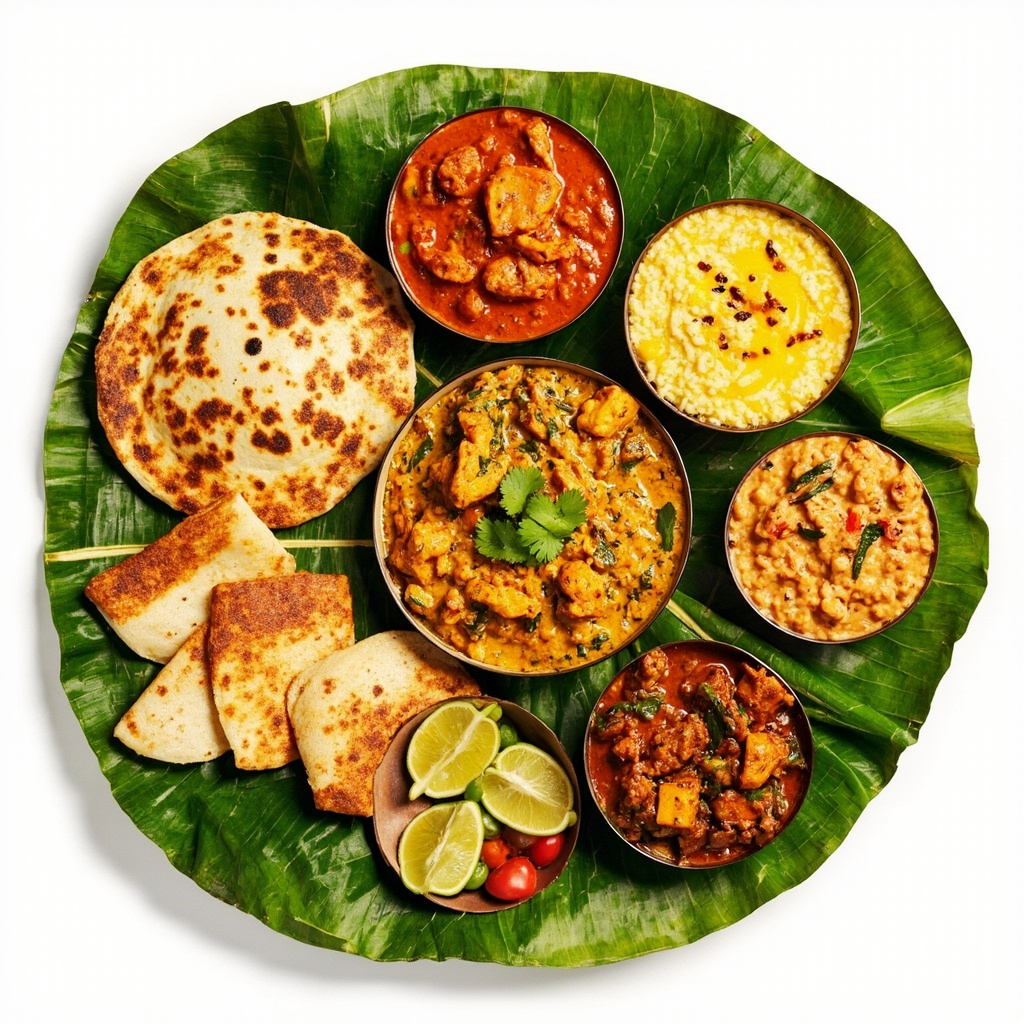
Regional Indian cuisine had its breakout moment at the 2026 James Beard Awards, with multiple Indian-origin chefs and restaurants earning finalist and semifinalist nominations across categories [1].
The January semifinalist announcement featured chefs whose work spans street food, regional cooking, and contemporary Indian fine dining [2]. By March, Forbes reported that the full finalist list included Indian restaurants recognized for live-fire techniques and regional specificity [3]. James Beard winner Meherwan Irani expanded his Botiwalla Indian street food concept to Raleigh, North Carolina, with a spring 2026 opening [4].
The trend extends well beyond awards season. The Mercury News flagged Indian cuisine as a top dining trend for 2026, noting that diners are seeking "spicy flavors and new takes on old favorites" [5]. Vijay Kumar, a James Beard-winning chef known for Tamil cuisine at Manhattan's Semma, has become a figurehead for the movement, proving that regional Indian food can command Michelin stars and critical acclaim.
Industry observers say the shift reflects a generational change in American dining. The era of generic "Indian food" is giving way to the specificity of Keralan seafood, Gujarati vegetarian traditions, and Hyderabadi biryani. What was once a niche interest has become the culinary mainstream.
For a cuisine that has long been underrepresented at the highest levels of American food culture, 2026 is the year the table was finally set.
-- Maya Calloway, New York
Sources & X Posts
News Sources