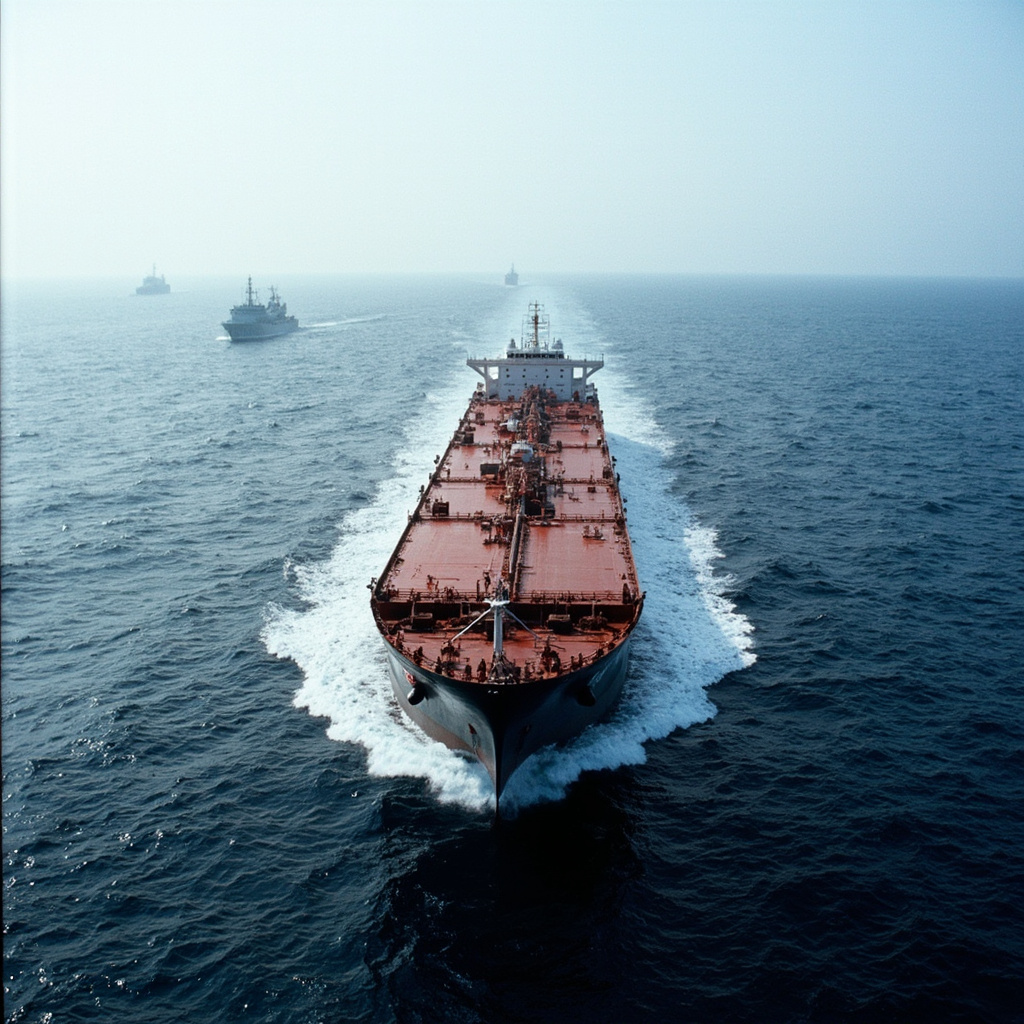
Iran has begun charging commercial vessels up to $2 million per voyage for passage through the Strait of Hormuz, effectively creating an informal toll on the world's most critical oil chokepoint [1].
The payments are being sought on an ad hoc basis, with some vessels already complying, according to Bloomberg reporting confirmed by Iranian lawmaker Alaeddin Boroujerdi [2]. The Strait handles roughly 20 percent of global oil transit, and the fees represent Tehran's attempt to monetize its geographic leverage amid the ongoing conflict with the United States and Israel.
Iranian lawmakers are now drafting legislation to formalize the transit fees, which would legally establish Iran's claimed authority over the waterway [3]. Marine Insight reported that the bill could be completed within days, potentially including navigation fees, pollution charges, and a "security tax" on top of the base transit charge.
Analysts have calculated that if applied broadly, such fees could generate up to $80 billion annually for Iran [4]. In practice, six nations have reportedly been granted passage exemptions, and enforcement remains inconsistent. Under international law, vessels are not required to pay, but the implicit threat of Iranian naval action in contested waters has convinced some operators to comply.
The fees are already being priced into global shipping rates, adding further upward pressure on consumer goods and energy costs worldwide.
-- Dara Osei, Dubai