TL;DR
Iran's post-speech missile escalation hit a Tel Aviv suburb with banned cluster warheads — fourteen wounded, including two infants and an 11-year-old girl in critical condition.
MSM Perspective
Times of Israel and JPost led with casualty figures; HRW confirmed the cluster munition type and called the strikes unlawful.
X Perspective
X divided sharply: Israeli accounts document the child casualties while anti-war accounts accuse Israel of using civilian harm to justify escalation.
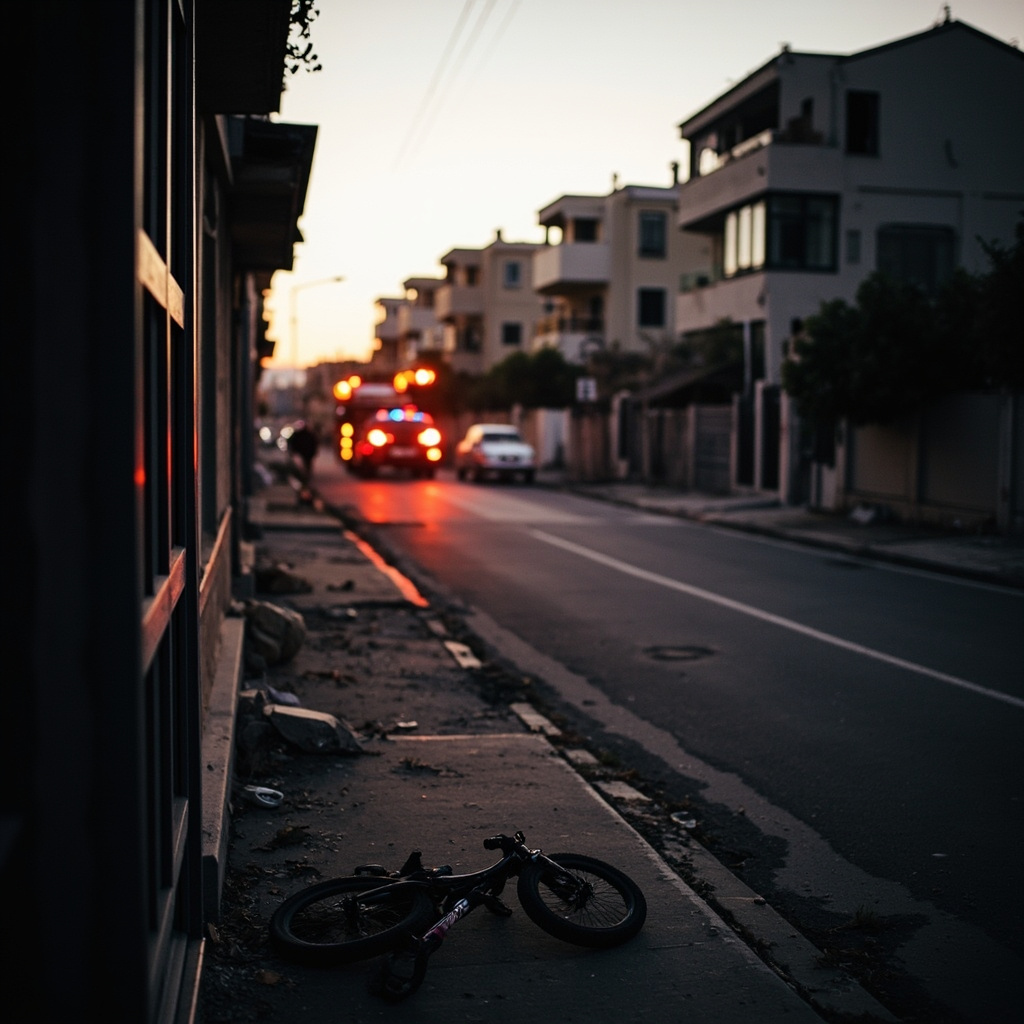
Four Iranian ballistic missile salvos struck central Israel between midnight and dawn on Wednesday, with at least one warhead deploying cluster munitions over Bnei Brak, the densely populated ultra-Orthodox suburb immediately east of Tel Aviv. Fourteen people were wounded. Two of them were babies [1].
Magen David Adom, Israel's emergency medical service, reported treating the wounded across multiple impact sites. The most severe casualty was an 11-year-old girl listed in critical condition after being struck by submunition fragments [2]. The two infants were among eight people wounded in a single cluster munition impact on a residential block. Reuters footage from the scene showed shattered windows, shrapnel-scarred walls, and a baby stroller covered in concrete dust [3].
Cluster munitions are weapons that open in mid-air and scatter smaller bomblets across a wide area. They are banned under the 2008 Convention on Cluster Munitions precisely because they cannot distinguish between combatants and civilians. Neither Iran nor Israel has signed that convention. But the laws of armed conflict, which bind all states regardless of treaty membership, prohibit inherently indiscriminate attacks on civilian areas [4].
Human Rights Watch confirmed in a March 29 report that Iran has repeatedly used cluster munitions delivered by ballistic missiles against Israeli population centers since the war began on February 28 [4]. The organization documented three separate cluster strikes and concluded they were "unlawful" under international humanitarian law. HRW's report noted that submunitions scattered across at least ten locations in the Bnei Brak and Petah Tikva area in a single earlier attack, with a failure rate that left unexploded bomblets on sidewalks and in residential courtyards [4].
Wednesday's salvos came hours after Trump's prime-time address in which he declared the campaign "nearing completion" and threatened to bomb Iran "back to the stone age" [5]. Iran's response was not rhetorical. The missile fire represented a pattern of post-speech escalation — Tehran answering American ultimatums with kinetic action aimed at Israel, the most politically sensitive target available.
The Jerusalem Post reported that the four salvos included a mix of ballistic missiles, with at least sixteen people wounded across central Israel when including those struck in adjacent municipalities [5]. The Times of Israel reported that emergency sirens sounded repeatedly across the greater Tel Aviv area, sending hundreds of thousands of residents into shelters in the pre-dawn hours [1].
The New Arab noted that Iran's state media made no mention of cluster munitions in its coverage of the strikes, instead describing the attacks as "precision retaliatory operations against military-adjacent infrastructure" [6]. This framing is contradicted by the impact locations: Bnei Brak is an entirely residential city with no military installations. Its population density — among the highest in the Middle East — makes it precisely the kind of environment where cluster munitions cause maximum civilian harm.
The Media Line, reporting from the scene, interviewed a father who had been holding his six-month-old daughter when fragments hit their apartment. "I heard the siren, I grabbed her, I ran to the shelter room. The window blew in behind us," he said. The infant was treated for cuts and released. His neighbor's child was not as fortunate [7].
The Israeli Foreign Ministry posted images from Bnei Brak on X, calling Iran's use of cluster munitions against civilian areas "a war crime" and demanding international condemnation [8]. The post was viewed over 12 million times within hours. Responses divided predictably: expressions of outrage at the targeting of children on one side, accusations that Israel's own conduct in Gaza and Lebanon forfeited its moral standing to invoke civilian protection norms on the other.
What is not debatable is what happened. Banned weapons fell on a city where people live. The fragments hit babies. That this is now a recurring event — Bnei Brak has been struck by cluster munitions at least three times since the war began — suggests not an accident of targeting but a pattern of indifference to who gets hit.
-- YOSEF STERN, Tel Aviv
Sources & X Posts
News Sources
X Posts