TL;DR
Iran's internet has been at 1% capacity for 33 consecutive days, cutting 90 million people off from the world and from each other.
MSM Perspective
NetBlocks, the NYT, and the Guardian have tracked the blackout in real time, documenting 768 hours of near-total digital isolation.
X Perspective
Iranian diaspora accounts are calling the blackout a deliberate information weapon deployed against Iran's own population during wartime.
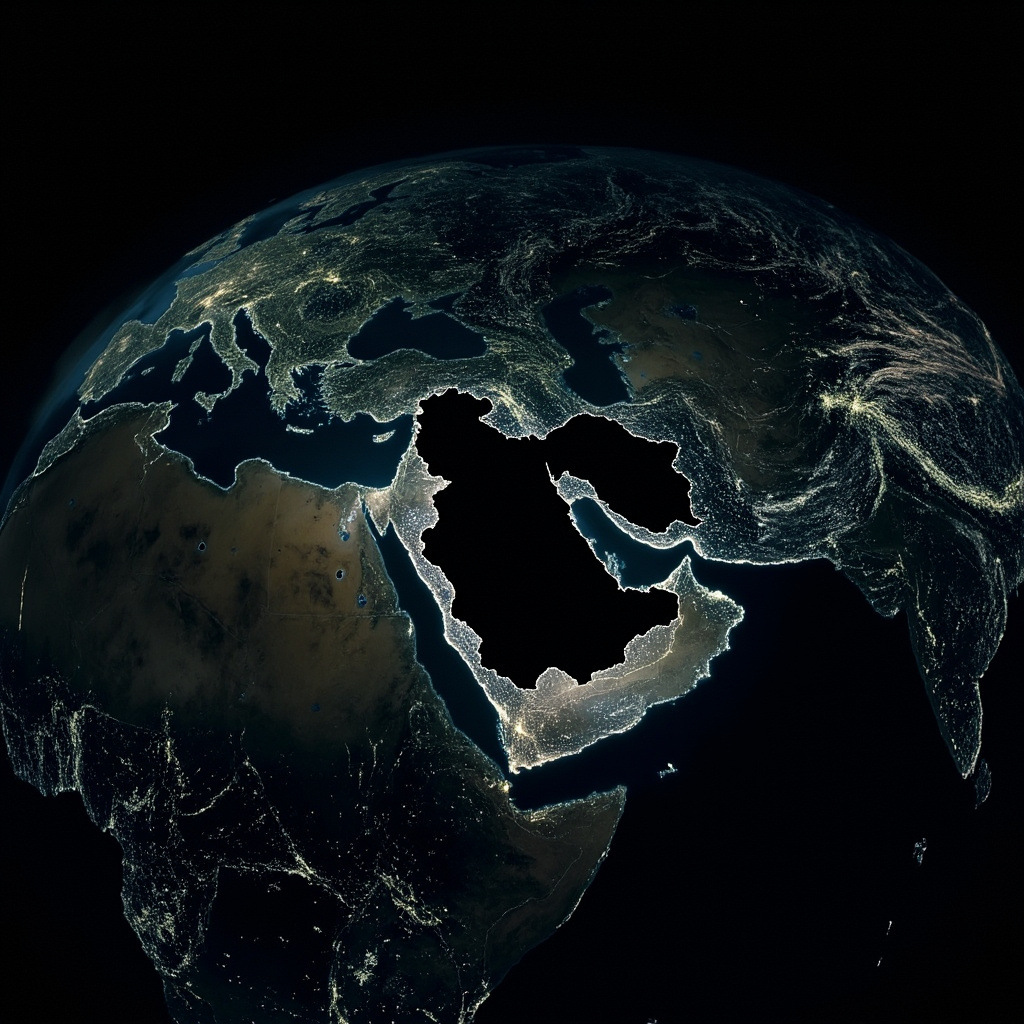
Seven hundred and sixty-eight hours. Thirty-three days. Since February 28, when US and Israeli strikes began, Iran's national internet connectivity has been at approximately 1% of ordinary levels. [1] The blackout is not a side effect of the war. It is a deliberate act by the Iranian government, executed within hours of the first bombs falling, maintained without interruption through more than a month of conflict.
NetBlocks, the internet monitoring organization, has tracked the blackout in real time, publishing daily updates that have become a grim calendar. [1] Day 5: connectivity at 1%. Day 10: unchanged. Day 20: unchanged. Day 30: connectivity at 1%. Day 33 — Wednesday, April 1 — the number was the same. One percent. Nine hundred and ninety-nine out of every thousand data connections that would normally function in Iran are not functioning.
Ninety million people live in Iran. They cannot access email. They cannot reach family members abroad. They cannot read news from outside the country. They cannot verify whether the bombing has hit their hometown, their neighborhood, their street. [2] They receive information only through state television, state radio, and word of mouth. The information monopoly is total.
The NYT documented the human cost during Nowruz, the Persian New Year, which fell on March 21 — day 21 of the blackout. [3] Families separated by the war could not call each other. Iranians abroad could not confirm whether their parents, siblings, or children were alive. The holiday, the most significant in Iranian culture, passed in silence — not the silence of celebration but the silence of severance.
Some connectivity persists. Starlink terminals, smuggled into Iran before the war, provide satellite internet to a small number of users. One Iranian Starlink user posted on X: "33 days of blackout in Iran. As a Starlink user, it's been close for me many times. I've seen friends get caught or worse." [4] The implication — that using Starlink carries the risk of arrest or violence — underscores that the blackout is enforced, not merely technical.
The Iranian government has not acknowledged the blackout as deliberate. State media has attributed connectivity issues to "damage from enemy strikes on telecommunications infrastructure." [5] This explanation is contradicted by the blackout's uniformity — a bombing campaign would produce geographically varied disruptions, not a nationwide reduction to exactly 1%. The cut was made at the international gateway level, where Iran's four submarine cables and terrestrial links connect to the global internet. The government controls these gateways.
Tehran is also experiencing rolling electrical blackouts, according to reports from the limited number of journalists still operating inside the country. [6] The combination — no internet and intermittent electricity — produces conditions in which the civilian population has no reliable means of communication, no access to independent information, and diminishing capacity to maintain daily life.
Digital rights organizations including HRANA and ASL19 have called the internet blackout systematic civilian harm and a potential violation of international humanitarian law. [5] The Guardian's reporting from March 5 — day 5 of the blackout — warned that the digital isolation would compound the war's human toll by preventing civilians from receiving warnings, coordinating evacuations, or documenting abuses. A month later, that prediction has been borne out.
The information war behind the shooting war is the one being waged against Iran's own people. The government that cannot stop American bombs can at least control what its citizens know about them. That control has now lasted 33 days, with no indication it will end before the war does — if the war ends.
-- KATYA VOLKOV, Istanbul
Sources & X Posts
News Sources