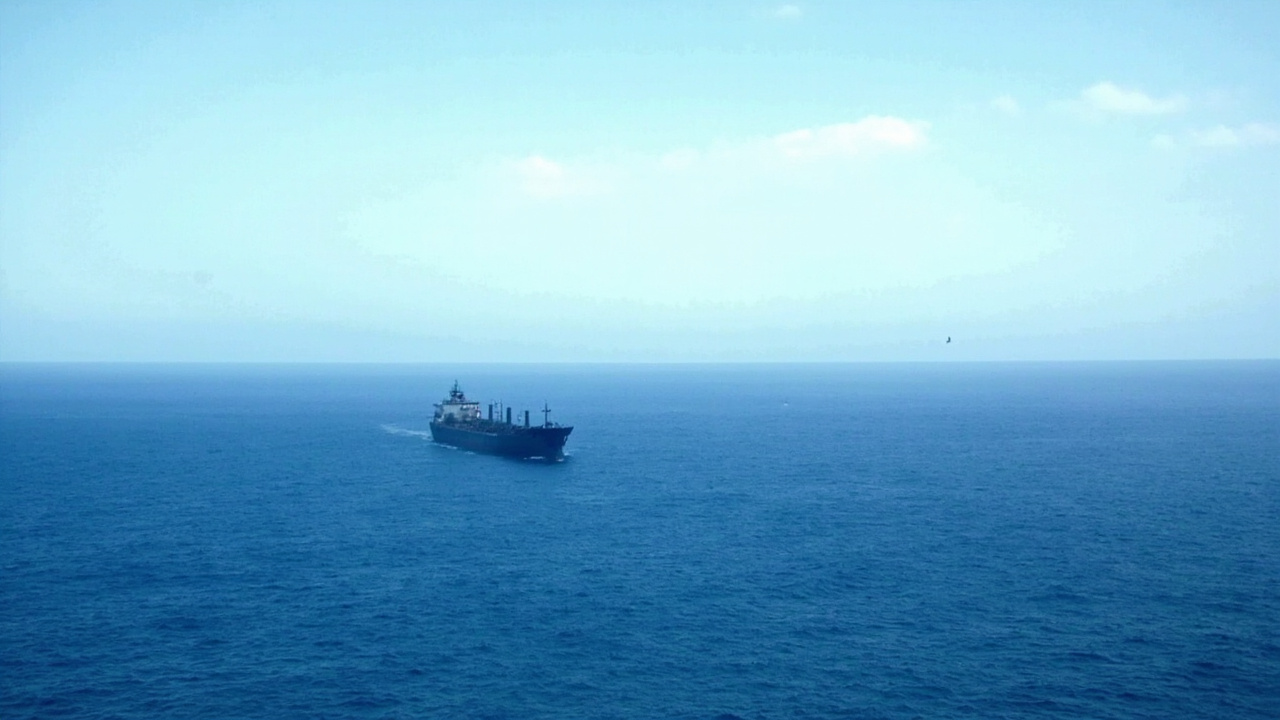
On March 20, Treasury Secretary Scott Bessent announced a 30-day sanctions waiver allowing the purchase of Iranian oil already at sea, promising to release "about 140 million barrels" into global markets and ease the war-driven price surge [1]. The waiver expires April 19. Fifteen days remain. The barrels have not materialized.
Iran snubbed the waiver immediately. Tehran's oil ministry said it had "no floating crude or surplus available for international markets" and dismissed the move as a "psychological exercise aimed at reassuring buyers" [2]. Goldman Sachs estimated that only 105 million barrels were actually at sea -- significantly below Bessent's figure [3]. Asian buyers, the intended market, remained wary. Energy Intelligence reported that few new purchasers had stepped forward, fearing secondary sanctions exposure once the 30-day window closes [4].
The waiver was the administration's clearest attempt to decouple the war from oil prices. Iran's refusal to cooperate with it -- while simultaneously blockading the Strait of Hormuz -- demonstrates that the belligerent controls the commodity, not the sanctioning power. April 19 approaches. The oil is still on the water, unsold.
-- DARA OSEI, London