TL;DR
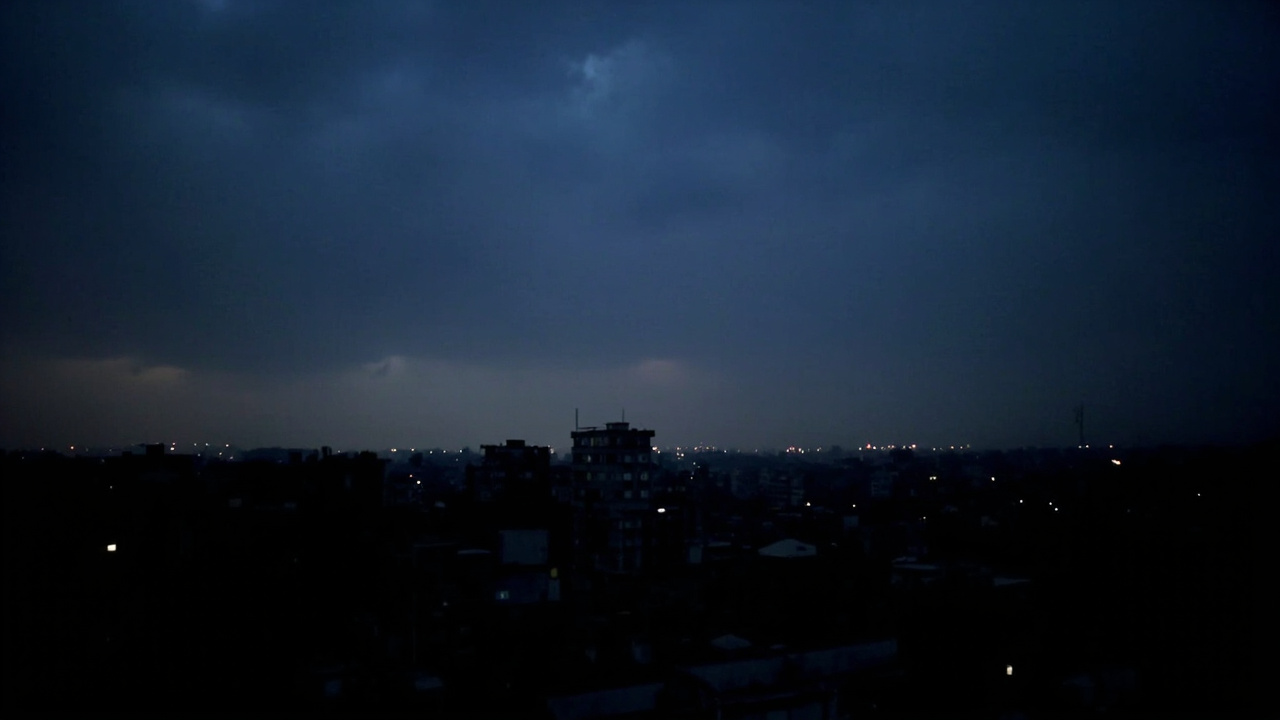
As Trump's 48-hour ultimatum to 'obliterate' Iran's power plants expires Monday, 90 million civilians face the prospect of life without electricity.
MSM Perspective
The NYT reports Tehran residents stockpiling candles and water as the Damavand plant, powering a third of the capital, becomes a military target.
X Perspective
Iranians on social media say Trump promised 'help was on the way' — now he threatens to bomb them into the Stone Age.
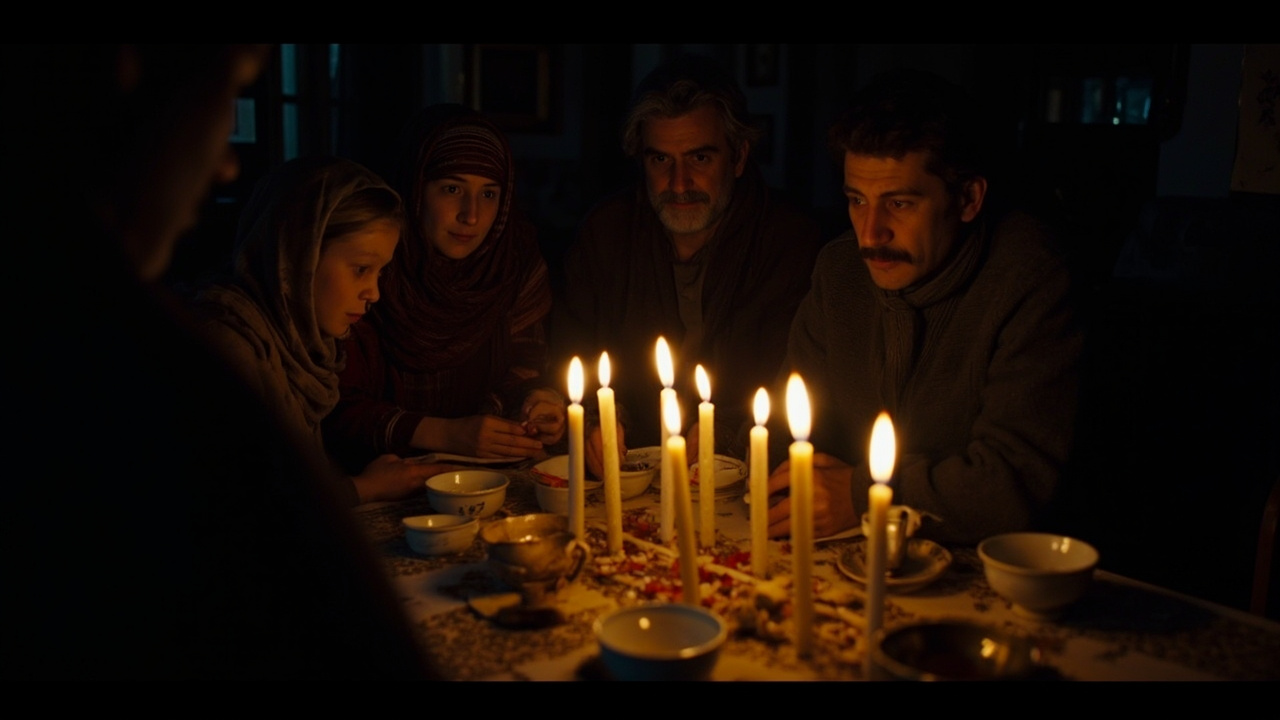
The kitchen table is set for Nowruz — the Persian New Year — but the meal is cold. Faranak, a 41-year-old lawyer in northern Tehran who asked that her surname not be used for fear of reprisal from both her own government and the bombs that may soon fall, prepared sabzi polo with herbs she bought three days ago, before the internet went dark again. The fish is from the freezer. She is not sure how long the freezer will run [1].
On Saturday night, Donald Trump gave Iran 48 hours to "fully open" the Strait of Hormuz or face the destruction of its energy infrastructure. "We will obliterate their power plants," the president posted on Truth Social, a threat that, if executed, would plunge a nation of 90 million people into what energy analysts describe as a humanitarian catastrophe without modern precedent [2].
The deadline expires just after 7:30 p.m. Eastern on Monday. In Tehran, that is 4 a.m. Tuesday — the dead of night.
Faranak keeps a flashlight on the table now. She has done so since March 1, when the first American strikes knocked out communications infrastructure across the country. What followed was a 23-day internet blackout — the longest in Iran's history — that cut off 90 million people during Nowruz, the most important holiday of the year. For over three weeks, Iranians could not call their families abroad, could not check bank accounts, could not read the news [3].
"We exist in a kind of fog," she said in a brief telephone interview conducted through a satellite phone borrowed from a neighbor who works for an international NGO. "The government tells us one thing. The Americans tell us another. We cannot verify anything. We are just waiting."
The Damavand thermal power plant, located in the foothills east of Tehran, provides roughly one-third of the capital's electricity. It powers the water-pumping stations, the hospitals, the metro system that moves millions of workers every day. It powers the ventilators in the neonatal wards at Milad Tower hospital. It powers the oxygen concentrators that keep elderly patients alive in the city's overwhelmed clinics. Trump's threat to "obliterate" power plants makes Damavand a target, and everyone in Tehran knows it [1][4].
"An attack on power plants will backfire," said Reza, a retired electrical engineer in his sixties who spent three decades maintaining substations across Tehran province. "You do not punish a regime by turning off a grandmother's refrigerator. You punish a people. The regime has generators. The people do not."
What makes the present moment so disorienting for ordinary Iranians is the whiplash. In the early days of the Trump administration's Iran policy, the president addressed the Iranian people directly, telling them in a video message that "help is on the way." Many took this as a promise of liberation — the overthrow of a theocratic government that had crushed the Woman, Life, Freedom movement, executed protesters, and maintained a surveillance state of extraordinary brutality [3].
Now the same president threatens to bomb their power plants.
"Life is becoming scarier every day," wrote one user on the brief windows when Telegram access flickered back to life in parts of Isfahan. The message, screenshotted and shared among diaspora networks, captured a sentiment that has no political home: the Iranians who despise their government but do not wish to be bombed; who wanted American help but not American bombs; who celebrated when the nuclear facilities were struck but recoil at the targeting of civilian infrastructure [3].
The distinction matters enormously. Striking the Fordow enrichment facility is, whatever one's position on the war, an attack on a military-nuclear target. Striking the Damavand power plant is an attack on the daily life of 10 million civilians. To treat them as equivalent is to abandon a principle that the laws of armed conflict were designed to protect [4].
Treasury Secretary Scott Bessent, appearing on Meet the Press Sunday morning, framed the calculus in transactional terms: "Fifty days of temporary elevated prices for 50 years of not having an Iranian regime with a nuclear weapon." But for Faranak and the millions like her, the question is not about 50 days of expensive gasoline in American suburbs. It is about whether her daughter's school will have electricity this week. It is about whether the insulin in her mother's refrigerator will spoil [2].
The Boston Herald reported earlier this month that Tehran residents had begun stockpiling candles, bottled water, and canned goods — the quiet preparations of people who have lived through enough crises to know that governments lie and wars escalate. One shopkeeper in the Vanak neighborhood told the paper, "We have survived revolution, war with Iraq, sanctions, and COVID. But this — losing power — this is different. Everything stops" [5].
There is a philosophical problem here that extends beyond the operational. When a government threatens to destroy another nation's civilian infrastructure as leverage in a military negotiation — open the strait or we turn off your lights — it transforms an entire population into hostages. The people of Tehran did not close the Strait of Hormuz. The Revolutionary Guard did. Yet it is the people of Tehran who will sit in darkness if the deadline passes [4].
Faranak understands this with a clarity that policy documents cannot capture. "They say they want to help us," she said. "But you do not help someone by burning down their house."
Monday night will come. The deadline will pass or it will not. The lights will stay on or they will not. Faranak has laid out candles beside the Nowruz table, the haft-sin arrangement her mother taught her to prepare — the seven symbolic items representing rebirth, patience, love, beauty, sunrise, health, and prosperity. The candles were always part of the tradition. They were never supposed to be the only source of light.
-- ANNA WEBER, Berlin
Sources & X Posts
News Sources
X Posts